
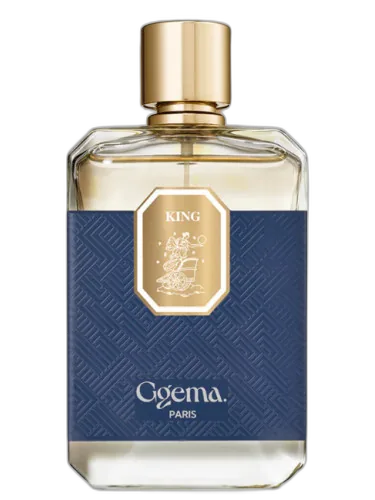

King Ggema
At a glance
Is King Ggema worth trying?
King by Ggema is a Woody fragrance for men.
- Best match
- Evening wear in Fall
- Performance feel
- Very Good longevity with Strong sillage
- Signature profile
- woody, fresh spicy, aromatic with Allspice, Red Berries, Sicilian Bergamot
The first impression
King by Ggema is a Woody fragrance for men. This is a new fragrance. King was launched in 2023. The nose behind this fragrance is Shyamala Maisondieu. Top notes are Allspice, Red Berries and Sicilian Bergamot; middle notes are Pine, Ylang-Ylang and Ginger; base notes are Cedar, Clary Sage and Sandalwood.
What shapes the scent
The perfumer behind it

Shyamala Maisondieu
Shyamala Maisondieu is a French perfumer known for her work with brands like 27 87, Carner Barcelona, and Aquolina. She trained at Givaudan and has created fragrances that often blend natural and synthetic elements. Her compositions for Carner Barcelona, including Besos and Costarela, showcase her ability to craft both fresh and warm scents. Maisondieu's style is versatile, ranging from playful to sophisticated.
Notes pyramid
Top Notes
First impression · 15-30 min
 Allspice
 Red Berries
 Sicilian Bergamot
Heart Notes
Core character · 2-4 hours
Pine
 Ylang-Ylang
 Ginger
Base Notes
Lasting impression · 4+ hours
 Cedar
Cedar
 Clary Sage
 Sandalwood
The mood it creates
The Alchemist Archetype: Portrait of King Ggema
Essence
The person who cherishes King Ggema as their signature fragrance is governed by the Ruler archetype, a figure who commands presence, exudes authority, and seeks to impose order upon their world. They are not merely content with influence-they crave mastery, not just over their environment but over themselves. The Ruler’s essence is control, refinement, and an unshakable belief in their vision. Yet, like all archetypes, this one casts a shadow-rigidity, a hunger for dominance, and the peril of isolation.
Shadow
Yet power, when left unchecked, corrupts even the noblest ruler. Their greatest flaw is inflexibility. They mistake control for wisdom, and when challenged, they may respond not with reason but with force. Their disdain for weakness can curdle into contempt. They may isolate themselves, not out of arrogance, but because they cannot tolerate mediocrity-and in doing so, they forget that even kings need allies.
Their relationships suffer when their need for dominance overshadows empathy. They may demand loyalty without earning it, or mistake fear for respect. The shadow Ruler is a lonely figure, sitting atop a self-made throne, wondering why no one dares approach.
Conclusion
Their tastes are deliberate, never accidental. They favor the bold-dark, polished woods, rich leather, and the faintest metallic sharpness, much like King Ggema itself. Their wardrobe is a study in precision: tailored suits, structured silhouettes, fabrics that whisper rather than shout. They do not follow trends; they set them. In art, they are drawn to the Renaissance masters-Michelangelo’s David, not for its beauty alone, but for its assertion of human potential. In music, they prefer compositions that build toward a crescendo-Wagner’s operas, the controlled chaos of Beethoven’s later works.
Their philosophy is one of imposed harmony. They believe the world is unruly by nature and that it is the duty of the strong to shape it. They do not trust chaos, nor do they romanticize spontaneity. Freedom, to them, is not the absence of structure but the power to define it. They quote Marcus Aurelius but live by Machiavelli-not out of cruelty, but pragmatism.
If you like this, try these
Fragrances with a comparable profile - shared accords, notes, and character.
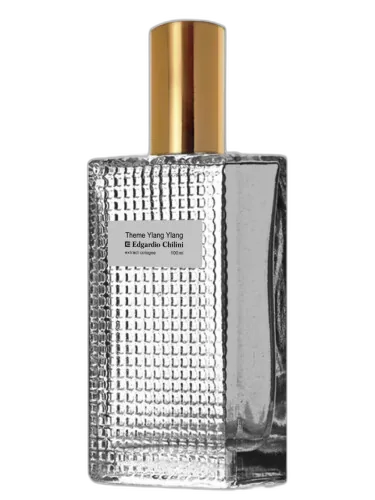
Edgardio Chilini
Theme Ylang-ylang Edgardio Chilini
Shared heart notes: ylang-ylang
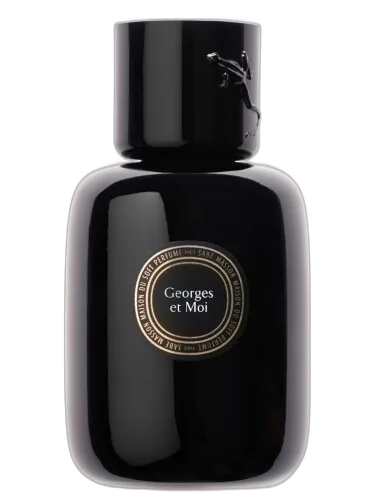
Sabe Masson
Georges Et Moi Skincare Eau De Parfum Sabe Masson
Shared heart notes: ginger, ylang-ylang
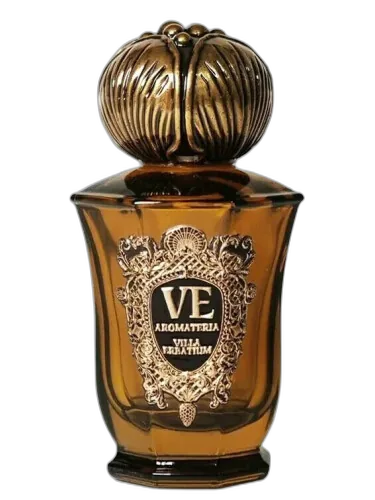
Villa Erbatium
Galleria Villa Erbatium
Shared base notes: cedar, sandalwood
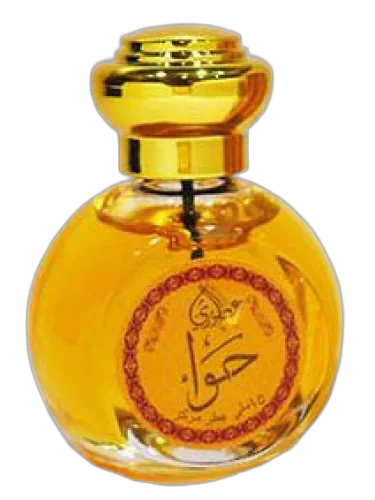
Otoori
Hawwa Otoori
Shared heart notes: ylang-ylang
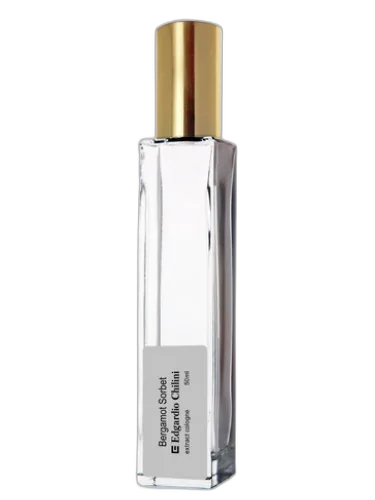
Edgardio Chilini
Bergamot Sorbet Edgardio Chilini
Shared heart notes: ginger