


Stereope Giardino Benessere
At a glance
Is Stereope Giardino Benessere worth trying?
Stereope by Giardino Benessere is a fragrance for women and men.
- Best match
- Casual wear in Spring
- Performance feel
- Good longevity with Moderate sillage
- Signature profile
- citrus, aromatic, warm spicy with Grapefruit, Lemon, Brazilian Orange
The first impression
Stereope by Giardino Benessere is a fragrance for women and men. This is a new fragrance. Stereope was launched in 2022. The nose behind this fragrance is Paolo Terenzi. Top notes are Grapefruit, Lemon, Brazilian Orange, Calabrian bergamot, Mandarin Orange, Juniper Berries and Teak Wood; middle notes are Ginger, Artemisia, Clary Sage, Guatemalan Cardamom and Coriander; base notes are Musk, Madagascar Vanilla, Cambodian Oud and Singapore Patchouli.
What shapes the scent
The perfumer behind it

Paolo Terenzi
Paolo Terenzi is a perfumer known for his work with Antonio Croce, creating a range of fragrances including Ardente, Incantevole, Meraviglia, Perfetta, Sofisticata, Straordinaria, and Unica. He also composed 1+7 Extrait De Parfum for D'OTTO. Terenzi's style is characterized by bold, opulent compositions that often feature rich florals and warm resins.
Notes pyramid
Top Notes
First impression · 15-30 min
 Grapefruit
 Lemon
Lemon
 Brazilian Orange
Calabrian bergamot
Brazilian Orange
Calabrian bergamot
 Mandarin Orange
Juniper Berries
Mandarin Orange
Juniper Berries
 Teak Wood
Heart Notes
Core character · 2-4 hours
 Ginger
 Artemisia
 Clary Sage
Guatemalan Cardamom
Clary Sage
Guatemalan Cardamom
 Coriander
Base Notes
Lasting impression · 4+ hours
 Musk
Madagascar Vanilla
Musk
Madagascar Vanilla
 Cambodian Oud
Singapore Patchouli
Cambodian Oud
Singapore Patchouli
The mood it creates
The Lover Archetype: Portrait of Stereope Giardino Benessere
Essence
This person is most closely aligned with the Sage archetype, though not in its traditional, austere form. Their wisdom is not cold or detached but rather a living, breathing philosophy-one that seeks harmony between intellect and sensation. They are drawn to the fragrance of Stereope Giardino Benessere because it embodies a sanctuary, a verdant retreat where the mind and senses merge. The scent’s green, herbal freshness speaks to their need for clarity, while its subtle floral warmth reveals their softer, more contemplative side.
They are not merely an observer of life but a cultivator-someone who tends to their inner garden with the same care they would give to a physical one. Their wisdom is not found in dusty tomes but in the quiet moments of connection-with nature, with art, with the people they cherish.
Shadow
Yet, their love of serenity can become a cage. Their need for equilibrium sometimes leads to emotional detachment, a reluctance to engage with turbulence even when it is necessary. They may rationalize avoidance as wisdom, refusing to dirty their hands in the mess of conflict.
Similarly, their preference for contemplation can tip into indecision. They weigh every angle so carefully that they sometimes fail to act at all. Life demands movement, yet they linger in the safety of their garden, mistaking hesitation for prudence.
Conclusion
Their tastes are refined but never ostentatious. They prefer understated elegance-linen clothing that breathes, ceramics with organic imperfections, spaces filled with natural light and the quiet hum of life. Their home is not a showpiece but a living ecosystem: books on botany and philosophy sit beside well-worn sketchbooks, dried flowers press between pages, and the scent of fresh herbs lingers in the air.
Philosophically, they reject extremes. They are neither ascetic nor hedonistic but seek a middle path where pleasure and discipline coexist. They believe in the intelligence of the body, the wisdom of the senses, and the necessity of stillness in a world that prizes relentless motion.
In relationships, they are steady but not passive. They do not chase intensity but instead nurture bonds that grow slowly, like vines winding around a trellis. Their love is patient, their loyalty deep, but they demand reciprocity-not in grand gestures, but in the quiet exchange of understanding.
If you like this, try these
Fragrances with a comparable profile - shared accords, notes, and character.

Natura
Homem Especiarias Natura
Shared top notes: grapefruit, lemon, mandarin orange

M.INT
Gravitation M.int
Shared top notes: grapefruit, mandarin orange

O Boticário
Arbo O Boticário
Shared top notes: grapefruit, mandarin orange
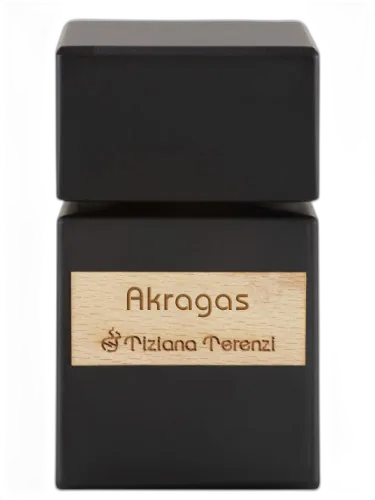
Tiziana Terenzi
Akragas Tiziana Terenzi
Shared top notes: grapefruit

Mes Bisous
A Wondrous Flight Mes Bisous
Shared top notes: grapefruit, lemon, mandarin orange