


Armani Code Giorgio Armani
Fragrance Story
Armani Code by Giorgio Armani is a Oriental Spicy fragrance for men. Armani Code was launched in 2004. The nose behind this fragrance is Antoine Lie. Top notes are Lemon and Bergamot; middle notes are Star Anise, Olive Blossom and Guaiac Wood; base notes are Leather, Tonka Bean and Tobacco. This perfume is the winner of award FiFi Award Fragrance Of The Year Men`s Luxe 2006.
Composition Profile
About the Perfumer

Antoine Lie
Antoine Lie is a French perfumer trained at Givaudan and known for his work with brands like Burberry and Avon. His style often blends bold contrasts, pairing fresh or woody accords with unexpected gourmand or metallic touches. He created the earthy, resinous Sequoia for Abbott New York City and the spicy, incense-laced Sword for CZAR, showcasing his skill with complex, atmospheric compositions.
Fragrance Notes
Top Notes
First impression · 15-30 min
 Lemon
Lemon
 Bergamot
Heart Notes
Core character · 2-4 hours
 Star Anise
 Olive Blossom
 Guaiac Wood
Base Notes
Lasting impression · 4+ hours
 Leather
 Tonka Bean
 Tobacco
Armani Code Giorgio Armani by Giorgio Armani offers a distinctive olfactory experience that stands out from other fragrances in its category.
Crafted with the finest ingredients and a blend of traditional and modern perfumery techniques, this fragrance represents the pinnacle of the perfumer's art.
Armani Code Giorgio Armani embodies the distinctive style of Giorgio Armani while adding a unique chapter to their fragrance portfolio.
Character Profile
The Lover Archetype: Portrait of Armani Code Giorgio Armani
Essence
To wear Armani Code is to embrace the art of allure-not as mere vanity, but as a philosophy. This fragrance, with its warm blend of bergamot, orange blossom, and tonka bean, is an olfactory declaration of sophistication and magnetism. The person who chooses it is no stranger to the power of presence; they move through the world with deliberate grace, understanding that beauty is not accidental but cultivated.
They are, at their core, an embodiment of The Lover archetype-one who seeks connection, pleasure, and the sublime in all things. For them, life is not merely to be endured but to be savored, touched, and tasted. Their senses are finely tuned instruments, and they wield them with precision.
Relationships
To others, they are magnetic, often effortlessly drawing people near. Their charm is not manipulative but instinctive-a natural extension of their appreciation for human connection. They value intimacy deeply, though they may struggle with its fleeting nature. Romantic partners are drawn to their intensity, their ability to make even mundane moments feel charged with meaning.
Yet here lies their shadow: the fear of being ordinary. The Lover thrives on being desired, and without that reflection, they may question their worth. Their relationships can become performances, their authenticity buried beneath the need to enchant. When love fades or attention wanes, they may grasp at reinvention, chasing the next intoxicating encounter rather than confronting the void beneath.
Shadow
Their greatest strength-their ability to captivate-can also be their undoing. In their pursuit of beauty, they risk becoming superficial, mistaking admiration for fulfillment. They may grow impatient with the mundane, dismissing anything that fails to stir their passions. The shadow whispers: "If you are not desired, do you exist?"
At their worst, they may manipulate affections, not out of malice, but from an unconscious belief that love must be won, never freely given. They may also struggle with commitment, fearing that depth will dull the sparkle of initial infatuation.
Conclusion
Their tastes are curated, never haphazard. They prefer the smooth glide of silk against skin, the weight of a well-crafted watch, the muted glow of candlelight over harsh fluorescents. Their wardrobe is a study in controlled elegance: tailored blazers, fitted dresses, fabrics that whisper rather than shout. They do not chase trends but instead refine their aesthetic into something timeless.
In philosophy, they lean toward hedonism-not in the reckless sense, but in the belief that pleasure, when pursued with intelligence, elevates existence. They might quote Epicurus: "Not what we have, but what we enjoy, constitutes our abundance." Yet theirs is a disciplined indulgence; they know excess dulls the senses, and so they measure their delights carefully.
Similar Fragrances
Fragrances with a comparable profile - shared accords, notes, and character.
Giorgio Armani
Armani Code Giorgio Armani
Shared accords: animalic, anis, aromatic
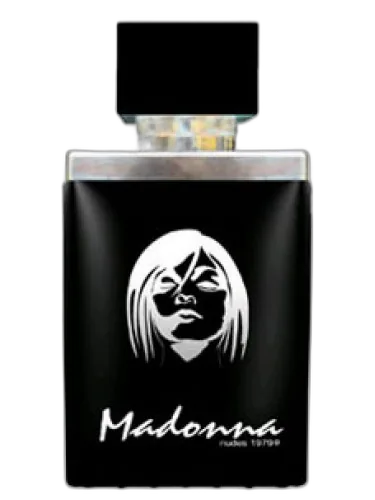
Madonna Nudes 1979
Pour Homme Madonna Nudes 1979
Shared accords: anis, aromatic, citrus

Paris Elysees
Black Caviar Paris Elysees
Shared accords: anis, aromatic, citrus

Giorgio Armani
Armani Code Golden Edition Giorgio Armani
Shared accords: animalic, aromatic, citrus
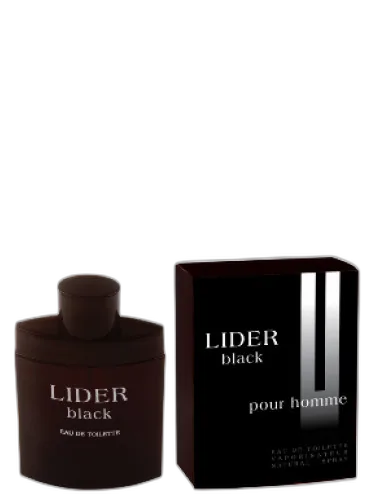
Christine Lavoisier Parfums
Lider Black Christine Lavoisier Parfums
Shared accords: anis, aromatic, citrus