
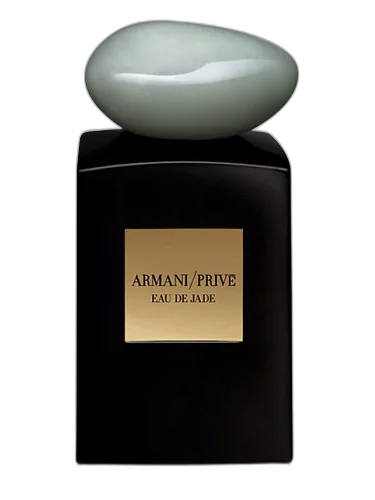
Eau De Jade Giorgio Armani
At a glance
Is Eau De Jade Giorgio Armani worth trying?
Eau de Jade by Giorgio Armani is a Citrus Aromatic fragrance for women and men.
- Best match
- Casual wear in Spring, Summer
- Performance feel
- Moderate longevity with Moderate sillage
- Signature profile
- citrus, fresh spicy, musky with Bergamot, Tunisian Neroli, Musk
The first impression
Eau de Jade by Giorgio Armani is a Citrus Aromatic fragrance for women and men. Eau de Jade was launched in 2004. The nose behind this fragrance is Antoine Maisondieu. This perfume is the winner of 3 awards: FiFi Award Fragrance Of The Year Men`s Nouveau Niche 2006, FiFi Award Best Packaging Women`s Prestige 2006 and FiFi Award Best Packaging Men`s Prestige 2006.
What shapes the scent
The perfumer behind it

Antoine Maisondieu
Antoine Maisondieu is a French perfumer and a senior vice president at Givaudan, where he has worked for decades. He is known for creating refined, modern compositions that balance natural elegance with subtle complexity. His work includes the woody, leathery Bottega Veneta Pour Homme and the fresh, floral Acqua di Parma Magnolia Nobile.
Notes pyramid
All Notes
Complete scent profile
 Bergamot
 Tunisian Neroli
 Musk
Musk
 Pepper
The mood it creates
The Sage Archetype: Portrait of Eau De Jade Giorgio Armani
Essence
Archetype: The Sage
The person who chooses Eau de Jade Giorgio Armani as their signature scent is, at their core, a modern embodiment of the Sage-an archetype defined by wisdom, discernment, and a quiet but unshakable confidence. This fragrance, with its crisp green freshness softened by warm, woody undertones, mirrors their personality: refined yet grounded, intellectual yet sensual. They are not merely intelligent but perceptive, seeing patterns and truths that others overlook. Their mind is their greatest asset, and they wield it with precision.
Shadow
Yet wisdom has its pitfalls. The Sage’s greatest strength-their ability to observe, analyze, and remain above emotional turbulence-can also be their flaw. At times, they withdraw too far into their own mind, becoming emotionally distant. Their sharp discernment can curdle into judgment, a silent condescension toward those they deem less thoughtful.
They may struggle with spontaneity, overthinking even simple decisions. Their pursuit of perfection can paralyze them, making them hesitant to act unless conditions are ideal. And while they pride themselves on rationality, they are not immune to pride-the quiet, corrosive belief that they are right, that their way of seeing the world is superior.
Conclusion
Their tastes are deliberate, never accidental. They prefer clean lines in design, favoring minimalist architecture and understated luxury. Their wardrobe is a study in restraint-tailored silhouettes, muted tones, fabrics that feel as good as they look. They appreciate craftsmanship, whether in a well-bound book, a perfectly brewed cup of tea, or the deliberate silence between meaningful words.
Philosophically, they are drawn to systems of thought that prize clarity-stoicism, Zen Buddhism, or the structured logic of classical philosophy. They do not chase trends but instead seek enduring truths. Their values revolve around authenticity, knowledge, and self-mastery. They despise pretense, though this can sometimes manifest as impatience with those who lack intellectual rigor.
If you like this, try these
Fragrances with a comparable profile - shared accords, notes, and character.
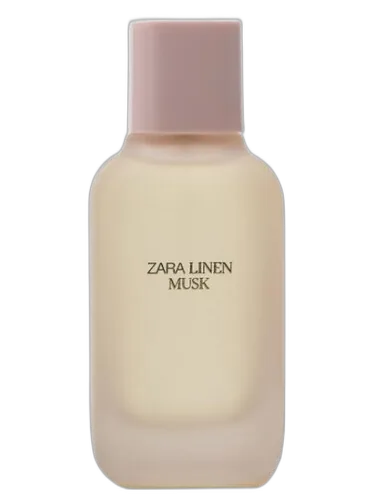
Zara
Linen Musk Zara
Shared top notes: bergamot, musk
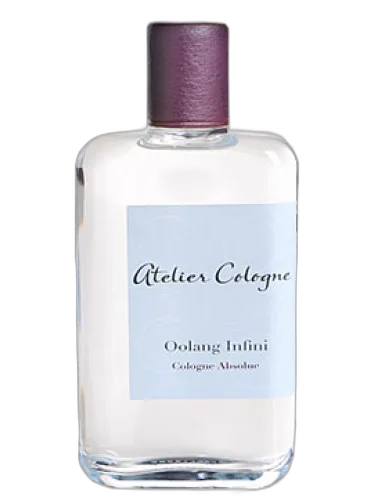
Atelier Cologne
Oolang Infini Atelier Cologne
Shared top notes: bergamot, tunisian neroli
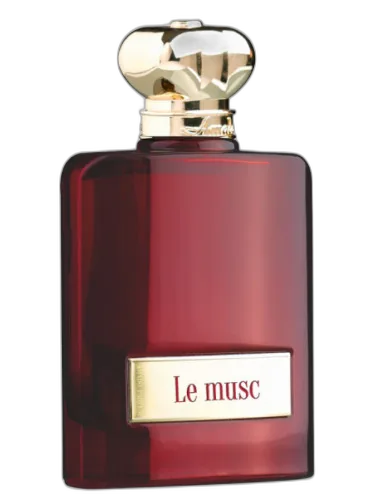
Amado
Le Musc Amado
Shared top notes: bergamot, musk
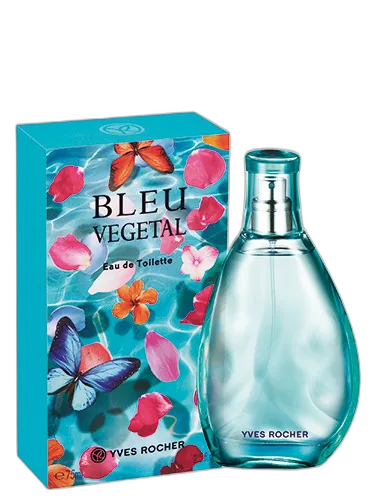
Yves Rocher
Bleu Végétal Yves Rocher
Shared top notes: bergamot
Gucci
Winter's Spring Eau De Parfum Gucci
Shared top notes: musk, pepper