
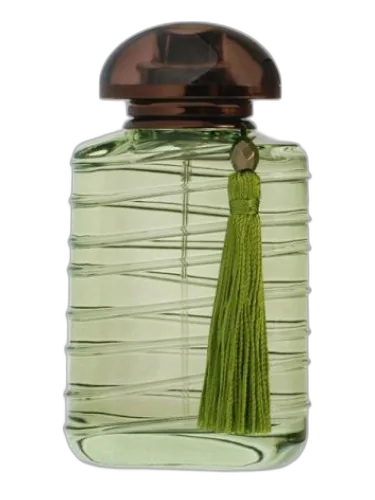

Onde Extase Giorgio Armani
At a glance
Is Onde Extase Giorgio Armani worth trying?
Onde Extase by Giorgio Armani is a Oriental Floral fragrance for women.
- Best match
- Evening wear in Spring, Fall
- Performance feel
- Good longevity with Moderate sillage
- Signature profile
- yellow floral, woody, powdery with Mimosa, Narcissus, Sesame
The first impression
Onde Extase by Giorgio Armani is a Oriental Floral fragrance for women. Onde Extase was launched in 2008. The nose behind this fragrance is Bruno Jovanovic.
What shapes the scent
The perfumer behind it

Bruno Jovanovic
Bruno Jovanovic is a versatile perfumer whose work spans multiple brands, including A Lab on Fire, Abercrombie & Fitch, Al-Jazeera Perfumes, Amouage, Avon, and Awshal. His catalog features Almost Transparent Blue, Fierce, 380, Moscow, Opus Xii - Rose Incense, The Library Collection Rose Incense, Crystal Aura, and Perles De Myrrhe. Jovanovic's compositions range from fresh and sporty to rich and incense-laden, demonstrating his broad expertise.
Notes pyramid
All Notes
Complete scent profile
 Mimosa
 Narcissus
 Sesame
 Cedar
Cedar
 Jasmine
 Oakmoss
 Pink Pepper
 Bergamot
The mood it creates
The Lover Archetype: Portrait of Onde Extase Giorgio Armani
Essence
Onde Extase by Giorgio Armani is a scent of paradox-both delicate and intoxicating, luminous yet mysterious. It opens with sparkling bergamot, softens into a heart of jasmine and orange blossom, and settles into a warm, velvety base of vanilla and amber. It is not a fragrance for those who seek to dominate a room, but rather for those who wish to be remembered-like the lingering trace of a dream upon waking.
The person who chooses this fragrance is drawn to beauty in its most ephemeral forms. They are not merely a connoisseur of perfumes but a seeker of experiences that stir the soul. Their essence aligns with the Lover archetype, one who lives through the senses, who worships at the altars of passion, aesthetics, and deep emotional connection.
Style & Aesthetic
Their life is a carefully curated tapestry of beauty. They surround themselves with objects that evoke emotion-antique books with gilded edges, a single peony in a slender vase, the faint glow of candlelight against dark wood. Their style is elegant but never ostentatious; they prefer fabrics that whisper rather than shout-cashmere, silk, linen that drapes like liquid.
Philosophically, they reject the utilitarian in favor of the poetic. They believe life is meant to be felt, not merely endured. They are drawn to the writings of Rilke, the paintings of Klimt, the films of Wong Kar-wai-works that explore longing, sensuality, and the transient nature of beauty. They do not fear melancholy, for they understand that sorrow is the shadow cast by joy.
Relationships
They do not collect people; they cultivate intimacies. Their friendships are few but profound, built on shared vulnerability and mutual appreciation for the unspoken. In love, they are both tender and demanding-they crave a connection that transcends the physical, one that feels fated. Yet this idealism can be their undoing.
They are prone to romanticizing others, projecting their own depth onto those who may not possess it. When disillusioned, they retreat into solitude, nursing wounds with music, poetry, or long walks at dusk. Their shadow emerges here-an unwillingness to accept imperfection in love, a tendency to mourn what never was rather than embrace what is.
Shadow
The Lover’s greatest strength-their capacity for deep feeling-can also be their prison. Their pursuit of the sublime sometimes blinds them to the beauty of the ordinary. They may grow impatient with mundanity, dismissing practical concerns as beneath them. This can manifest as indecision (waiting for the "perfect" moment) or a quiet arrogance (believing their emotional depth makes them superior to those who live more simply).
At their worst, they risk becoming the tragic romantic-forever chasing an ideal that does not exist, leaving a trail of half-finished projects, unrequited loves, and a lingering sense of dissatisfaction.
Conclusion
The Lover must learn that ecstasy is not only found in the extraordinary but also in the acceptance of life’s imperfections. Their challenge is to balance their idealism with presence-to love the world as it is, not only as it could be. When they succeed, they become not just dreamers but alchemists, transforming the ordinary into the extraordinary through the sheer force of their perception.
They are the ones who remind us that life is not merely to be lived, but to be savored-one breath, one glance, one fleeting moment of beauty at a time.
If you like this, try these
Fragrances with a comparable profile - shared accords, notes, and character.
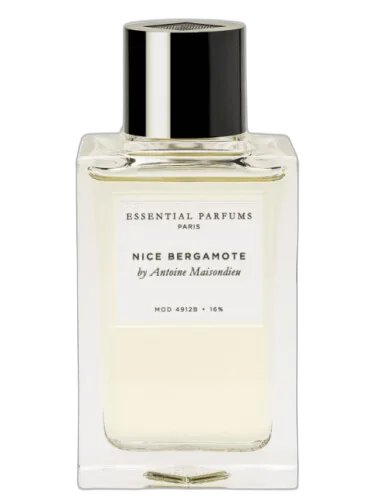
Essential Parfums
Nice Bergamote Essential Parfums
Shared top notes: bergamot, cedar, jasmine
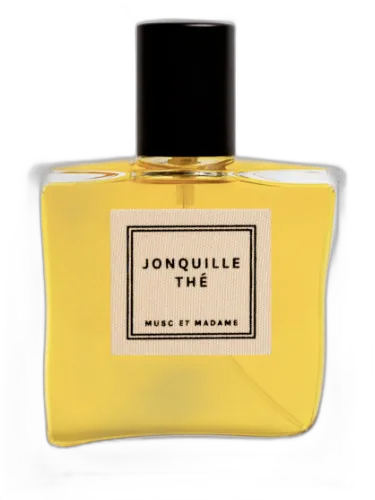
Musc et Madame
Jonquille Thé Musc Et Madame
Shared top notes: bergamot, jasmine, narcissus
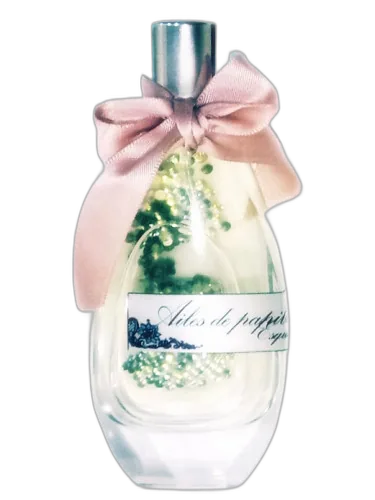
Esquisse Parfum
Ailes De Papillon Esquisse Parfum
Shared top notes: bergamot, jasmine
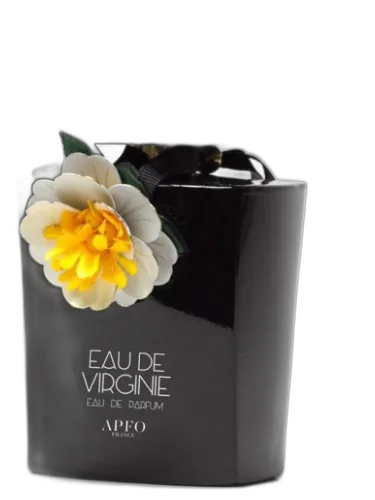
Au Pays de la Fleur d’Oranger
Eau De Virginie Au Pays De La Fleur D’oranger
Shared top notes: bergamot, pink pepper
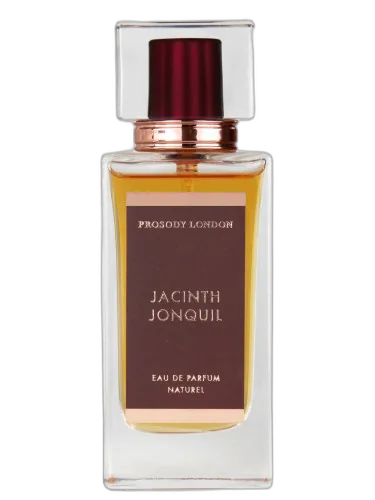
Prosody London
Jacinth Jonquil Prosody London
Shared top notes: bergamot, jasmine, narcissus