
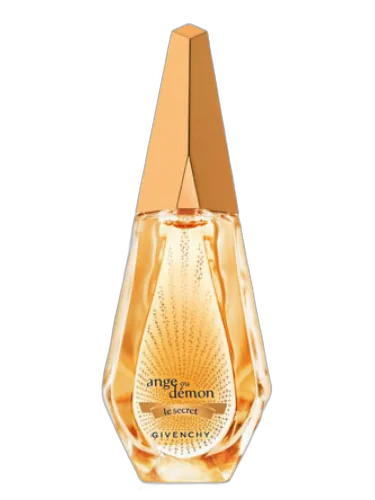
Ange Ou Demon Le Secret Poesie D’un Parfum D’hiver Givenchy
Fragrance Story
Ange ou Demon Le Secret Poesie d’un Parfum d’Hiver by Givenchy is a Floral Fruity Gourmand fragrance for women. Ange ou Demon Le Secret Poesie d’un Parfum d’Hiver was launched in 2011. Top notes are Candied Orange and Tea; middle notes are Gingerbread and Jasmine; base notes are Praline and Musk.
Composition Profile
About the Perfumer

Unknown Perfumer
Fragrance Notes
Top Notes
First impression · 15-30 min
 Candied Orange
 Tea
Tea
Heart Notes
Core character · 2-4 hours
 Gingerbread
 Jasmine
Base Notes
Lasting impression · 4+ hours
 Praline
 Musk
Musk
Ange Ou Demon Le Secret Poesie D’un Parfum D’hiver Givenchy by Givenchy offers a distinctive olfactory experience that stands out from other fragrances in its category.
Crafted with the finest ingredients and a blend of traditional and modern perfumery techniques, this fragrance represents the pinnacle of the perfumer's art.
Ange Ou Demon Le Secret Poesie D’un Parfum D’hiver Givenchy embodies the distinctive style of Givenchy while adding a unique chapter to their fragrance portfolio.
Character Profile
The Lover Archetype: Portrait of Ange Ou Demon Le Secret Poesie D’un Parfum D’hiver Givenchy
Essence
The person who chooses Ange Ou Demon Le Secret Poesie D’un Parfum D’hiver is not merely drawn to a fragrance-they are seduced by its paradox. This scent, with its duality of angelic lightness and dark, hypnotic warmth, mirrors their own nature. They are the Lover Archetype, one who seeks beauty, passion, and meaning in all things. Their existence is a dance between the ethereal and the sensual, between poetic idealism and the intoxicating pull of desire.
They are not content with the mundane. Life, to them, must be felt deeply-every moment an opportunity for enchantment, every encounter a potential romance (whether with a person, an idea, or an experience). Their philosophy is one of aesthetic hedonism: they believe in pleasure as a form of wisdom, in beauty as a kind of truth.
Style & Aesthetic
Their aesthetic is one of deliberate contradiction-soft yet sharp, delicate yet daring. They favor textures that beg to be touched: cashmere that whispers against the skin, silk that glides like a secret. Their wardrobe is a carefully curated collection of pieces that evoke both nostalgia and modernity-vintage lace paired with sleek leather, a tailored coat thrown over a flowing dress.
They are drawn to art that lingers in the liminal, the spaces between dream and reality. A painting by Klimt, a poem by Rilke, a film by Tarkovsky-these are the things that stir their soul. Music, too, is essential: the haunting melodies of Debussy, the smoldering intensity of Leonard Cohen, the hypnotic pulse of electronic ambient soundscapes.
They move through the world like a figure in a chiaroscuro painting-partly illuminated, partly in shadow. Their home is a sanctuary of sensory pleasures: candles that cast golden light, books with well-worn pages, a record player that spins vinyl late into the night. They are drawn to places that feel timeless-dimly lit jazz bars, misty gardens at dawn, old libraries where the air smells of leather and parchment.
Yet their life is not without struggle. Their sensitivity makes them vulnerable to the harshness of the world. They may oscillate between periods of radiant engagement and quiet withdrawal. At their worst, they can become the jaded aesthete, dismissing what they cannot idealize, or the escapist, losing themselves in fantasies rather than facing reality.
Philosophy & Values
They believe in the transformative power of love-not merely romantic love, but love as a force that shapes perception, that turns the ordinary into the extraordinary. To them, passion is not indulgence but a form of intelligence, a way of knowing the world more intimately.
Yet this devotion to beauty has its shadow. They can become lost in their own idealism, chasing an elusive perfection that does not exist. Disillusionment is their great fear, and when reality fails to match their dreams, they may retreat into melancholy or cynicism. Their love of intensity can also lead them into excess-emotional, sensual, or even intellectual.
Relationships
To know them is to be drawn into their orbit. They do not merely converse-they enchant. Their words are carefully chosen, their gaze lingering just long enough to suggest hidden depths. They crave connection that transcends the superficial, relationships that feel like shared secrets.
But their very magnetism can become a trap. They may idealize others, only to feel betrayed when those others prove human. Their need for depth can make them impatient with those who cannot match their emotional intensity. And their seductive nature, while not necessarily manipulative, can leave others uncertain of their true intentions-are they truly present, or merely in love with the idea of love?
Shadow
Their greatest strength-their capacity for deep feeling-is also their greatest peril. When their idealism curdles into disappointment, they may become possessive, melodramatic, or even cruel in their disillusionment. Their love of beauty can sour into vanity; their pursuit of pleasure can tip into self-destruction.
But if they learn to temper their intensity with wisdom, to embrace imperfection without despair, they become something rare: a true connoisseur of life, one who finds the divine not in perfection, but in the flawed, fleeting moments that make existence worth savoring.
In the end, they are neither fully angel nor demon-but something far more interesting: a soul who dares to live between the two.
Similar Fragrances
Fragrances with a comparable profile - shared accords, notes, and character.
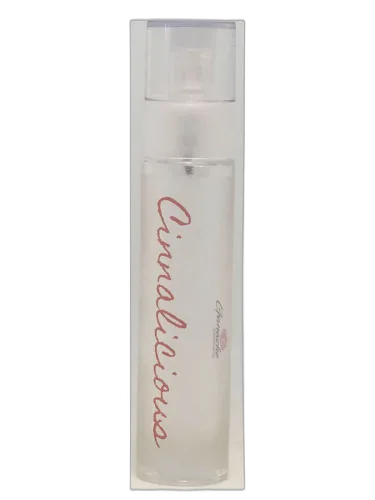
Ganache Parfums
Cinnalicious Ganache Parfums
Shared accords: cinnamon, lactonic, sweet

Nina Ricci
Les Belles De Ricci Delice D'epices Nina Ricci
Shared accords: cinnamon, citrus, sweet
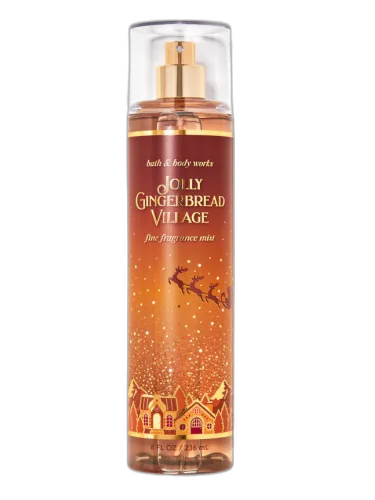
Bath & Body Works
Jolly Gingerbread Village Bath & Body Works
Shared accords: cinnamon, sweet, warm spicy

Land of Aahs
Cinnamon Rol Land Of Aahs
Shared accords: cinnamon, sweet, warm spicy
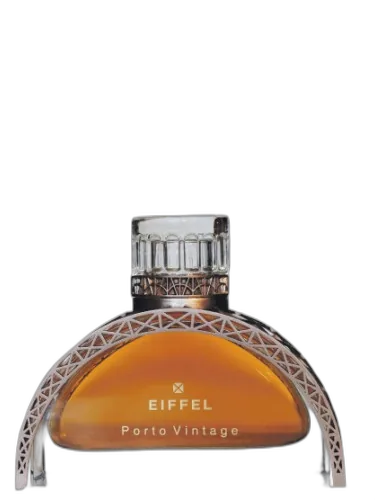
Gustave Eiffel
Porto Vintage Gustave Eiffel
Shared accords: cinnamon, citrus, sweet