
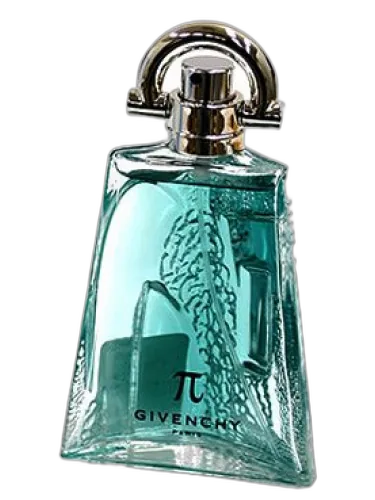
Pi Fraiche Givenchy
At a glance
Is Pi Fraiche Givenchy worth trying?
Pi Fraiche by Givenchy is a Woody Aromatic fragrance for men.
- Best match
- Casual wear in Summer
- Performance feel
- Moderate longevity with Moderate sillage
- Signature profile
- amber, citrus, woody with Bergamot, Sage, Grapefruit
The first impression
Pi Fraiche by Givenchy is a Woody Aromatic fragrance for men. Pi Fraiche was launched in 2001. The nose behind this fragrance is Alberto Morillas. Top notes are Bergamot, Sage, Grapefruit, Lemon and Tangerine; middle notes are Jasmine, Pine needles and Woody Notes; base notes are Benzoin, Amber and Sandalwood.
What shapes the scent
The perfumer behind it

Alberto Morillas
Alberto Morillas is a master perfumer based in Geneva, Switzerland, and a longtime collaborator with Firmenich. His style is known for refined, luminous compositions that balance natural elegance with modern clarity. He created the bold leather and spice of Amouage Opus VII - Reckless Leather, the fresh citrus depth of Acqua di Parma Colonia Intensa, and the woody warmth of Aedes de Venustas Palissandre D'or. His work has shaped contemporary perfumery across both niche and luxury houses.
Notes pyramid
Top Notes
First impression · 15-30 min
 Bergamot
 Sage
Sage
 Grapefruit
 Lemon
Lemon
 Tangerine
Heart Notes
Core character · 2-4 hours
 Jasmine
 Pine needles
 Woody Notes
Base Notes
Lasting impression · 4+ hours
 Benzoin
 Amber
Amber
 Sandalwood
The mood it creates
The Lover Archetype: Portrait of Pi Fraiche Givenchy
Essence
This person is, above all, a seeker of clarity. Their spirit aligns most closely with the Sage archetype-a figure who values knowledge, precision, and the refinement of thought. The Sage does not merely accumulate facts but distills wisdom from them, seeking to understand the underlying patterns of life. Pi Fraiche Givenchy, with its crisp citrus and woody warmth, mirrors this duality: it is both intellectual and sensual, sharp yet inviting. The fragrance is not loud, but it lingers-much like the presence of a person who speaks sparingly but with weight.
Philosophy & Values
They believe in self-mastery-not as a rigid discipline, but as an ongoing refinement of character. Their moral code is built on reason, fairness, and intellectual honesty. They despise dogma, preferring instead to test ideas against experience. Yet, they are not cynical; they retain a quiet optimism that understanding leads to growth.
Their lifestyle reflects this balance. They might practice yoga or meditation not for trendiness but for the clarity it brings. They enjoy fine food and wine, not for indulgence, but for the artistry behind them. Even their pleasures are examined, chosen with intention.
Relationships
They are not the life of the party, but they are the one people seek for counsel. Friends value their insight, though some may find them emotionally reserved. In love, they are slow to commit but fiercely loyal once they do. Their affection is shown in acts of service-remembering small preferences, offering well-considered advice-rather than grand gestures.
Yet, their shadow looms here too. Their reluctance to embrace chaos can make them seem distant. They must learn that love is not a problem to be solved but a force to be experienced.
Shadow
Yet, the Sage’s greatest strength is also their greatest weakness. Their pursuit of clarity can harden into intolerance for ambiguity. They may grow impatient with those who think in broad strokes rather than fine details, dismissing emotional reasoning as irrational. At their worst, they become coldly analytical, mistaking detachment for wisdom.
In relationships, this can manifest as a reluctance to surrender to spontaneity. They may overanalyze love, dissecting emotions until the warmth is gone. Their partners might admire their intellect but long for more uninhibited passion. The Sage must learn that not everything can-or should-be understood; some truths are felt, not proven.
Conclusion
The lover of Pi Fraiche Givenchy is, at heart, a student of life. They seek to understand, to refine, to elevate. Their flaw is the belief that all things can be perfected-when in truth, the most profound beauty often lies in imperfection. Yet, when they embrace this paradox, they become not just wise, but whole.
If you like this, try these
Fragrances with a comparable profile - shared accords, notes, and character.
Nikkos-Oskol Fragrance
И (i) Nikkos-oskol Fragrance
Shared top notes: bergamot, lemon
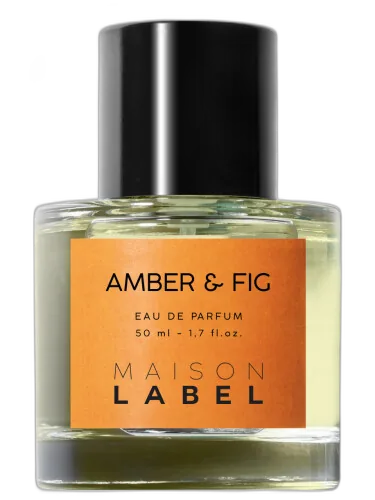
Maison Label
Amber & Fig Maison Label
Shared top notes: grapefruit, lemon
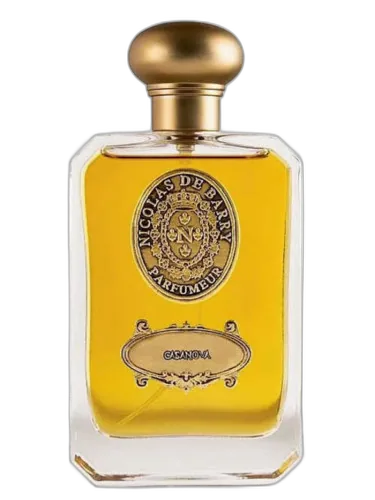
Maison Nicolas de Barry
Casanova Maison Nicolas De Barry
Shared top notes: bergamot, lemon
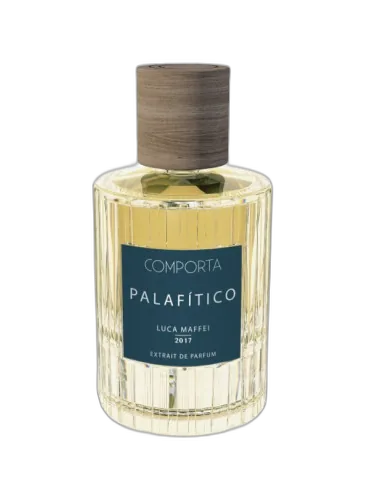
Comporta Perfumes
Palafítico Comporta Perfumes
Shared top notes: bergamot, grapefruit, lemon
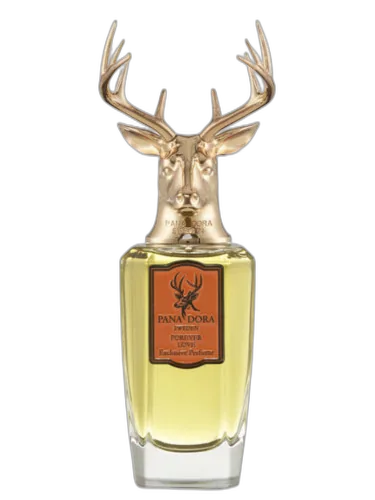
Pana Dora
Forever Love Pana Dora
Shared top notes: bergamot, grapefruit, lemon