
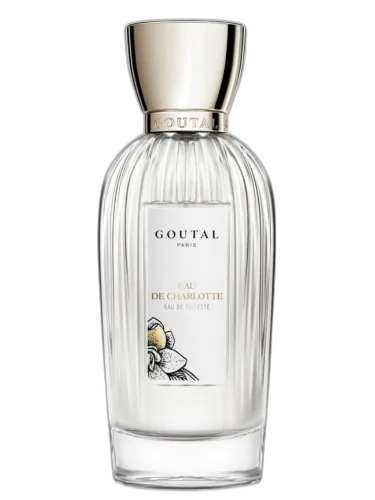

Eau De Charlotte Goutal
At a glance
Is Eau De Charlotte Goutal worth trying?
Eau De Charlotte by Goutal is a Floral Fruity Gourmand fragrance for women.
- Best match
- Evening wear in Spring
- Performance feel
- Moderate longevity with Moderate sillage
- Signature profile
- white floral, yellow floral, cacao with Lily, Mimosa, Lily-of-the-Valley
The first impression
Eau De Charlotte by Goutal is a Floral Fruity Gourmand fragrance for women. Eau De Charlotte was launched in 1982. The nose behind this fragrance is Annick Goutal. Top note is Lily; middle notes are Mimosa and Lily-of-the-Valley; base notes are Cacao and Vanilla.
What shapes the scent
The perfumer behind it

Annick Goutal
Annick Goutal began her career as a pianist and model before founding her eponymous perfume house in 1981, where she worked closely with her daughter Camille Goutal. Known for a natural, luminous style, her compositions often highlight a single note, as seen in the citrusy Eau d'Hadrien and the fresh, floral Eau de Camille. Her creations, including the romantic Ce Soir Ou Jamais and the gentle Eau de Charlotte, are celebrated for their elegant simplicity and emotional resonance, establishing a legacy of intimate, artisanal perfumery.
Notes pyramid
Top Notes
First impression · 15-30 min
 Lily
Lily
Heart Notes
Core character · 2-4 hours
 Mimosa
 Lily-of-the-Valley
Base Notes
Lasting impression · 4+ hours
 Cacao
Cacao
 Vanilla
The mood it creates
The Lover Archetype: Portrait of Eau De Charlotte Goutal
Essence
To wear Eau de Charlotte by Goutal is to embrace a fragrance that is at once delicate and assertive-rose and honey, tender yet unyielding. The person who chooses this scent is not one who seeks to dominate the room, but rather to enchant it. Their presence lingers like the perfume itself: soft but unforgettable, a whisper that carries weight.
At their core, this individual is defined by the Lover archetype, one who seeks beauty, connection, and sensory pleasure above all else. They are drawn to the romantic, the poetic, the things that stir the soul rather than merely satisfy the mind. Their life is an aesthetic pursuit, a quest to surround themselves with what is exquisite-whether in art, conversation, or human bonds.
Yet the Lover is not merely a passive admirer of beauty; they are an active participant in its creation. They curate their world with intention, rejecting the coarse and the mundane. Their tastes are refined, their sensibilities acute. But this very intensity of feeling also makes them vulnerable-to disillusionment, to heartache, to the shadow side of their own idealism.
Relationships
For them, love is not a transaction but an experience to be savored. They are drawn to people who possess a certain depth-those who can speak in glances, who understand the weight of silence. Their relationships are intense, sometimes to a fault. They do not love lightly, and when they do love, it is with a fierceness that can be overwhelming.
Yet this same intensity can become their undoing. They are prone to idealization, projecting their own romanticism onto others. When reality fails to match their vision, they may withdraw, nursing a quiet melancholy. Their shadow is the Disillusioned Romantic, one who, in protecting their heart, risks closing it off entirely.
Shadow
The Lover’s greatest strength-their capacity for deep feeling-is also their greatest vulnerability. They may struggle with aesthetic intolerance, a quiet disdain for what they perceive as vulgar or shallow. This can make them seem aloof, even elitist. Their pursuit of the sublime may blind them to the beauty in imperfection, in the raw and unrefined.
At their worst, they may retreat into a world of their own making, one so carefully curated that it becomes a gilded cage. They fear banality more than failure, and this fear can paralyze them-keeping them from taking risks, from embracing life’s messiness.
Conclusion
Yet when balanced, the Lover is a force of enchantment in the world. They remind others of the sacredness of small moments-the way light falls through a window, the warmth of a shared glance. They do not merely exist; they live, with a richness that borders on the poetic.
Their fragrance, Eau de Charlotte, is not an accident. It is a declaration: that life should be felt deeply, that beauty is not frivolous but essential. And though they may sometimes falter under the weight of their own sensitivity, they would not trade it for anything. For to feel nothing would be the greatest tragedy of all.
If you like this, try these
Fragrances with a comparable profile - shared accords, notes, and character.
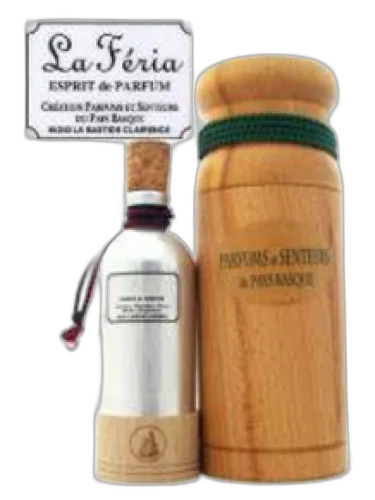
Parfums et Senteurs du Pays Basque
La Feria Pour Femme Parfums Et Senteurs Du Pays Basque
Shared top notes: lily
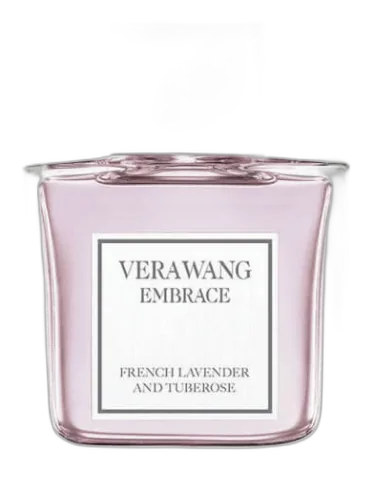
Vera Wang
Embrace French Lavender & Tuberose Vera Wang
Shared base notes: cacao, vanilla
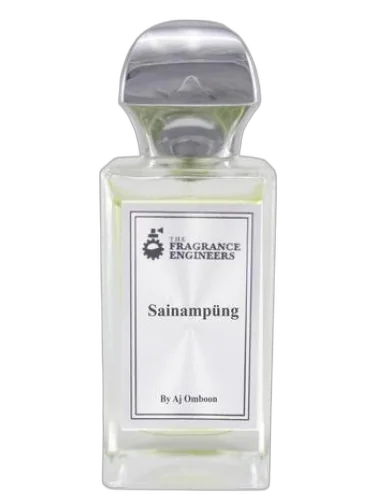
The Fragrance Engineers
Sainampüng The Fragrance Engineers
Shared heart notes: lily-of-the-valley, mimosa
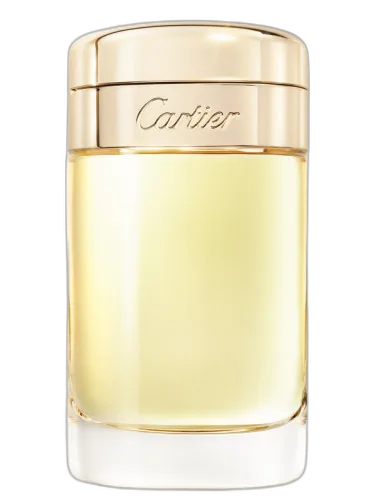
Cartier
Baiser Volé Parfum Cartier
Shared top notes: lily

Avon
Live Out Loud Avon
Shared heart notes: mimosa