


Le Jasmin Goutal
At a glance
Is Le Jasmin Goutal worth trying?
Le Jasmin by Goutal is a Floral fragrance for women.
- Best match
- Casual wear in Spring
- Performance feel
- Moderate longevity with Moderate sillage
- Signature profile
- white floral, floral, warm spicy with Jasmine, Ginger, Magnolia
The first impression
Le Jasmin by Goutal is a Floral fragrance for women. Le Jasmin was launched in 2004. Le Jasmin was created by Isabelle Doyen and Camille Goutal.
What shapes the scent
The perfumer behind it

Camille Goutal
Camille Goutal is a perfumer associated with the Goutal brand, continuing its legacy of artistic fragrances. She has created notable scents such as Ambre Fétiche, Bois D'hadrien, and La Violette. Her work often emphasizes natural floral and amber notes with a refined sensibility.
Notes pyramid
All Notes
Complete scent profile
 Jasmine
 Ginger
 Magnolia
The mood it creates
The Lover Archetype: Portrait of Le Jasmin Goutal
Essence
To wear Le Jasmin Goutal is to embrace the intoxicating duality of jasmine-its luminous sweetness shadowed by an earthy, almost narcotic depth. The person who chooses this fragrance is drawn to beauty not as mere ornament, but as a force that stirs the soul. They are, at their core, an embodiment of The Lover archetype-one who seeks connection, sensuality, and meaning through the senses.
This is not the Lover in its most superficial form, lost in fleeting passions, but rather one who understands that desire is a gateway to the sublime. They are attuned to the poetry of existence-the way light filters through leaves, the cadence of a lover’s voice, the quiet thrill of a perfectly arranged room. Their life is an ongoing dialogue between the ephemeral and the eternal, between pleasure and depth.
Style & Aesthetic
Their tastes are refined but never ostentatious. They prefer understated elegance-linen dresses that whisper rather than shout, antique silver rings worn smooth by time, handwritten letters sealed with wax. Their home is a sanctuary of curated beauty: fresh-cut peonies in a Murano glass vase, shelves lined with well-loved poetry collections, the faintest trace of incense lingering in the air.
They are drawn to art that evokes longing-the paintings of Klimt, the music of Debussy, the films of Wong Kar-wai. They do not merely consume beauty; they commune with it, allowing it to shape their inner world. Their philosophy is one of sensual existentialism-they believe that meaning is found not in abstraction, but in the tangible, the felt, the tasted.
Relationships
In love, they are both generous and demanding. They do not settle for superficial connections; they crave intensity, a merging of souls as much as bodies. Their relationships are marked by deep emotional attunement-they remember the way their lover takes their coffee, the exact shade of their eyes at dusk. Yet this very depth can become their shadow.
Their hunger for profound connection can tip into possessiveness, a fear of being abandoned to the mundane. They may mistake intensity for love, staying too long in relationships that burn brightly but destructively. Their greatest fear is not loneliness, but banality-the horror of a life unlived, a love untasted.
Shadow
The Lover’s brilliance is also their vulnerability. Their pursuit of beauty can become escapism, a refusal to engage with life’s harsher truths. They may romanticize suffering, seeing melancholy as a badge of depth rather than a wound to be healed. At their worst, they become the Tragic Hedonist-one who drowns in sensation, mistaking indulgence for transcendence.
They may also struggle with envy-not of material things, but of others’ seemingly effortless joy. Why does beauty come so easily to some, while they must grasp at it like a fading scent? This envy, if unchecked, can sour into bitterness, turning their world from a garden into a gilded cage.
Conclusion
The Lover’s redemption lies in balance-learning that beauty is not only in the extraordinary, but in the ordinary, fully seen. They must temper their hunger for the sublime with an appreciation for the quiet, the steady, the unglamorous. When they do, their passion becomes not a consuming fire, but a sustaining warmth.
To love them is to be both cherished and challenged. They will ask you to see the world as they do-vivid, aching, alive. And if you let them, they will teach you that to live deeply is the only way to live at all.
If you like this, try these
Fragrances with a comparable profile - shared accords, notes, and character.

LabSolue
33 Magnolia Labsolue
Shared top notes: jasmine, magnolia
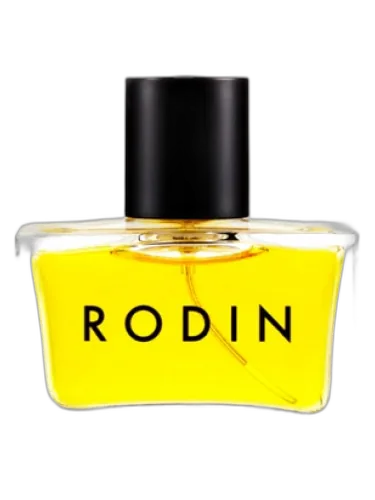
RODIN Olio Lusso
Rodin Rodin Olio Lusso
Shared top notes: jasmine

Victorio & Lucchino
Carmen Victorio & Lucchino
Shared top notes: jasmine, magnolia
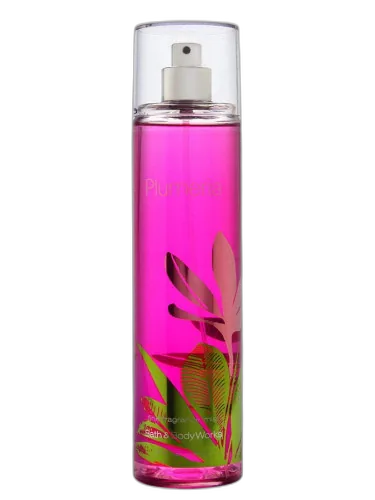
Bath & Body Works
Plumeria Bath & Body Works
Shared top notes: jasmine
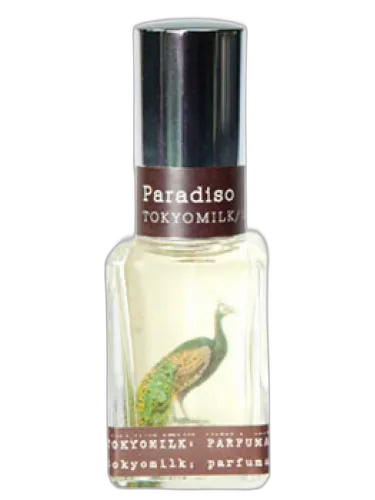
Tokyo Milk Parfumerie Curiosite
Paradiso Tokyo Milk Parfumerie Curiosite
Shared top notes: jasmine, magnolia