


L’ile Au Thé Goutal
Fragrance Story
L’Ile au Thé by Goutal is a Citrus Aromatic fragrance for women and men. L’Ile au Thé was launched in 2015. L’Ile au Thé was created by Camille Goutal and Isabelle Doyen. Top notes are Mandarin Orange and Citruses; middle notes are Tea, Mandarin Blossom and Osmanthus; base note is White Musk.
Composition Profile
About the Perfumer

Camille Goutal
Camille Goutal is a perfumer associated with the Goutal brand, continuing its legacy of artistic fragrances. She has created notable scents such as Ambre Fétiche, Bois D'hadrien, and La Violette. Her work often emphasizes natural floral and amber notes with a refined sensibility.
Fragrance Notes
Top Notes
First impression · 15-30 min
 Mandarin Orange
 Citruses
Heart Notes
Core character · 2-4 hours
 Tea
Tea
 Mandarin Blossom
 Osmanthus
Base Notes
Lasting impression · 4+ hours
White Musk
Character Profile
The Scent Of Contemplation Archetype: Portrait of L’ile Au Thé Goutal
Essence
This person is, above all, a seeker-one who values wisdom, clarity, and the quiet revelations of solitude. The Sage archetype defines them, for they are drawn to the subtle, the refined, the intellectually and aesthetically layered. L’Ile Au Thé Goutal, with its delicate balance of bergamot, green tea, and musk, mirrors their essence: a fragrance that does not announce itself boldly but lingers in the mind, inviting reflection. Like the Sage, they are not content with surface impressions; they crave depth, understanding, and the hidden harmonies of life.
Relationships
They do not collect friends; they cultivate them. Their circle is small, composed of those who appreciate nuance and can engage in conversations that meander without losing depth. Romantic partners must understand their need for solitude-they are not cold, but their love is expressed in thoughtful gestures rather than grand displays. They might struggle with emotional spontaneity, preferring to process feelings internally before sharing them.
Their greatest gift in relationships is their ability to listen deeply, to offer perspective without judgment. Yet this same quality can become a flaw-their tendency to intellectualize emotions may leave others feeling unseen, as if their heart is always one step removed from the moment.
Shadow
The Sage’s strength is also their weakness: their love of contemplation can become a retreat from life. They may grow overly detached, mistaking observation for participation. At their worst, they become the Hermit-someone so accustomed to solitude that they forget how to be truly present with others. Their pursuit of wisdom can tip into arrogance, a quiet conviction that they see what others cannot.
They might also struggle with indecision, trapped in endless analysis. The very clarity they seek can elude them when action is required, leaving them paralyzed by nuance.
Conclusion
Their tastes are an extension of their inner world-understated but deliberate. They prefer muted colors, natural fabrics, and objects that carry history or craftsmanship. Their home is a sanctuary of books, carefully chosen art, and perhaps a single exquisite tea set, used with ritualistic precision. Music, if they indulge, is likely classical or ambient-something that rewards attentive listening rather than demands it.
Philosophy is not an abstract pursuit for them but a lived experience. They might be drawn to Stoicism, Zen Buddhism, or the existentialists-systems that prize awareness, discipline, and the art of seeing clearly. They do not preach their beliefs but embody them, offering insights only when asked. Their values center on authenticity, intellectual honesty, and the quiet dignity of self-possession.
Similar Fragrances
Fragrances with a comparable profile - shared accords, notes, and character.
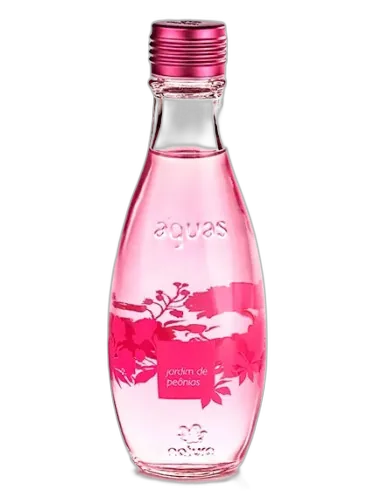
Natura
Jardim De Peônias Natura
Shared accords: citrus, floral, fresh
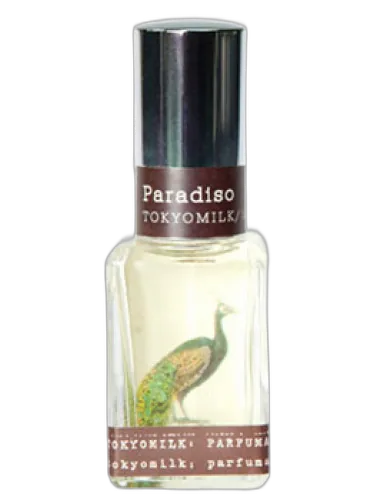
Tokyo Milk Parfumerie Curiosite
Paradiso Tokyo Milk Parfumerie Curiosite
Shared accords: citrus, floral, fresh
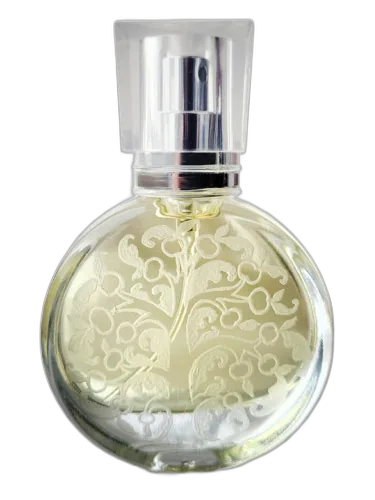
Ladanika
Apples Of Youth Молодильные Яблоки Ladanika
Shared accords: floral, fresh, fruity

Phebo
Amir Slama Matcha Phebo
Shared accords: citrus, fresh, fruity
Elizabeth Arden
White Tea Mandarin Blossom Elizabeth Arden
Shared accords: citrus, floral, fresh