
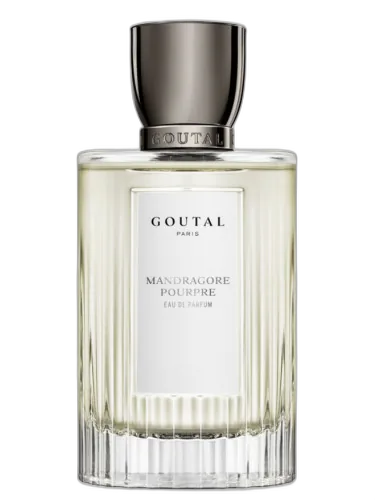

Mandragore Pourpre Goutal
At a glance
Is Mandragore Pourpre Goutal worth trying?
Mandragore Pourpre by Goutal is a Woody Spicy fragrance for women and men.
- Best match
- Evening wear in Fall, Winter
- Performance feel
- Good longevity with Moderate sillage
- Signature profile
- fresh spicy, aromatic, anis with Star Anise, Mint, Bergamot
The first impression
Mandragore Pourpre by Goutal is a Woody Spicy fragrance for women and men. Mandragore Pourpre was launched in 2009. Mandragore Pourpre was created by Isabelle Doyen and Camille Goutal. Top notes are Star Anise, Mint and Bergamot; middle notes are Pepper, Rosemary, Geranium and Amber; base notes are Incense, Patchouli, Heliotrope and Myrhh.
What shapes the scent
The perfumer behind it

Camille Goutal
Camille Goutal is a perfumer associated with the Goutal brand, continuing its legacy of artistic fragrances. She has created notable scents such as Ambre Fétiche, Bois D'hadrien, and La Violette. Her work often emphasizes natural floral and amber notes with a refined sensibility.
Notes pyramid
Top Notes
First impression · 15-30 min
 Star Anise
 Mint
Mint
 Bergamot
Heart Notes
Core character · 2-4 hours
 Pepper
 Rosemary
 Geranium
 Amber
Amber
Base Notes
Lasting impression · 4+ hours
 Incense
 Patchouli
 Heliotrope
 Myrhh
Myrhh
The mood it creates
The Sage Archetype: Portrait of Mandragore Pourpre Goutal
Essence
This person is most closely aligned with the Sage-a seeker of hidden truths, a quiet observer who navigates the world with a blend of wisdom and curiosity. The Sage does not merely accumulate knowledge; they distill it into something personal, almost mystical. Mandragore Pourpre, with its deep, earthy spices softened by powdery florals and a whisper of leather, mirrors this duality-intellectual rigor softened by an almost poetic sensitivity.
Style & Aesthetic
Their wardrobe is an extension of their mind-structured yet unconventional. They favor textures that suggest history: worn leather, heavy wool, linen that softens with time. Their colors are muted but rich-deep burgundies, forest greens, the black of well-aged ink. There is nothing loud about them, yet they command attention through quiet confidence.
They are drawn to art that rewards contemplation-symbolist paintings, chamber music, poetry that reveals itself slowly. Their home is a sanctuary of curated objects: antique books, odd curios, a single perfect orchid in a clay pot.
They thrive in environments that allow for solitude and reflection-a quiet study, an empty museum gallery, a forest at dusk. Their routines are deliberate: morning tea brewed with ritual precision, evening walks where they untangle the day’s thoughts. They are drawn to professions that reward insight-academia, psychology, rare book dealing, perfumery itself.
Yet, their love of solitude can tip into isolation. They may forget that wisdom untested by the world grows brittle, that even the deepest mind needs the friction of others to stay sharp.
Philosophy & Values
They are drawn to the esoteric, the layered, the things that require patience to unravel. Their philosophy is not dogmatic but fluid, shaped by an insatiable hunger for understanding. They believe in the power of subtlety-that truth is rarely shouted but often murmured in the spaces between words. They value depth over spectacle, preferring a conversation that lingers like the scent of incense rather than one that burns out in a flash of passion.
Yet, this reverence for the hidden can sometimes make them dismissive of the obvious. They may scoff at simplicity, mistaking it for shallowness, forgetting that not all wisdom needs to be cryptic.
Relationships
They are not gregarious, but neither are they reclusive. Their friendships are few but profound, built on mutual respect for depth and authenticity. They despise small talk, yet they are not unkind-merely impatient with superficiality. In love, they seek a partner who is both an equal and a mystery, someone who can match their intellect but still surprise them.
Their shadow here is a tendency toward aloofness. They may withdraw when others fail to meet their standards, mistaking their own intensity for superiority.
Shadow
The Sage’s greatest flaw is their potential to become lost in their own mind. When unbalanced, they retreat too far into abstraction, mistaking contemplation for living. They may grow cynical, seeing ignorance where there is merely difference, or become paralyzed by their own discernment, unable to act for fear of imperfection.
But when they remember that wisdom is meant to be shared-not hoarded like a secret-they become luminous. Their insights, when offered with generosity rather than condescension, can illuminate the lives of others.
Conclusion
Mandragore Pourpre is not a fragrance for those who wish to be instantly understood. It unfolds slowly, revealing its depths only to those who take the time to notice. So too does this person-a thinker, a seeker, a quiet force in a world that often mistakes volume for substance.
They are not without flaws, but their flaws are the price of their depth. And in the end, they would have it no other way.
If you like this, try these
Fragrances with a comparable profile - shared accords, notes, and character.
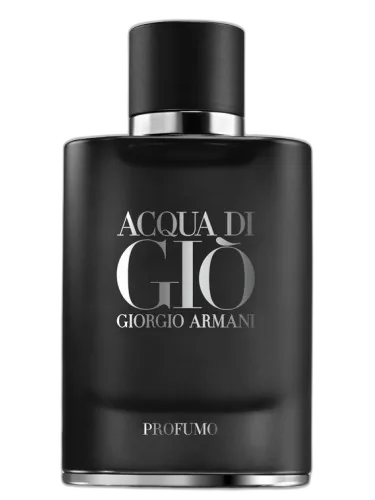
Giorgio Armani
Acqua Di Giò Profumo Giorgio Armani
Shared top notes: bergamot
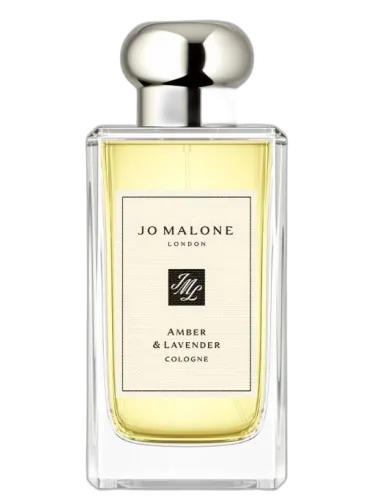
Jo Malone London
Amber & Lavender Jo Malone London
Shared top notes: bergamot, mint
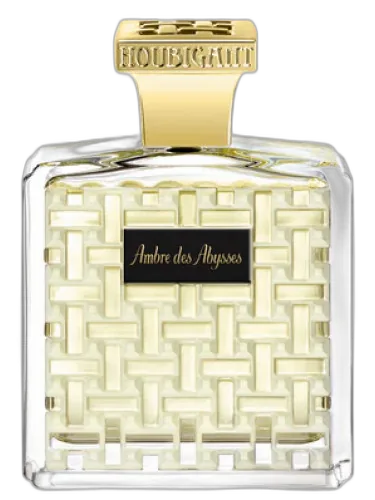
Houbigant
Ambre Des Abysses Houbigant
Shared top notes: bergamot, mint

Thera Cosméticos
Malta Thera Cosméticos
Shared top notes: bergamot
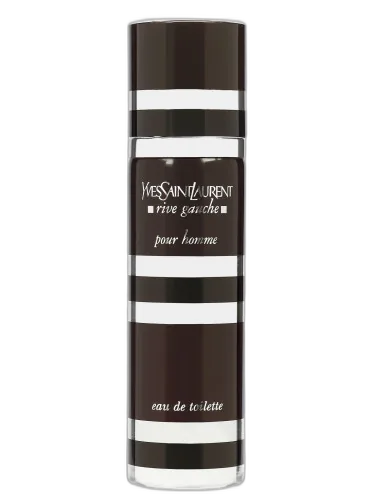
Yves Saint Laurent
Rive Gauche Pour Homme Yves Saint Laurent
Shared top notes: bergamot, star anise