
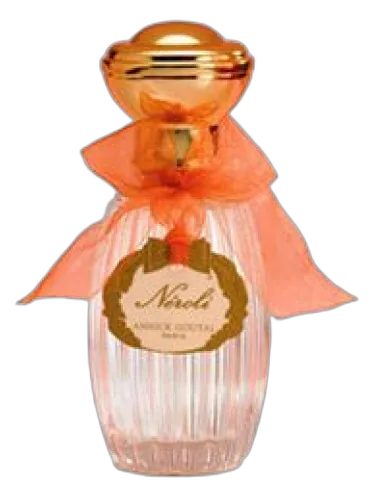

Neroli Goutal
At a glance
Is Neroli Goutal worth trying?
Neroli by Goutal is a Floral fragrance for women and men.
- Best match
- Casual wear in Spring, Summer
- Performance feel
- Moderate longevity with Moderate sillage
- Signature profile
- white floral, citrus, woody with Neroli, Orange Blossom, Cypress
The first impression
Neroli by Goutal is a Floral fragrance for women and men. Neroli was launched in 2003. Neroli was created by Camille Goutal and Isabelle Doyen.
What shapes the scent
The perfumer behind it

Camille Goutal
Camille Goutal is a perfumer associated with the Goutal brand, continuing its legacy of artistic fragrances. She has created notable scents such as Ambre Fétiche, Bois D'hadrien, and La Violette. Her work often emphasizes natural floral and amber notes with a refined sensibility.
Notes pyramid
All Notes
Complete scent profile
 Neroli
 Orange Blossom
 Cypress
 Petitgrain
 Cedar
Cedar
The mood it creates
The Sage Archetype: Portrait of Neroli Goutal
Essence
To wear Neroli Goutal is to embrace a fragrance of paradox-bright yet introspective, luminous yet grounded. The person who cherishes this scent is drawn to its clarity, its blend of citrus vitality and quiet sophistication. They are not one for excess; they seek refinement, but not at the expense of authenticity. Their soul resonates with the Sage archetype, the seeker of wisdom, the observer who finds truth in simplicity.
They move through life with measured grace, valuing intelligence over spectacle, depth over noise. Their presence is neither loud nor timid-it is assured, like sunlight filtering through leaves, illuminating without demanding attention.
Style & Aesthetic
Their tastes are deliberate, shaped by an appreciation for the understated. They prefer clean lines in design, muted colors with occasional bursts of warmth-a saffron scarf, a single amber ring. Their home is a sanctuary of order, where books are arranged not by color but by theme, where every object has been chosen for its meaning rather than its trendiness.
Philosophy is not an abstract exercise for them but a lived experience. They might be drawn to Stoicism for its discipline, to Zen for its quietude, or to Nietzsche himself for his unflinching pursuit of truth. They do not worship knowledge for its own sake but for the way it sharpens perception.
In relationships, they are selective. They do not collect friends; they cultivate them. Their circle is small but enduring, built on mutual respect rather than obligation. They listen more than they speak, and when they do speak, their words carry weight. Romance, for them, is an exchange of minds as much as hearts-they crave a partner who can match their intellectual curiosity, someone who understands that love is not just passion but also conversation.
Shadow
Yet wisdom, when unchecked, can calcify into coldness. Their clarity of thought sometimes veers into detachment, making them seem aloof or unfeeling. They may mistake emotional expression for weakness, dismissing vulnerability as irrational. In their pursuit of truth, they can become rigid, unwilling to accept that some truths are felt rather than reasoned.
There is also the risk of intellectual pride. They may grow impatient with those who do not share their depth, dismissing simpler joys as naïve. Their love of solitude can curdle into isolation, their self-sufficiency into a refusal to ask for help. The Sage must remember that wisdom without compassion is merely cleverness, and insight without connection is a lonely brilliance.
Conclusion
The Neroli Goutal lover is not one for grand gestures or dramatic reinventions. Their life is a quiet masterpiece, built on thoughtfulness rather than impulse. They find joy in the subtle-the turn of a well-written phrase, the scent of citrus on a summer morning, the satisfaction of a mind forever questioning.
But they must guard against becoming too cerebral, too removed. The greatest challenge for the Sage is not to know more, but to feel deeply-to let the heart, at times, lead the mind. Only then does their wisdom become truly luminous.
If you like this, try these
Fragrances with a comparable profile - shared accords, notes, and character.
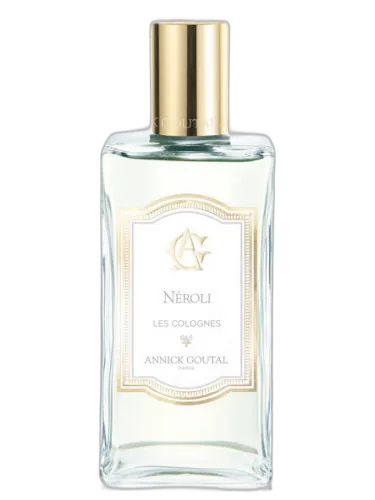
Goutal
Les Colognes Neroli Goutal
Shared top notes: neroli, orange blossom, petitgrain

Bvlgari
Chill & Sole Bvlgari
Shared top notes: neroli, orange blossom, petitgrain

Chanel
Pour Monsieur Chanel
Shared top notes: neroli, petitgrain
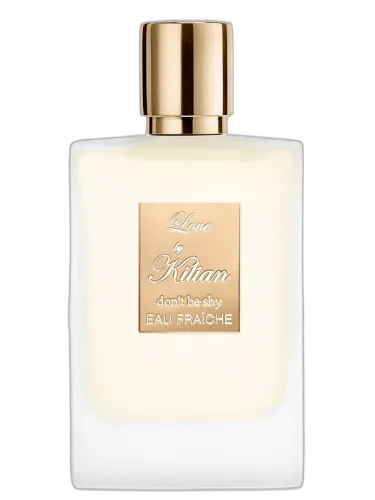
By Kilian
Love Eau Fraîche By Kilian
Shared top notes: neroli, orange blossom, petitgrain
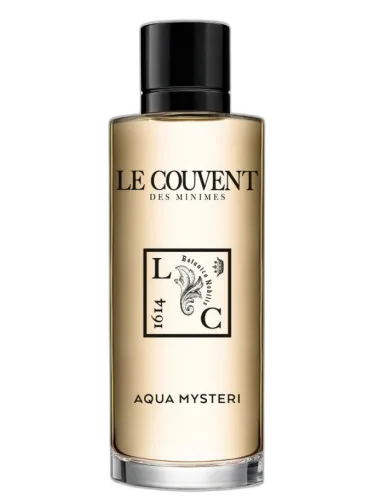
Le Couvent Maison de Parfum
Aqua Mysteri Le Couvent Maison De Parfum
Shared top notes: cedar, neroli