
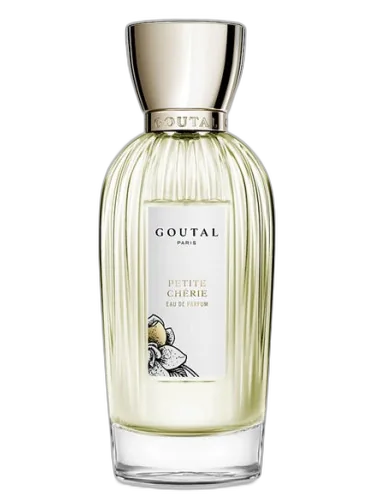

Petite Cherie Goutal
At a glance
Is Petite Cherie Goutal worth trying?
Petite Cherie by Goutal is a Floral Fruity fragrance for women.
- Best match
- Casual wear in Spring
- Performance feel
- Moderate longevity with Moderate sillage
- Signature profile
- fruity, fresh, sweet with Pear, Peach, Grass
The first impression
Petite Cherie by Goutal is a Floral Fruity fragrance for women. Petite Cherie was launched in 1998. The nose behind this fragrance is Annick Goutal. Top notes are Pear, Peach and Grass; middle notes are Rose, Lilac and Hedione; base notes are White Musk and Vanilla.
What shapes the scent
The perfumer behind it

Annick Goutal
Annick Goutal began her career as a pianist and model before founding her eponymous perfume house in 1981, where she worked closely with her daughter Camille Goutal. Known for a natural, luminous style, her compositions often highlight a single note, as seen in the citrusy Eau d'Hadrien and the fresh, floral Eau de Camille. Her creations, including the romantic Ce Soir Ou Jamais and the gentle Eau de Charlotte, are celebrated for their elegant simplicity and emotional resonance, establishing a legacy of intimate, artisanal perfumery.
Notes pyramid
Top Notes
First impression · 15-30 min
 Pear
Pear
 Peach
Peach
 Grass
Grass
Heart Notes
Core character · 2-4 hours
 Rose
Rose
 Lilac
Lilac
 Hedione
Base Notes
Lasting impression · 4+ hours
 White Musk
 Vanilla
The mood it creates
The Lover Archetype: Portrait of Petite Cherie Goutal
Essence
The one who wears Petite Cherie by Annick Goutal is not merely drawn to its notes of pear, peach, and vanilla-they are ensnared by its essence of sweetness, nostalgia, and unspoiled charm. This person is most closely aligned with the Innocent archetype, a figure who seeks purity, simplicity, and the untainted beauty of life. Like the fragrance itself-soft yet lingering, youthful but not juvenile-they embody a paradoxical blend of naivety and wisdom, optimism and melancholy.
The Innocent does not wear cynicism as armor; they reject the notion that disillusionment is inevitable. Their world is one where love is still possible, where small joys are sacred, and where bitterness has not yet taken root. Yet beneath this lightness lies a quiet awareness of fragility-a knowledge that innocence, once lost, cannot be reclaimed.
Style & Aesthetic
Their tastes are refined but never ostentatious. They prefer the delicate over the bold, the understated over the garish. Their home is filled with soft fabrics, pastel hues, and objects that carry sentimental weight-a dried bouquet from a first love, a well-worn book of poetry, a teacup with a hairline crack they refuse to discard. They are drawn to art that captures fleeting moments: Impressionist paintings, haiku, the scent of rain on warm pavement.
In fashion, they favor flowing silhouettes, natural fabrics, and subtle details-a lace trim, a ribbon tied just so. Their style is not about making a statement but about feeling at ease in their own skin. They wear Petite Cherie not to seduce but to remind themselves of who they are: someone who still believes in tenderness.
Philosophy & Values
They live by an unspoken creed: Do no harm, but take no poison. Their optimism is not blind-they have seen enough of life to know its cruelties-but they refuse to let bitterness dictate their path. They value kindness above all else, though they sometimes mistake politeness for virtue. Their greatest fear is becoming jaded, losing the ability to marvel at the world.
Yet this very idealism is their double-edged sword. They are prone to disappointment, not because life is inherently cruel, but because they expect it to mirror their own goodness. When reality fails to match their vision, they withdraw into melancholy, nursing wounds that others might shrug off.
Relationships
In love, they are both giving and fragile. They fall quickly, not out of recklessness, but because they see the best in people before the worst. Their relationships are marked by deep emotional investment-they remember anniversaries, write letters by hand, and believe in soulmates. But this same intensity can suffocate; not everyone can bear the weight of their expectations.
Their friendships are lasting but few. They do not trust easily, not out of suspicion, but because they know how deeply betrayal would wound them. Those who earn their loyalty are cherished, but they are slow to let new souls in.
Shadow
The Innocent’s greatest weakness is their reluctance to face darkness-both in the world and within themselves. They avoid conflict, sometimes to the point of self-betrayal. Their desire to preserve harmony can make them passive, allowing others to overstep their boundaries. When hurt, they do not retaliate; they retreat, nursing their wounds in silence.
There is also a quiet arrogance in their purity-a subtle belief that their way of seeing the world is superior. They may dismiss those who are more hardened as "bitter" or "cynical," failing to recognize that resilience often comes from surviving what they have not yet endured.
Conclusion
To encounter this person is to be reminded of what it means to be unguarded, to find beauty in the ephemeral. They are not naive-they have simply chosen to protect their softness in a world that often rewards hardness. Petite Cherie is their armor and their confession: a scent that says, I still believe in sweetness, even if it costs me.
But the question lingers: Can innocence survive experience? Or is its beauty found precisely in its inevitable fading? The wearer of this fragrance lives in the tension of that question, savoring each moment before it slips away.
If you like this, try these
Fragrances with a comparable profile - shared accords, notes, and character.
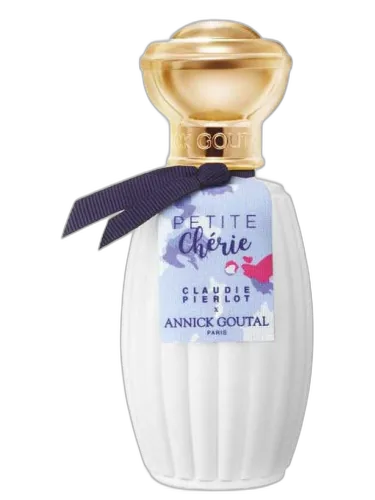
Goutal
Petite Chérie - Claudie Pierlot Edition Goutal
Shared top notes: grass, peach, pear
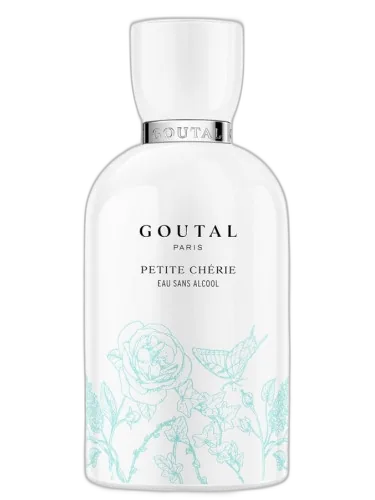
Goutal
Petite Chérie Eau Sans Alcool Goutal Goutal
Shared top notes: grass, peach, pear
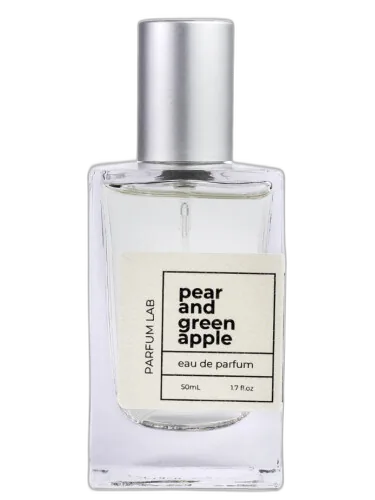
Parfum Lab
Pear And Green Apple Parfum Lab
Shared top notes: grass, peach, pear
Nina Ricci
Nina Rose Garden Nina Ricci
Shared top notes: grass, pear
Flora Pura
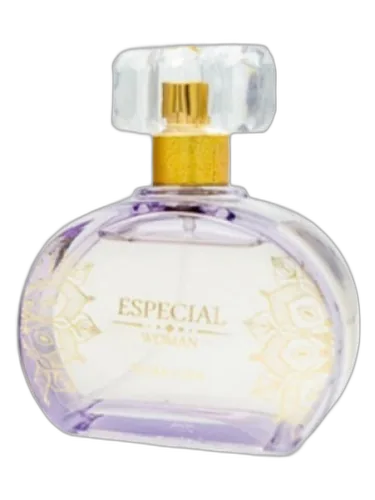
Especial Woman Flora Pura
Shared top notes: pear