
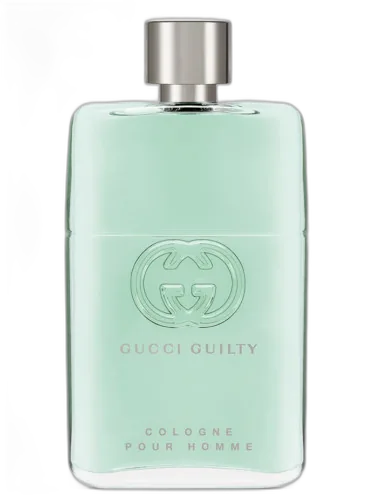
Gucci Guilty Cologne Pour Homme Gucci
At a glance
Is Gucci Guilty Cologne Pour Homme Gucci worth trying?
Gucci Guilty Cologne Pour Homme by Gucci is a Woody Floral Musk fragrance for men.
- Best match
- Evening wear in Summer
- Performance feel
- Good longevity with Moderate sillage
- Signature profile
- aromatic, woody, fresh spicy with Juniper Berries, Rosemary, Calabrian bergamot
The first impression
Gucci Guilty Cologne Pour Homme by Gucci is a Woody Floral Musk fragrance for men. Gucci Guilty Cologne Pour Homme was launched in 2019. The nose behind this fragrance is Alberto Morillas. Top notes are Juniper Berries, Rosemary and Calabrian bergamot; middle notes are Cypress, Violet and Heliotrope; base notes are White Musk, Cedar and Patchouli Leaf.
What shapes the scent
The perfumer behind it

Alberto Morillas
Alberto Morillas is a master perfumer based in Geneva, Switzerland, and a longtime collaborator with Firmenich. His style is known for refined, luminous compositions that balance natural elegance with modern clarity. He created the bold leather and spice of Amouage Opus VII - Reckless Leather, the fresh citrus depth of Acqua di Parma Colonia Intensa, and the woody warmth of Aedes de Venustas Palissandre D'or. His work has shaped contemporary perfumery across both niche and luxury houses.
Notes pyramid
Top Notes
First impression · 15-30 min
 Juniper Berries
 Rosemary
Calabrian bergamot
Rosemary
Calabrian bergamot
Heart Notes
Core character · 2-4 hours
 Cypress
 Violet
 Heliotrope
Base Notes
Lasting impression · 4+ hours
White Musk
 Cedar
Patchouli Leaf
Cedar
Patchouli Leaf
The mood it creates
The Lover Archetype: Portrait of Gucci Guilty Cologne Pour Homme Gucci
Essence
The man who chooses Gucci Guilty Pour Homme is not merely selecting a fragrance-he is embracing an identity. The scent itself, with its bold citrus opening, tempered by lavender and patchouli, speaks of a duality: bright yet grounded, seductive yet controlled. This is the essence of the Lover archetype, a figure defined by passion, sensuality, and a deep appreciation for beauty in all its forms.
The Lover is not merely a romantic, though romance is part of his world. He is a connoisseur of experience, a man who seeks intensity in life-whether in love, art, or the pleasures of the senses. His presence lingers, much like his cologne, leaving an impression that is both magnetic and elusive.
Shadow
Yet, like all archetypes, the Lover has his darker reflections. His pursuit of beauty can become hedonism, his sensuality a means of escape rather than connection. He risks becoming a slave to his own desires, mistaking intensity for meaning. There is a danger in his charm-it can be weaponized, used to manipulate rather than inspire.
His greatest flaw is his fear of ordinariness. He shuns the mundane, sometimes at the cost of stability. Commitment terrifies him not because he dislikes intimacy, but because he fears the slow erosion of passion into routine. He may leave before he is left, always chasing the next thrill, the next intoxication.
Conclusion
His tastes are deliberate, almost ritualistic. He prefers the understated luxury of a well-tailored blazer over ostentation, the quiet confidence of a man who knows his worth. His wardrobe is curated-dark denim, leather boots, a watch that speaks of heritage rather than flash. He does not chase trends; he embodies them, bending them to his will.
Philosophically, he is drawn to the idea that life should be lived with fervor. He admires the Nietzschean ideal of amor fati-the love of fate-believing that one must embrace both pleasure and pain with equal intensity. He is not afraid of depth, of the shadows that lurk beneath the surface of polished charm.
In relationships, he is both captivating and confounding. He draws people in effortlessly, his charisma a natural extension of his being. Yet he resists being fully known, guarding his vulnerabilities behind a veil of wit and allure. His lovers find him intoxicating but elusive-a man who gives freely of his passion but rarely of his soul.
If you like this, try these
Fragrances with a comparable profile - shared accords, notes, and character.
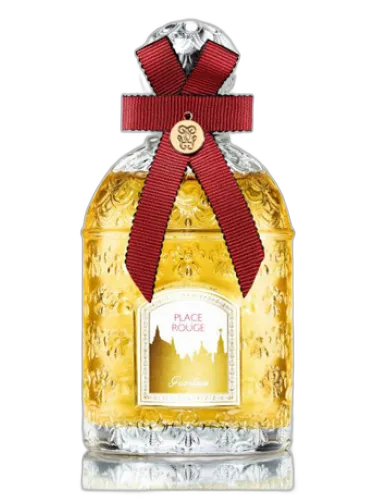
Guerlain
Place Rouge Guerlain
Shared top notes: rosemary
L'Atelier Parfum
Verte Euphorie L'atelier Parfum
Shared base notes: cedar, white musk
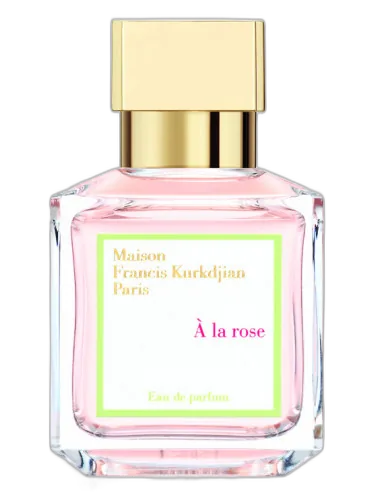
Maison Francis Kurkdjian
A La Rose Maison Francis Kurkdjian
Shared top notes: calabrian bergamot
Mancera
Wild Fruits Mancera
Shared heart notes: violet
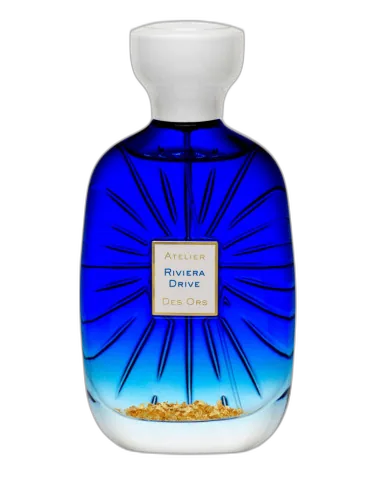
Atelier des Ors
Riviera Drive Atelier Des Ors
Shared top notes: rosemary