
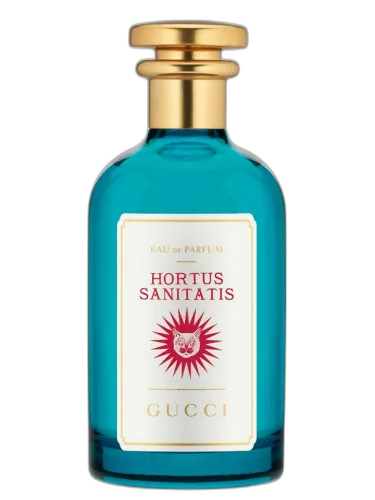

Hortus Sanitatis Gucci
At a glance
Is Hortus Sanitatis Gucci worth trying?
Hortus Sanitatis by Gucci is a Woody Spicy fragrance for women and men.
- Best match
- Evening wear in Fall
- Performance feel
- Very Good longevity with Moderate sillage
- Signature profile
- woody, aromatic, earthy with Papyrus, Vetiver, Ginger
The first impression
Hortus Sanitatis by Gucci is a Woody Spicy fragrance for women and men. Hortus Sanitatis was launched in 2020. The nose behind this fragrance is Alberto Morillas.
What shapes the scent
The perfumer behind it

Alberto Morillas
Alberto Morillas is a master perfumer based in Geneva, Switzerland, and a longtime collaborator with Firmenich. His style is known for refined, luminous compositions that balance natural elegance with modern clarity. He created the bold leather and spice of Amouage Opus VII - Reckless Leather, the fresh citrus depth of Acqua di Parma Colonia Intensa, and the woody warmth of Aedes de Venustas Palissandre D'or. His work has shaped contemporary perfumery across both niche and luxury houses.
Notes pyramid
All Notes
Complete scent profile
 Papyrus
 Vetiver
 Ginger
 Cedar
Cedar
The mood it creates
The Sage Archetype: Portrait of Hortus Sanitatis Gucci
Essence
To wear Hortus Sanitatis by Gucci is to embrace an olfactory paradox-a fragrance that is at once earthy and ethereal, medicinal yet mystical. The person who chooses this scent is drawn to the interplay of knowledge and intuition, of science and the sacred. They are, above all, a Sage-an archetype defined by wisdom, curiosity, and an unquenchable thirst for understanding.
The Sage does not merely seek facts; they seek meaning. Their mind is a labyrinth of connections, where philosophy, botany, history, and myth intertwine. They are the quiet observer in the corner of the room, the one who listens more than they speak, but when they do, their words carry weight.
Shadow
Yet wisdom, when unchecked, can become a prison. Their love of knowledge can turn into a retreat from life-a preference for books over people, for theory over action. They may grow impatient with those who do not share their depth, dismissing simpler joys as trivial. This is the Sage’s shadow: the intellectual who forgets how to feel.
There is also the danger of arrogance. Knowledge can intoxicate, and they may begin to believe their understanding is superior, that others are merely unenlightened. They might withdraw into their own mind, becoming a hermit of thought rather than a guide.
Conclusion
Their tastes are refined but never ostentatious. They prefer the understated elegance of raw linen, aged leather, and handcrafted ceramics over flashy trends. Their home is a sanctuary of books, dried herbs, and curiosities-perhaps a collection of antique apothecary bottles or pressed flowers between pages. They are drawn to the forgotten, the obscure, the things that whisper rather than shout.
Philosophy is not an abstract exercise for them; it is a way of life. They might find solace in Stoicism, seeing wisdom in endurance, or in Taoism, embracing the flow of nature. Their values center on truth, but not the rigid, dogmatic kind-they seek the kind of truth that evolves, that reveals itself in layers.
In relationships, they are selective. They do not crave crowds but deep, meaningful exchanges. Their friendships are built on intellectual sparring and silent understanding. Romantic partners must be their equals in curiosity, or at least willing to wander the labyrinth of their mind.
If you like this, try these
Fragrances with a comparable profile - shared accords, notes, and character.
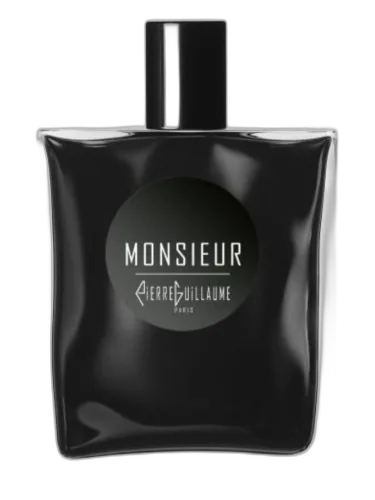
Pierre Guillaume Paris
Monsieur Pierre Guillaume Paris
Shared top notes: cedar, papyrus, vetiver
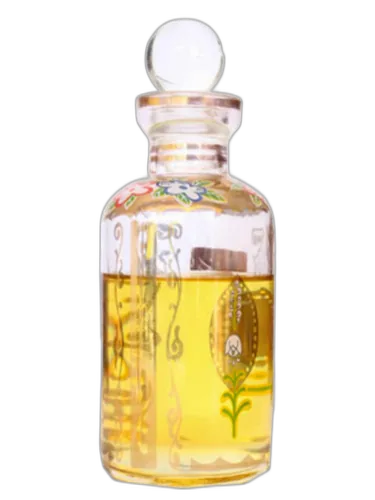
Scent Salim
The Yorkshire Scent Scent Salim
Shared top notes: ginger, vetiver
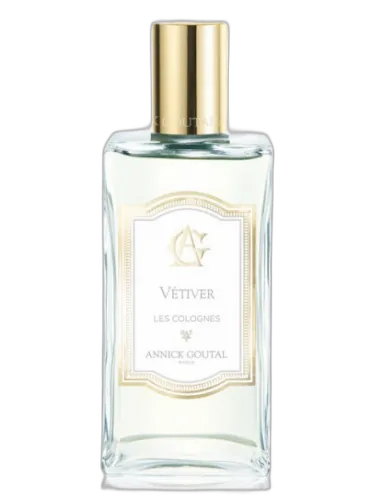
Goutal
Les Colognes Vetiver Goutal
Shared top notes: vetiver

Anconu
Vetiver Drizzle Anconu
Shared top notes: cedar, vetiver
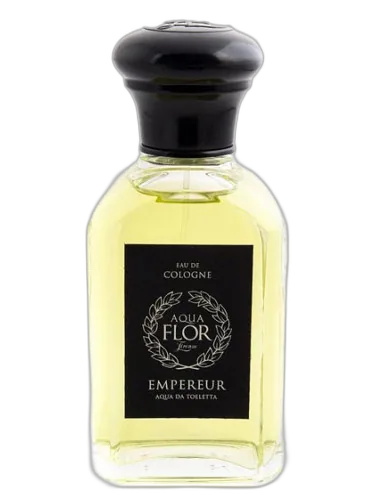
Aquaflor Firenze
Empereur Aquaflor Firenze
Shared top notes: cedar, vetiver