
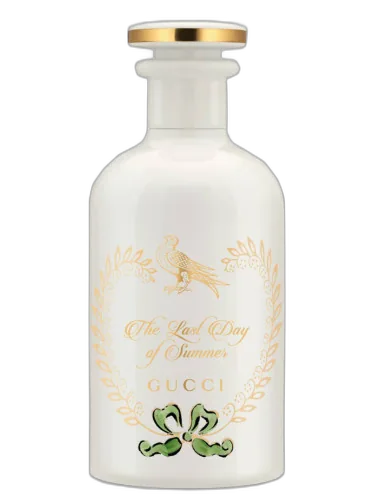

The Last Day Of Summer Eau De Parfum Gucci
At a glance
Is The Last Day Of Summer Eau De Parfum Gucci worth trying?
The Last Day Of Summer Eau de Parfum by Gucci is a Woody Spicy fragrance for women and men.
- Best match
- Evening wear in Fall
- Performance feel
- Good longevity with Moderate sillage
- Signature profile
- woody, aromatic, fresh spicy with Cypress, Cedar, Patchouli
The first impression
The Last Day Of Summer Eau de Parfum by Gucci is a Woody Spicy fragrance for women and men. The Last Day Of Summer Eau de Parfum was launched in 2019. The nose behind this fragrance is Alberto Morillas.
What shapes the scent
The perfumer behind it

Alberto Morillas
Alberto Morillas is a master perfumer based in Geneva, Switzerland, and a longtime collaborator with Firmenich. His style is known for refined, luminous compositions that balance natural elegance with modern clarity. He created the bold leather and spice of Amouage Opus VII - Reckless Leather, the fresh citrus depth of Acqua di Parma Colonia Intensa, and the woody warmth of Aedes de Venustas Palissandre D'or. His work has shaped contemporary perfumery across both niche and luxury houses.
Notes pyramid
All Notes
Complete scent profile
 Cypress
 Cedar
Cedar
 Patchouli
 Nutmeg
 Vetiver
The mood it creates
The Archetype Archetype: Portrait of The Last Day Of Summer Eau De Parfum Gucci
Essence
This person is most closely aligned with the Poet, an archetype that dwells in the liminal space between memory and possibility. The Poet does not merely observe life-they transmute it into something fragile yet eternal, like the scent of a season on the verge of vanishing. The Last Day of Summer is their chosen elixir because it captures the bittersweet beauty of transition, the quiet melancholy of endings that are also beginnings.
Philosophy & Values
For them, life is not a linear progression but a series of impressions, like watercolor strokes bleeding into one another. They believe in the sacredness of impermanence, that the most profound beauty exists precisely because it cannot last. This philosophy grants them a rare depth of feeling, but it also makes them prone to nostalgia-a longing for what has already slipped through their fingers.
They value authenticity above all else, despising anything contrived or performative. Their relationships are few but deep, built on whispered confessions and shared silences. They are not the life of the party, but the one you find on the balcony at midnight, speaking in metaphors about the stars.
Shadow
Yet, the Poet’s greatest strength is also their greatest weakness. Their reverence for the transient can tip into paralysis-an inability to move forward, forever caught between what was and what might be. They romanticize melancholy, sometimes mistaking it for wisdom. There is a danger in their tendency to withdraw, to live so deeply in their inner world that the present becomes a mere echo of memory.
They may struggle with commitment, not out of indifference, but because they fear the loss of possibility. Every choice feels like the closing of a door, and so they linger in the threshold, unwilling to step fully into the next season of their life. Their relationships may suffer from this hesitation-lovers grow impatient with their wistfulness, friends tire of their reluctance to embrace the mundane.
Conclusion
Their existence is one of heightened sensitivity, attuned to the fleeting-the way light slants through autumn leaves, the warmth of a fading sun on bare skin. They move through the world with a quiet intensity, as if every moment must be savored before it dissolves. Their tastes are refined but never ostentatious: they prefer worn leather-bound books, the texture of aged paper, the faint crackle of vinyl records. Their wardrobe is an extension of their philosophy-soft, unstructured fabrics in muted earth tones, as though they are always dressed for the golden hour.
They are drawn to art that lingers in ambiguity-films with open endings, music in minor keys, poetry that resists easy interpretation. Their home is a sanctuary of curated nostalgia: dried flowers in glass jars, a collection of handwritten letters, a single candle burning low. They do not chase trends but instead cultivate an aesthetic that feels timeless, as if they are curating their own museum of passing moments.
If you like this, try these
Fragrances with a comparable profile - shared accords, notes, and character.
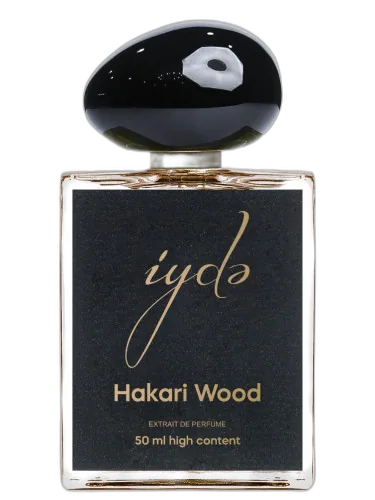
İydə
Hakari Wood İydə
Shared top notes: cedar, nutmeg, patchouli
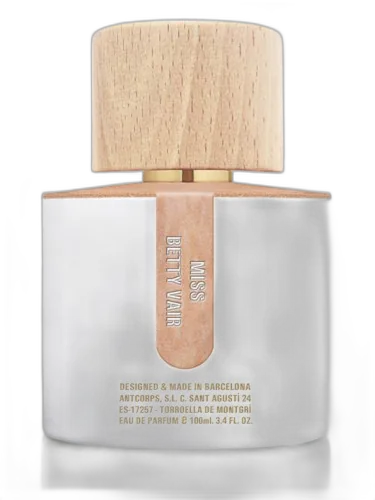
Santi Burgas
Miss Betty Vair Santi Burgas
Shared top notes: nutmeg, patchouli, vetiver
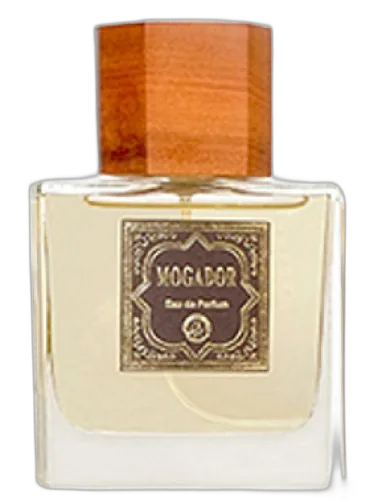
Les Parfums du Soleil
Mogador Les Parfums Du Soleil
Shared top notes: cedar, cypress, nutmeg

Puppet Parfum
Haunted Baby Puppet Parfum
Shared top notes: cedar, patchouli, vetiver

TRNP
Mikhail Trnp
Shared top notes: cedar, patchouli, vetiver