


Eau De Cologne Du Coq Guerlain
At a glance
Is Eau De Cologne Du Coq Guerlain worth trying?
Eau de Cologne du Coq by Guerlain is a Citrus Aromatic fragrance for men.
- Best match
- Casual wear in Summer
- Performance feel
- Moderate longevity with Moderate sillage
- Signature profile
- citrus, fresh spicy, aromatic with Neroli, Bergamot, Citruses
The first impression
Eau de Cologne du Coq by Guerlain is a Citrus Aromatic fragrance for men. Eau de Cologne du Coq was launched in 1894. The nose behind this fragrance is Aime Guerlain. Top notes are Neroli, Bergamot, Citruses, Lemon and Orange; middle notes are Lavender, Jasmine and Patchouli; base notes are Oakmoss and Sandalwood.
What shapes the scent
The perfumer behind it
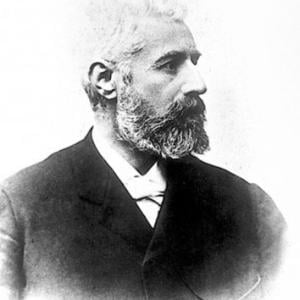
Aime Guerlain
Aimé Guerlain was a pioneering French perfumer and the second generation of the Guerlain family, serving as the house’s chief perfumer in the late 19th and early 20th centuries. He is celebrated for his bold, innovative use of synthetic ingredients, which allowed him to create complex, long-lasting scents that defined modern perfumery. His most famous creation, Jicky, remains a landmark fragrance, while his work on Cuir de Russie and Eau de Cologne du Coq showcased his mastery of both leather and fresh citrus compositions.
Notes pyramid
Top Notes
First impression · 15-30 min
 Neroli
 Bergamot
 Citruses
 Lemon
Lemon
 Orange
Heart Notes
Core character · 2-4 hours
 Lavender
 Jasmine
 Patchouli
Base Notes
Lasting impression · 4+ hours
 Oakmoss
 Sandalwood
The mood it creates
The Lover Archetype: Portrait of Eau De Cologne Du Coq Guerlain
Essence
This person is animated by the spirit of the Puer Aeternus-the eternal youth, forever suspended between the enchantment of beginnings and the reluctance to commit to endings. They are drawn to the crisp, citrus-infused vivacity of Eau De Cologne Du Coq Guerlain, a fragrance that evokes sunlight on fresh linen, the first breath of morning, and the fleeting exhilaration of spontaneity. Like the scent itself, they embody lightness, charm, and an almost mythic resistance to heaviness.
Style & Aesthetic
Their aesthetic is one of effortless grace-tailored but never stiff, refined but never ostentatious. They favor clean lines, natural fabrics, and a palette of whites, blues, and soft neutrals, as if dressing for an endless summer. Their home, if they have one, is airy and uncluttered, filled with objects that evoke nostalgia without demanding permanence: a well-worn book of poetry, a vintage camera, a single stem in a slender vase.
They are drawn to art that captures transience-impressionist paintings, haiku, jazz improvisations. In music, they prefer compositions that feel alive, unstructured, as if they might dissolve at any moment. Their taste in literature leans toward the lyrical and the fleeting-Nabokov’s Speak, Memory, Rilke’s Letters to a Young Poet, the aphorisms of Nietzsche.
They thrive in environments that mirror their inner restlessness-cafés in foreign cities, coastal towns where the sea air carries the promise of elsewhere. They may drift between careers, drawn to creative fields that allow for reinvention: photography, writing, design. Routine is their nemesis; they structure their days around inspiration rather than obligation.
Financially, they are neither reckless nor overly cautious-money is a means to experience, not security. They may live simply, but never austerely, always leaving room for indulgence in small luxuries: a perfectly brewed espresso, a bottle of wine shared with an old friend, the occasional impulsive journey.
Philosophy & Values
For them, life is not a problem to be solved but a sensation to be savored. They reject the weight of convention, favoring instead a philosophy of immediacy-what matters is the present moment, the spark of inspiration, the thrill of the new. They are drawn to beauty in its most ephemeral forms: the laughter of a stranger, the golden hour before dusk, the way a melody can transport one to another time.
Yet beneath this celebration of vitality lies a quiet fear of stagnation. They resist anything that threatens to pin them down-routines, obligations, the slow accumulation of years. Their greatest value is freedom, but this freedom is often defined by what they flee from rather than what they move toward.
Relationships
They are a radiant presence in social circles-warm, engaging, effortlessly charismatic. People are drawn to their energy, their ability to make even mundane moments feel enchanted. Yet their relationships often follow a pattern: intense connection, followed by gradual withdrawal. They fear the weight of expectation, the slow erosion of mystery that comes with time.
Romantically, they are drawn to kindred spirits-those who understand the sanctity of impermanence. But their reluctance to deepen bonds can leave lovers feeling like temporary guests in an otherwise exquisite life. Their friendships, though genuine, are often maintained at a distance, sustained by occasional bursts of warmth rather than steady presence.
Shadow
Their brilliance is also their limitation. The same lightness that makes them enchanting can render them elusive, even to themselves. They may struggle with commitment-not just to people, but to ideas, projects, even their own potential. When faced with difficulty, their instinct is to escape rather than endure, leaving a trail of unfinished dreams in their wake.
Beneath their vivacity lies a quiet melancholy-the awareness that time cannot be outrun forever. They may resist introspection, fearing that too much self-examination will shatter their carefully maintained illusion of weightlessness.
Conclusion
To love Eau De Cologne Du Coq Guerlain is to love the essence of beginnings-the first sip of morning, the first step into the unknown. This person is a living testament to the beauty of transience, a reminder that not all lives must be measured in permanence. Yet their challenge, should they choose to accept it, is to discover that depth need not be a prison-that true freedom may lie not in endless flight, but in the courage to finally land.
If you like this, try these
Fragrances with a comparable profile - shared accords, notes, and character.
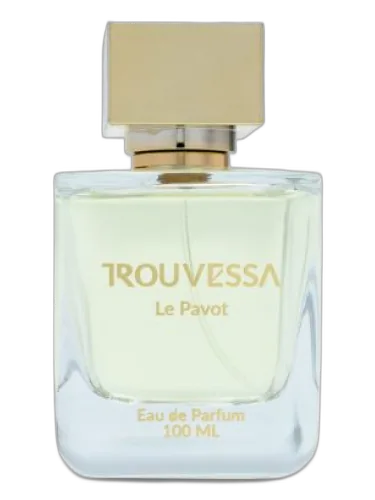
Trouvessa
Le Pavot Trouvessa
Shared top notes: lemon, orange

O Boticário
Malbec Bleu O Boticário
Shared top notes: bergamot

Czech & Speake
Oxford & Cambridge Cologne Czech & Speake
Shared top notes: bergamot
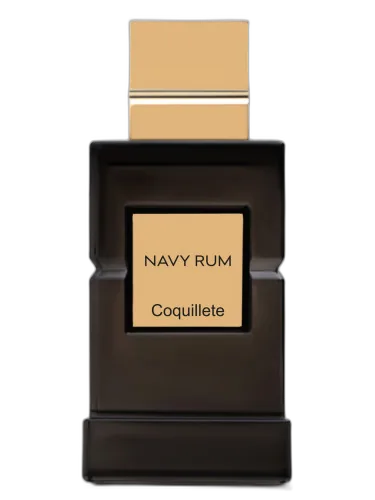
Coquillete
Navy Rum Coquillete
Shared top notes: bergamot, lemon, neroli
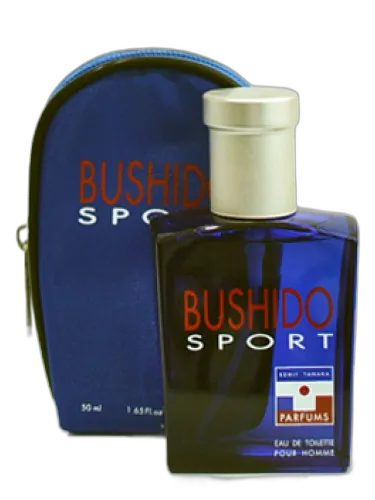
Kenji Tanaka
Bushido Sport Kenji Tanaka
Shared top notes: bergamot