
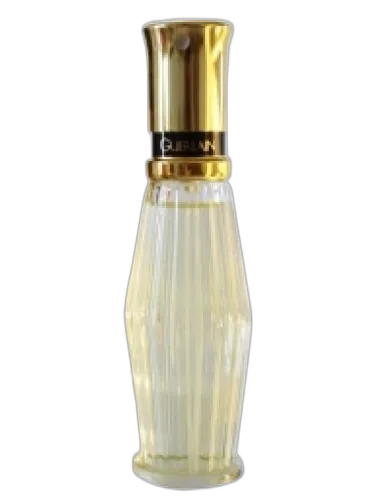

Eau De Verveine Guerlain
At a glance
Is Eau De Verveine Guerlain worth trying?
Eau de Verveine by Guerlain is a Citrus Aromatic fragrance for women and men.
- Best match
- Casual wear in Summer
- Performance feel
- Moderate longevity with Moderate sillage
- Signature profile
- citrus, fresh spicy, green with Lemon Verbena, Citruses, Green Notes
The first impression
Eau de Verveine by Guerlain is a Citrus Aromatic fragrance for women and men. Eau de Verveine was launched during the 1890's. The nose behind this fragrance is Aime Guerlain.
What shapes the scent
The perfumer behind it
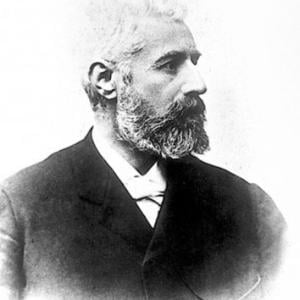
Aime Guerlain
Aimé Guerlain was a pioneering French perfumer and the second generation of the Guerlain family, serving as the house’s chief perfumer in the late 19th and early 20th centuries. He is celebrated for his bold, innovative use of synthetic ingredients, which allowed him to create complex, long-lasting scents that defined modern perfumery. His most famous creation, Jicky, remains a landmark fragrance, while his work on Cuir de Russie and Eau de Cologne du Coq showcased his mastery of both leather and fresh citrus compositions.
Notes pyramid
All Notes
Complete scent profile
 Lemon Verbena
 Citruses
 Green Notes
 Bergamot
 Lime
Lime
 White Pepper
 Cloves
The mood it creates
The Lover Archetype: Portrait of Eau De Verveine Guerlain
Essence
Eau de Verveine by Guerlain is a fragrance of quiet distinction-bright yet grounded, citrusy yet herbal, with the crispness of lemon verbena softened by woody undertones. It does not shout for attention but lingers with subtle confidence. The person who chooses this scent is drawn to clarity, refinement, and a sense of measured elegance. They are not one for excess; their presence is felt in the spaces between words, in the precision of their choices, in the way they cultivate beauty without ostentation.
Style & Aesthetic
Their aesthetic is one of understated elegance. They favor clean lines, natural fabrics, and muted colors-nothing garish, nothing superfluous. Their home is a sanctuary of order and warmth: shelves lined with well-worn books, a single vase of fresh herbs on the table, sunlight filtering through linen curtains. They appreciate craftsmanship, the kind that reveals itself in subtle details rather than loud declarations.
In music, they gravitate toward compositions that balance structure and emotion-perhaps Bach’s mathematical beauty or Debussy’s impressionist fluidity. In literature, they prefer writers who explore the human condition with precision: Borges, Woolf, or Calvino. Their tastes are not elitist but exacting-they know what resonates with them and do not compromise for trends.
Relationships
In love and friendship, they are selective but deeply loyal. They do not form bonds lightly, but once they do, they invest with quiet intensity. They are not the type for grand romantic gestures; instead, they show care through attention to detail-remembering a favorite passage from a book, preparing a meal with thoughtful precision, listening with undivided focus.
Yet, their partners may sometimes long for more spontaneity, more unguarded passion. The Sage’s tendency to observe rather than immerse can create an emotional distance, even if unintentional. They must learn that wisdom is not only in understanding life but in living it fully-sometimes without a map.
Shadow
Their greatest strength is their clarity of thought. They see through illusions, resist dogma, and navigate life with a steady, discerning eye. They are the friend who offers not just sympathy but insight, the one who helps others see their own patterns more clearly. Their presence is calming, like the coolness of lemon verbena on a summer day-refreshing, clarifying.
Yet, the shadow of the Sage is detachment. Their love of analysis can become a retreat from raw emotion. They may intellectualize feelings rather than feel them, distancing themselves from the messiness of human vulnerability. At times, their pursuit of wisdom can border on aloofness, leaving others feeling that they are being studied rather than embraced.
They may also struggle with perfectionism, mistaking knowledge for mastery, forgetting that wisdom is not just in the mind but in the lived experience. Their reluctance to act without certainty can lead to hesitation, a reluctance to step into the unknown.
Conclusion
Their ideal day begins with stillness-morning light, a cup of tea, the slow unfurling of thought. They move through the world with purpose but without hurry, savoring the texture of each moment. They are drawn to places where nature and intellect meet: a quiet library, a sunlit garden, a café where the hum of conversation blends with the clink of porcelain.
They are not driven by ambition in the conventional sense. Their fulfillment comes from deepening rather than accumulating-whether in knowledge, relationships, or personal growth. They measure success not by external validation but by the integrity of their path.
If you like this, try these
Fragrances with a comparable profile - shared accords, notes, and character.
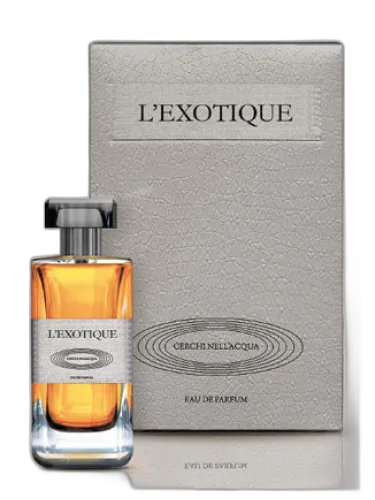
Cerchi Nell’Acqua
L'exotique Cerchi Nell’acqua
Shared top notes: bergamot, green notes
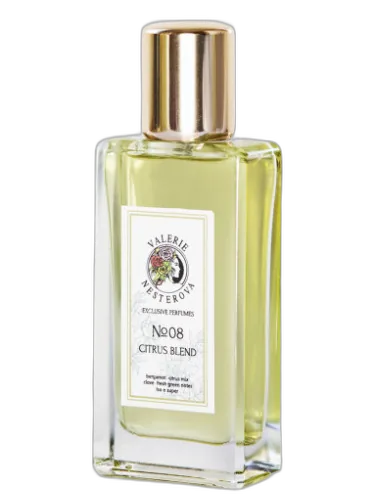
Valerie Nesterova Exclusive Perfumes
Exclusive №08 - Citrus Blend Valerie Nesterova Exclusive Perfumes
Shared top notes: bergamot, citruses, green notes

Eudora
Soul Blue Margarita Twist Frozen Edition Eudora
Shared top notes: citruses
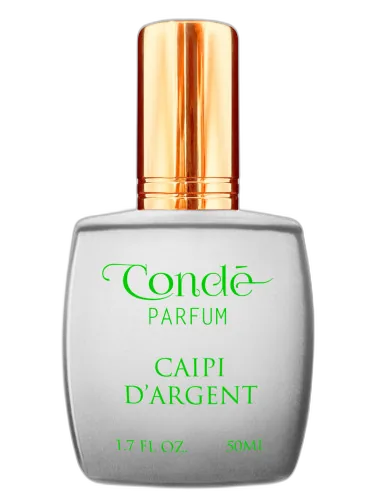
Condé Parfum
Caipi D' Argent Condé Parfum
Shared top notes: bergamot, lemon verbena, lime

Scent of Finland
Kaltio Scent Of Finland
Shared top notes: bergamot, green notes, lime