
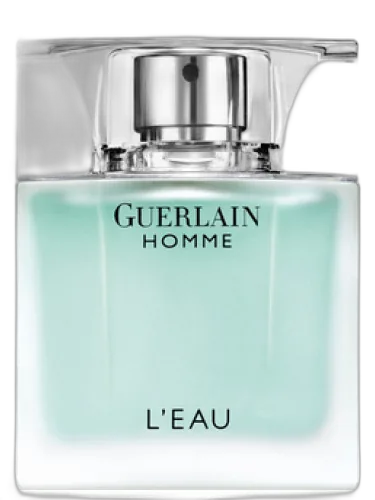

Guerlain Homme L'eau Guerlain
Fragrance Story
Guerlain Homme L'Eau by Guerlain is a Citrus Aromatic fragrance for men. Guerlain Homme L'Eau was launched in 2010. The nose behind this fragrance is Thierry Wasser.
Composition Profile
About the Perfumer
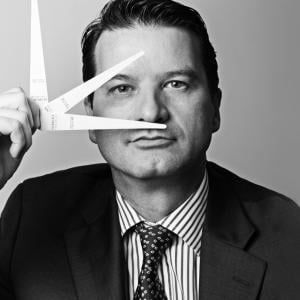
Thierry Wasser
Thierry Wasser is a renowned perfumer whose extensive portfolio includes Angel Schlesser Homme, Aqaba Classic, Bruno Banani Woman, Candie's, Chopard Pour Homme, Dior Addict Eau Fraiche 2004, Emporio Armani Diamonds, and Caline by Grès. He is known for his work with major luxury houses and his ability to create both iconic and niche fragrances. Wasser's style blends classic elegance with modern sensibilities.
Fragrance Notes
All Notes
Complete scent profile
 Lime
Lime
 Mint
Mint
 Grapefruit
 Bergamot
 Rum
Rum
 Geranium
Guerlain Homme L'eau Guerlain by Guerlain offers a distinctive olfactory experience that stands out from other fragrances in its category.
Crafted with the finest ingredients and a blend of traditional and modern perfumery techniques, this fragrance represents the pinnacle of the perfumer's art.
Guerlain Homme L'eau Guerlain embodies the distinctive style of Guerlain while adding a unique chapter to their fragrance portfolio.
Character Profile
The Explorer Archetype: Portrait of Guerlain Homme L'eau Guerlain
Essence
The man who chooses Guerlain Homme L’Eau is not one to be confined. His scent-fresh, crisp, with a hint of rum and mint-betrays a spirit that seeks movement, novelty, and the thrill of the unknown. He is the Explorer, an archetype defined by curiosity, independence, and a relentless pursuit of freedom. Like Ulysses or Zarathustra, he is drawn to the horizon, not out of restlessness, but out of a deep conviction that life is meant to be tasted in all its forms.
Yet, the Explorer is not merely an adventurer; he is a philosopher of experience. He does not wander aimlessly, but with purpose-each journey is a question, each destination an answer. His fragrance, light yet complex, mirrors his nature: seemingly effortless, but layered with intention.
Philosophy & Values
To him, life is an experiment. He is not content with inherited truths or well-trodden paths. His philosophy is one of self-authorship-he believes in carving his own meaning rather than accepting preordained narratives. He reads widely, not to accumulate knowledge, but to challenge his own assumptions. Nietzsche’s words resonate with him: "Become who you are."
His tastes reflect this ethos. He prefers understated elegance-linen shirts, well-worn leather bags, a watch that tells time without announcing status. His style is functional yet refined, avoiding ostentation. He admires craftsmanship, not for its luxury, but for its honesty.
In relationships, he is engaging but guarded. He enjoys deep conversations, yet he resists emotional anchors that might tether him too firmly. He loves intensely, but fleetingly-commitment is not a prison, but it must be on his terms. His friendships are built on mutual respect for autonomy; he despises neediness but values loyalty in those who understand his need for space.
Shadow
Yet, the Explorer’s strength is also his weakness. His relentless pursuit of the new can make him perpetually dissatisfied. No achievement, no relationship, no place ever feels enough-there is always another mountain, another book, another lover. This hunger, while driving him forward, can leave him emotionally rootless.
His independence borders on detachment. He avoids deep emotional entanglements, not out of cruelty, but out of fear-fear that attachment will dull his edge, that love will become a cage. He may rationalize this as freedom, but it is also a defense against vulnerability.
At his worst, he becomes the Wanderer Without Purpose, mistaking motion for meaning. He may grow cynical, dismissing those who seek stability as weak, failing to see that true freedom is not just in movement, but in choosing where-and with whom-to rest.
Conclusion
The man who wears Guerlain Homme L’Eau is neither hero nor rogue-he is a seeker. His life is a series of questions, his scent a whisper of lime and rum, a fleeting reminder that the journey is the destination. He will never be fully known, not even to himself, and perhaps that is the point.
To meet him is to be intrigued, to part from him is to wonder. And that, in the end, is how he prefers it.
Similar Fragrances
Fragrances with a comparable profile - shared accords, notes, and character.
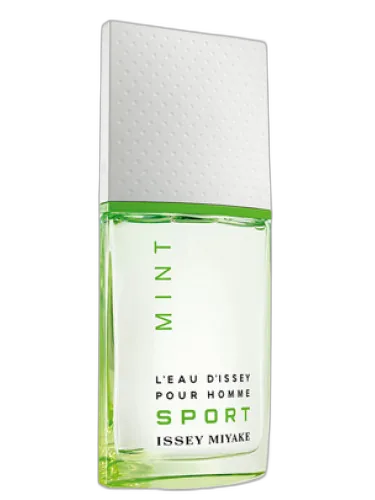
Issey Miyake
L’eau D’issey Pour Homme Sport Mint Issey Miyake
Shared accords: aromatic, citrus, fresh spicy
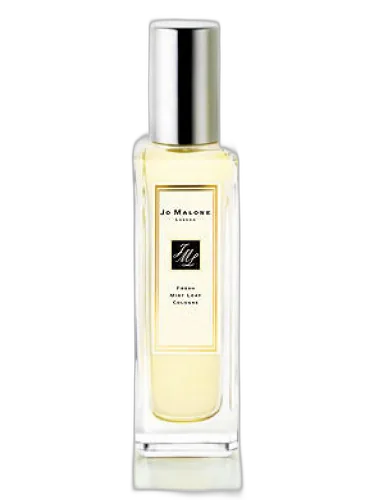
Jo Malone London
Fresh Mint Leaf Jo Malone London
Shared accords: aromatic, citrus, fresh spicy
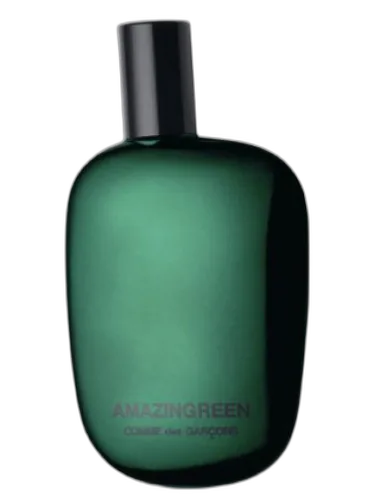
Comme des Garcons
Green Comme Des Garcons
Shared accords: aromatic, citrus, fresh spicy
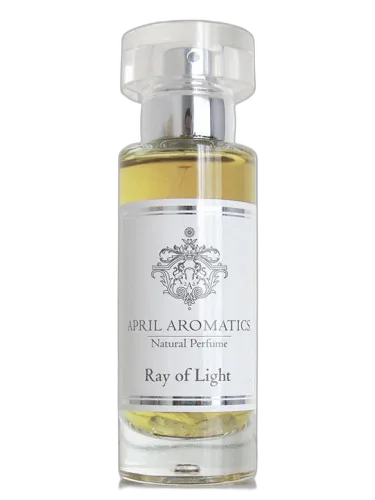
April Aromatics
Ray Of Light April Aromatics
Shared accords: aromatic, citrus, fresh spicy
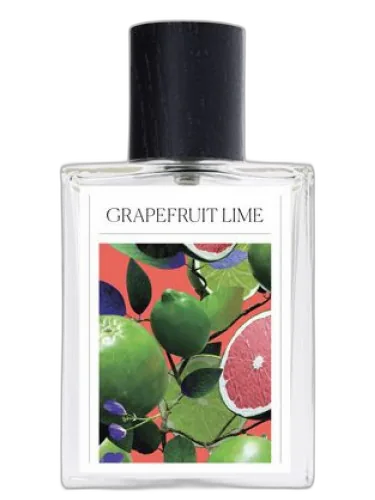
The 7 Virtues
Grapefruit Lime The 7 Virtues
Shared accords: aromatic, citrus, fresh spicy