
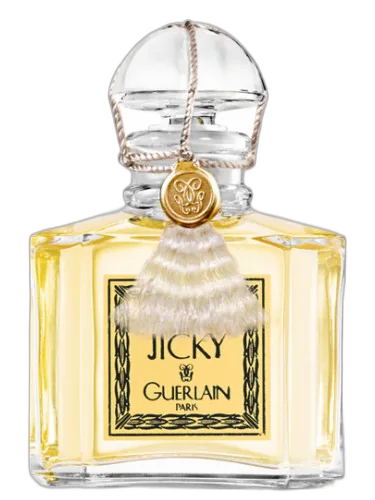

Jicky Guerlain
At a glance
Is Jicky Guerlain worth trying?
Jicky by Guerlain is a Oriental Fougere fragrance for women.
- Best match
- Evening wear in Fall
- Performance feel
- Excellent longevity with Strong sillage
- Signature profile
- aromatic, fresh spicy, citrus with Rosemary, Bergamot, Lemon
The first impression
Jicky by Guerlain is a Oriental Fougere fragrance for women. Jicky was launched in 1889. The nose behind this fragrance is Aime Guerlain. Top notes are Rosemary, Bergamot, Lemon and Mandarin Orange; middle notes are Lavender, Tonka Bean, Orris Root, Basil and Jasmine; base notes are Vanilla, Leather, Spices, Benzoin, Sandalwood, Amber and Brazilian Rosewood.
What shapes the scent
The perfumer behind it
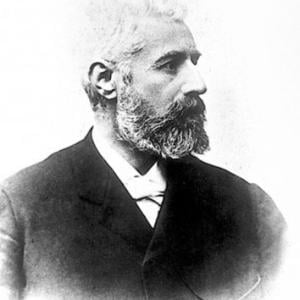
Aime Guerlain
Aimé Guerlain was a pioneering French perfumer and the second generation of the Guerlain family, serving as the house’s chief perfumer in the late 19th and early 20th centuries. He is celebrated for his bold, innovative use of synthetic ingredients, which allowed him to create complex, long-lasting scents that defined modern perfumery. His most famous creation, Jicky, remains a landmark fragrance, while his work on Cuir de Russie and Eau de Cologne du Coq showcased his mastery of both leather and fresh citrus compositions.
Notes pyramid
Top Notes
First impression · 15-30 min
 Rosemary
 Bergamot
 Lemon
Lemon
 Mandarin Orange
Heart Notes
Core character · 2-4 hours
 Lavender
 Tonka Bean
 Orris Root
 Basil
Basil
 Jasmine
Base Notes
Lasting impression · 4+ hours
 Vanilla
 Leather
 Spices
 Benzoin
 Sandalwood
 Amber
Amber
 Brazilian Rosewood
The mood it creates
The Lover Archetype: Portrait of Jicky Guerlain
Essence
The person who cherishes Jicky Guerlain is an Alchemist-one who seeks transformation, depth, and the union of opposites. This fragrance, with its bold interplay of lavender’s crispness and vanilla’s warmth, mirrors their soul: a paradox of intellect and sensuality, tradition and rebellion. They are drawn to the mysterious, the layered, the things that cannot be easily defined. Like the perfume itself-a bridge between classic and avant-garde-they exist in a liminal space, neither fully bound by convention nor entirely unmoored from it.
Style & Aesthetic
Their tastes are refined but never ostentatious. They prefer the weight of history in their choices-antique books, well-worn leather, the patina of time on silver. Yet they are not mere traditionalists; they reinterpret the past, making it relevant. Their home is a sanctuary of curated objects: a first-edition Baudelaire beside a modern abstract painting, a vintage decanter holding an obscure liqueur.
Philosophically, they are drawn to duality-the tension between reason and passion, structure and chaos. They might quote Nietzsche’s "One must still have chaos in oneself to give birth to a dancing star" with quiet conviction. They believe in self-creation, in the alchemical process of refining raw experience into wisdom.
They move through life with a quiet intentionality. Their career is not just a means to an end but an extension of their identity-perhaps as a perfumer, an archivist, a philosopher, or an artist. They thrive in roles that allow them to synthesize ideas, to find hidden connections between disparate things.
They are not materialistic, but they appreciate objects with soul. A well-made fountain pen, a hand-bound journal, a single-malt whisky aged in sherry casks-these are not indulgences but ritual tools, extensions of their inner world.
Relationships
They are magnetic but not easily possessed. Their charm lies in their contradictions-warm yet elusive, deeply perceptive yet guarded. They attract lovers who crave depth, but few can match their intensity. Their relationships are transformative encounters, not mere companionship. To love them is to be pulled into their world of introspection and reinvention.
Yet, their shadow emerges here: they can be too detached, treating intimacy as an experiment rather than a commitment. They may withdraw when emotions become too mundane, seeking the thrill of the unknown over the comfort of the familiar.
Shadow
Their greatest strength-their relentless pursuit of transformation-can become their downfall. In their quest for depth, they may over-intellectualize emotion, turning love into a concept rather than a lived experience. They risk becoming isolated in their own complexity, mistaking solitude for enlightenment.
At their worst, they may grow cynical, dismissing simplicity as naivety. They might scoff at joy that is too easily won, forgetting that not all truths must be unearthed through suffering.
Conclusion
To wear Jicky Guerlain is to embrace a life of layered meaning, where every choice is an act of self-definition. They are neither purely hedonistic nor ascetic; they seek the sublime in the synthesis. Their journey is one of perpetual refinement-distilling experience into essence, turning the mundane into the extraordinary.
Yet they must remember: even the alchemist must sometimes set down the crucible and simply live. The most profound transformations often happen not in solitude, but in the messy, imperfect dance of human connection.
If you like this, try these
Fragrances with a comparable profile - shared accords, notes, and character.
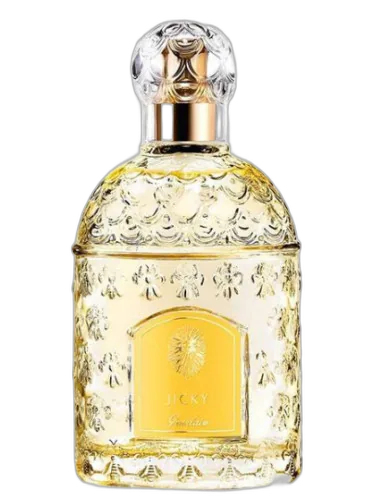
Guerlain
Jicky Eau De Toilette Guerlain
Shared top notes: bergamot, lemon, mandarin orange
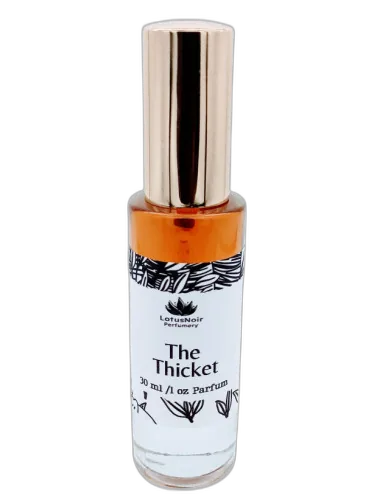
Lotus Noir Perfumery
The Thicket Lotus Noir Perfumery
Shared top notes: bergamot, lemon
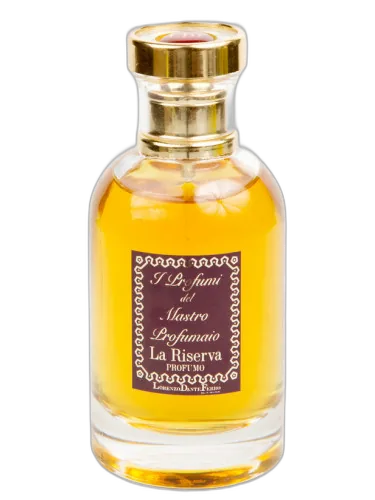
I Profumi del Mastro Profumaio
La Riserva I Profumi Del Mastro Profumaio
Shared top notes: bergamot, mandarin orange, rosemary
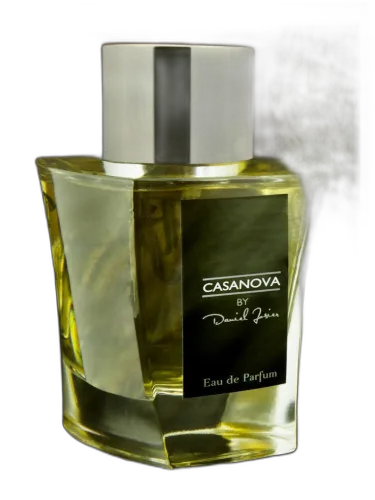
Daniel Josier
Casanova Daniel Josier
Shared top notes: bergamot, lemon, mandarin orange

Natura
Lavanda Envolvente Natura
Shared top notes: bergamot, mandarin orange, rosemary