


Halston Classic Halston
At a glance
Is Halston Classic Halston worth trying?
Halston Classic by Halston is a Chypre Floral fragrance for women.
- Best match
- Evening, Special Occasion wear in Fall, Winter
- Performance feel
- Very Good longevity with Strong sillage
- Signature profile
- woody, aromatic, earthy with Green Leaves, Mint, Melon
The first impression
Halston Classic by Halston is a Chypre Floral fragrance for women. Halston Classic was launched in 1975. The nose behind this fragrance is Bernard Chant. Top notes are Green Leaves, Mint, Melon, Peach and Bergamot; middle notes are Marigold, Carnation, Cedar, Orris Root, Ylang-Ylang, Rose and Jasmine; base notes are Oakmoss, Vetiver, Amber, Incense, Sandalwood, Patchouli and Musk.
What shapes the scent
The perfumer behind it

Bernard Chant
Bernard Chant is a renowned perfumer known for iconic creations such as Aramis, Devin, Gold, and Jhl for Aramis, as well as Aromatics Elixir for Clinique, Imprevu for Coty, and Aliage for Estée Lauder. His work also includes Antonia's Flowers for Antonia's Flowers. Chant's style is marked by bold, complex compositions that have become classics in modern perfumery.
Notes pyramid
Top Notes
First impression · 15-30 min
 Green Leaves
 Mint
Mint
 Melon
Melon
 Peach
Peach
 Bergamot
Heart Notes
Core character · 2-4 hours
 Marigold
 Carnation
 Cedar
Cedar
 Orris Root
 Ylang-Ylang
 Rose
Rose
 Jasmine
Base Notes
Lasting impression · 4+ hours
 Oakmoss
 Vetiver
 Amber
Amber
 Incense
 Sandalwood
 Patchouli
 Musk
Musk
The mood it creates
The Sovereign Archetype: Portrait of Halston Classic Halston
Essence
The person who gravitates toward Halston Classic is one who commands presence without overt force-a ruler of their own domain, whether that be a boardroom, a social circle, or the quiet authority of self-possession. This fragrance, with its bold yet refined blend of green florals, woods, and musk, is not for the timid. It speaks of confidence, of a life lived with deliberate elegance. The Sovereign archetype fits them perfectly: they are the natural leader, the one who sets standards, who exudes an effortless magnetism.
Yet, the Sovereign is not merely about power-it is about responsibility. They do not seek dominance for its own sake but because they believe in order, in excellence, in the idea that someone must steer the ship. Their philosophy is one of measured control: life is best when curated, when each choice-from the clothes they wear to the company they keep-reflects their vision of what is worthy.
Style & Aesthetic
Their aesthetic is polished but never ostentatious. They favor clean lines, tailored silhouettes, and muted luxury-think cashmere sweaters, well-cut blazers, and understatement in jewelry. Their home is a sanctuary of balance: mid-century modern furniture, carefully selected art, and an absence of clutter. They do not chase trends but instead cultivate a timeless sensibility.
In relationships, they are selective. They do not suffer fools gladly, yet those who earn their trust find a fiercely loyal companion. They value intelligence, wit, and self-assurance in others-qualities they see as reflections of their own. Romantic partners are drawn to their quiet intensity, though some may chafe under their high expectations. Friendships are built on mutual respect; they have little patience for idle gossip or emotional neediness.
Shadow
Yet, like all archetypes, the Sovereign has a shadow. Their strength can harden into rigidity; their confidence may slip into arrogance. They may mistake their own tastes for universal truths, dismissing those who do not meet their standards as lesser. Their need for order can become oppressive-both to themselves and to those around them.
There is also the danger of isolation. The Sovereign does not easily admit vulnerability, and this emotional restraint can leave them lonely even in a crowd. They may mistake admiration for intimacy, never quite allowing others to see the doubts they privately wrestle with.
Conclusion
The one who wears Halston Classic is both admired and misunderstood. They are the steady hand in chaos, the one others look to for direction-yet they too must learn when to relinquish control. Their greatest challenge is not in maintaining their authority but in recognizing when to soften, when to let life unfold without their intervention.
They are not cruel, nor are they cold-merely disciplined. And in that discipline lies both their power and their limitation. To evolve, they must learn that true sovereignty is not just about ruling but also about knowing when to yield.
If you like this, try these
Fragrances with a comparable profile - shared accords, notes, and character.

Clinique
Aromatics Elixir Clinique
Shared top notes: bergamot
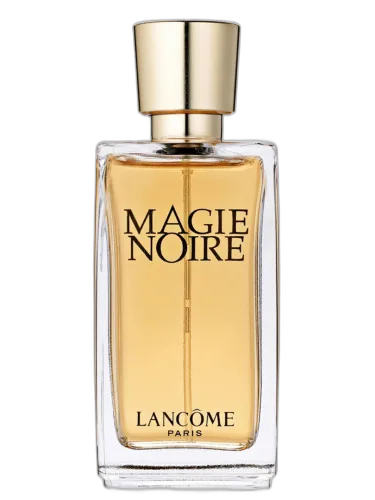
Lancôme
Magie Noire Lancôme
Shared top notes: bergamot

La Perla
La Perla La Perla
Shared top notes: bergamot
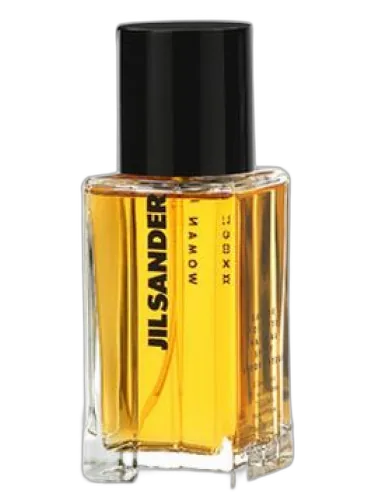
Jil Sander
Jil Sander Woman Iii Jil Sander
Shared top notes: bergamot
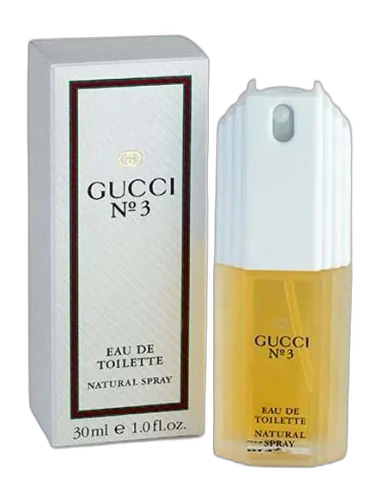
Gucci
Gucci No 3 Eau De Toilette Gucci
Shared top notes: bergamot, green leaves