
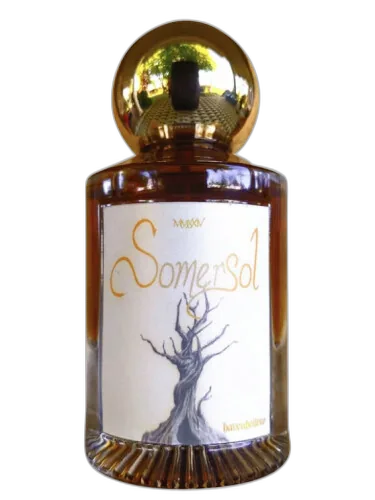

Somersol Havenhollow
At a glance
Is Somersol Havenhollow worth trying?
Somersol by Havenhollow is a fragrance for women and men.
- Best match
- Casual wear in Summer
- Performance feel
- Good longevity with Moderate sillage
- Signature profile
- woody, sweet, powdery with Massoia, Barley, Bran
The first impression
Somersol by Havenhollow is a fragrance for women and men. This is a new fragrance. Somersol was launched in 2024. The nose behind this fragrance is Eric Valentino.
What shapes the scent
The perfumer behind it

Eric Valentino
Eric Valentino is a perfumer known for his work with the Havenhollow brand, where he has created a diverse range of fragrances. His portfolio includes Anachronism, Bramblesap, Burniss, Cochise, Eiverwold, Hearthmoor, and Somersol. Valentino's compositions often draw inspiration from natural landscapes and atmospheric elements, blending earthy and woody notes with subtle sweetness.
Notes pyramid
All Notes
Complete scent profile
 Massoia
 Barley
 Bran
Bran
 Sweet Grass
 Sandalwood
 Coconut
 Straw
Straw
 Iris
Iris
 Narcissus
 Ambergris
 Vanilla
 Citron
 Apple
Apple
 Cocoa
Cocoa
 Musk
Musk
 Benzoin
 Cypress
 Bark
Bark
The mood it creates
The Sage Archetype: Portrait of Somersol Havenhollow
Essence
To wear Somersol Havenhollow is to embrace the quiet rebellion of the introspective soul. This fragrance-cool yet warm, distant yet inviting-belongs to one who walks the liminal spaces between thought and feeling, solitude and connection. Their archetype is unmistakable: The Sage. Not the rigid academic, nor the dogmatic philosopher, but the seeker who finds wisdom in the whisper of leaves, the scent of damp earth after rain, the slow unfurling of time.
Shadow
Yet the Sage is not without their burdens. Their greatest strength-their mind-can become a labyrinth from which they struggle to escape. They are prone to analysis paralysis, turning every decision into a philosophical debate with themselves. At times, their love for solitude curdles into isolation, a self-imposed exile from the messiness of human connection.
They may also fall into the trap of intellectual pride, dismissing emotions as irrational or viewing those who live impulsively with quiet condescension. Their pursuit of wisdom can become a shield against vulnerability, a way to avoid the raw, uncharted territories of the heart.
Conclusion
Their tastes are refined but never ostentatious. They prefer the muted elegance of linen and wool, the kind of clothing that feels lived-in, as though it has absorbed years of contemplation. Their home is a sanctuary of books, dried botanicals, and well-worn leather chairs-spaces that invite lingering thought rather than hasty conversation. They are drawn to art that suggests rather than declares: impressionist brushstrokes, ambient music, poetry that leaves room for the unsaid.
Philosophy is not an abstract exercise for them but a way of being. They believe in the sovereignty of the individual mind, yet they are not arrogant in their solitude. Their wisdom is soft-spoken, offered only when sought. They value depth over speed, silence over noise, and the kind of truth that reveals itself slowly, like dawn breaking over a misty field.
In relationships, they are the steady presence, the listener who asks the right question at the right moment. They do not crave crowds, but the few they let in find a loyalty that is unwavering. Their love is patient, like the roots of an ancient tree-firmly grounded, yet always growing.
If you like this, try these
Fragrances with a comparable profile - shared accords, notes, and character.
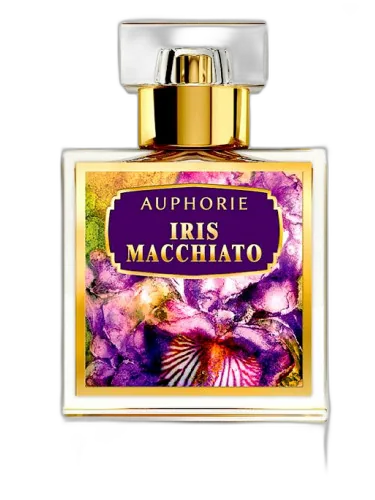
Auphorie
Iris Macchiato Auphorie
Shared top notes: benzoin, iris, musk
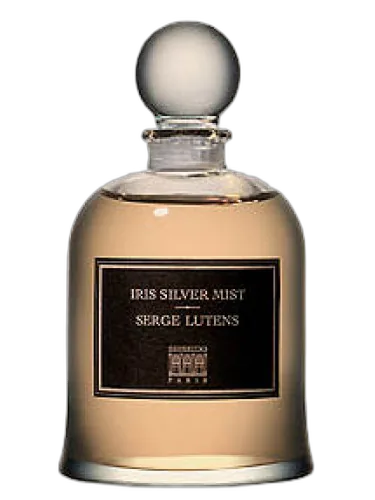
Serge Lutens
Iris Silver Mist Serge Lutens
Shared top notes: benzoin, iris, musk

Serge Lutens
Iris Silver Mist Edition Limitée 2004 Serge Lutens
Shared top notes: benzoin, iris, musk

Alchemic Muse
Beach Bonfire Alchemic Muse
Shared top notes: coconut, sandalwood, vanilla
Anna Zworykina Perfumes
Creamy Sandal Anna Zworykina Perfumes
Shared top notes: iris, sandalwood, vanilla