


Source Joyeuse No3 Hayari Parfums
At a glance
Is Source Joyeuse No3 Hayari Parfums worth trying?
Source Joyeuse No3 by Hayari Parfums is a Floral Fruity fragrance for women and men.
- Best match
- Evening wear in Spring
- Performance feel
- Good longevity with Moderate sillage
- Signature profile
- fruity, sweet, green with Lemon, Rhubarb, Bitter Orange
The first impression
Source Joyeuse No3 by Hayari Parfums is a Floral Fruity fragrance for women and men. Source Joyeuse No3 was launched in 2017. Top notes are Lemon, Rhubarb, Bitter Orange and Saffron; middle notes are Fig, Sweet Almond and Immortelle; base notes are Black Currant Blossom, Black currant leaf, Musk and Cedar.
What shapes the scent
The perfumer behind it

Nezar Hayari
Nezar Hayari is a perfumer known for luxurious and expressive fragrances that celebrate opulence and artistry. His creations often feature rich, vibrant notes that evoke a sense of joy and sophistication. He has a talent for blending bold accords with subtle nuances, resulting in scents that feel both grand and intimate. His work continues to inspire with its elegance and depth.
Notes pyramid
Top Notes
First impression · 15-30 min
 Lemon
Lemon
 Rhubarb
 Bitter Orange
 Saffron
Heart Notes
Core character · 2-4 hours
 Fig
Fig
 Sweet Almond
 Immortelle
Base Notes
Lasting impression · 4+ hours
 Black Currant Blossom
 Black currant leaf
 Musk
Musk
 Cedar
Cedar
The mood it creates
The Lover Archetype: Portrait of Source Joyeuse No3 Hayari Parfums
Essence
The person who cherishes Source Joyeuse No3 by Hayari Parfums is, at their core, a Lover-one of Jung’s most sensual and life-affirming archetypes. They are drawn to beauty in all its forms, seeking pleasure not as mere indulgence but as a sacred act of existence. The fragrance itself-a blend of citrus, floral, and woody notes-mirrors their personality: vibrant yet grounded, effervescent yet enduring.
They do not merely wear perfume; they embody it. The scent is an extension of their philosophy: life must be tasted, touched, and deeply felt. They reject asceticism, seeing it as a denial of the senses, yet they are not mere pleasure-seekers. Their hedonism is refined, almost philosophical-a deliberate choice to embrace the richness of experience.
Philosophy & Values
They live by a simple creed: To feel is to be alive. They do not seek answers in dogma or rigid systems but in the immediacy of experience. Their spirituality is sensual-a sunset can be a prayer, a lover’s touch a sacrament. They are not afraid of decadence, for they understand that restraint, when self-imposed, is just another form of indulgence.
Yet they are not naive. They know that beauty is fleeting, that joy is often intertwined with sorrow. This knowledge does not paralyze them; it sharpens their appreciation. They do not cling to moments-they savor them, then let them go.
Shadow
Yet, like all archetypes, the Lover has their darkness. Their pursuit of pleasure can tip into escapism-a refusal to face the mundane or the painful. They may drown sorrow in sensory excess, mistaking intoxication for transcendence. At their worst, they become restless, unable to commit to anything (or anyone) for long, always fearing they will miss out on something greater.
There is also a subtle vanity in their aestheticism. They may judge others harshly for lacking refinement, mistaking taste for virtue. Their disdain for the ordinary can isolate them, leaving them surrounded by beauty but starved of genuine connection.
Conclusion
Their tastes are cultivated but never pretentious. They prefer the tactile luxury of aged paper in a book, the slow burn of a well-aged whiskey, the warmth of sunlight on bare skin. They surround themselves with objects that reward attention-antique furniture with intricate carvings, handwoven textiles, art that demands contemplation. Their home is not a showroom but a sanctuary, each piece chosen for its ability to evoke emotion.
In relationships, they are magnetic, drawing others in with an effortless charm. They love deeply, though sometimes fleetingly, for their heart is restless in its search for beauty. They are not cruel in their affections, but they are transient-always chasing the next spark of connection. Their lovers remember them long after they’ve moved on, haunted by the lingering trace of Source Joyeuse No3 on their skin.
If you like this, try these
Fragrances with a comparable profile - shared accords, notes, and character.

UNTAMED
My Greek Lover Untamed
Shared top notes: bitter orange, lemon

Dossier
Citrus Matcha Dossier
Shared top notes: bitter orange

Pacha Ibiza
24/7 So Cool Her Pacha Ibiza
Shared top notes: bitter orange, lemon
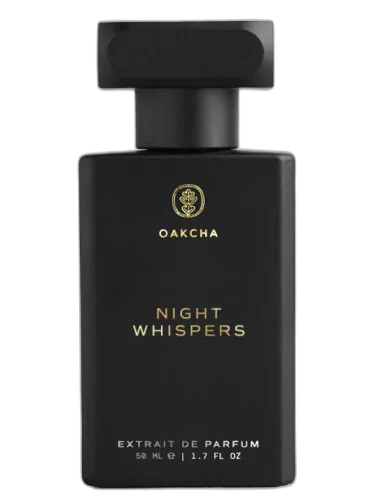
Oakcha
Night Whispers Oakcha
Shared top notes: bitter orange
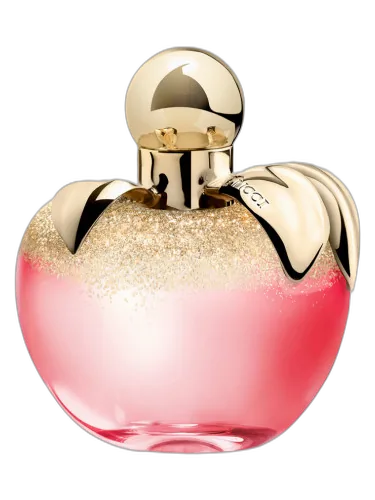
Nina Ricci
Nina Holiday Edition 2019 Nina Ricci
Shared top notes: lemon