
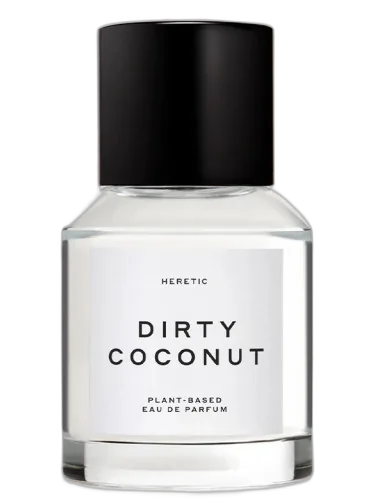

Dirty Coconut Heretic Parfum
At a glance
Is Dirty Coconut Heretic Parfum worth trying?
Dirty Coconut by Heretic Parfum is a Aromatic Fruity fragrance for women and men.
- Best match
- Evening wear in Summer
- Performance feel
- Good longevity with Moderate sillage
- Signature profile
- coconut, vanilla, sweet with Vanillin, Cedar, Coconut
The first impression
Dirty Coconut by Heretic Parfum is a Aromatic Fruity fragrance for women and men. Dirty Coconut was launched in 2021. The nose behind this fragrance is Douglas Little. Top notes are Vanillin and Cedar; middle notes are Coconut and CO2 Extracts; base notes are Vanilla Absolute, Sandalwood and Ambretone.
What shapes the scent
The perfumer behind it

Douglas Little
Douglas Little is a perfumer and founder of Heretic Parfum, known for his unconventional and provocative creations. He has developed fragrances for Goop, including Edition 01 and This Smells Like My Vagina. His portfolio also includes scents like Bergamusk, Black Currant Rose, and Dirty Amber for Heretic Parfum. Little's work often challenges traditional perfume norms with bold, natural ingredients.
Notes pyramid
Top Notes
First impression · 15-30 min
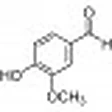 Vanillin
 Cedar
Cedar
Heart Notes
Core character · 2-4 hours
 Coconut
 CO2 Extracts
Base Notes
Lasting impression · 4+ hours
 Vanilla Absolute
 Sandalwood
 Ambretone
The mood it creates
The Dirty Coconut Devotee Archetype: Portrait of Dirty Coconut Heretic Parfum
Essence
The person who gravitates toward Dirty Coconut Heretic Parfum is ruled by the Enchantress archetype-a figure of magnetic allure, primal sensuality, and deliberate mystique. This is not the naive maiden nor the matronly caretaker, but the one who commands attention through paradox: warmth and danger, sweetness and decay. The coconut in this fragrance is not the cloying tropical cliché but something darker, salt-licked, almost feral-an invitation wrapped in a warning.
Like all archetypes, the Enchantress has her shadow. When unbalanced, she slips into manipulation, indulgence, or a hollow performance of seduction. Yet at her best, she embodies the power of transformation-both in herself and in those who dare to draw near.
Relationships
She does not love carelessly, but neither does she love safely. Her relationships are intense, often short-lived, and always transformative. She is drawn to those who can match her depth without suffocating her fire. Lovers remember her long after she’s gone-not because she was cruel, but because she left them altered. Some call her a muse; others, a tempest. Both are true.
Friendship with her is a rare gift. She has little patience for small talk or social niceties, but those who earn her trust find a fiercely loyal confidante. She listens with an almost unsettling focus, as if peeling back layers with her silence alone. Yet she guards her own vulnerabilities closely, revealing them only in fragments.
Shadow
Her tastes are an exercise in controlled contradiction. She prefers the raw over the refined, the slightly off-kilter over the predictable. In music, she leans toward sultry jazz or moody trip-hop-anything that pulses with a slow, hypnotic rhythm. Her wardrobe is a mix of luxe minimalism and deliberate dishevelment: a silk slip dress paired with scuffed leather boots, or a tailored blazer thrown over a swimsuit. She is drawn to places where indulgence and decay meet-dimly lit cocktail bars, abandoned beach houses, cities at dusk.
Philosophically, she rejects the binary of purity and corruption. Life, to her, is neither wholly sacred nor profane but a dance between the two. She does not seek transcendence so much as immersion-in pleasure, in sensation, in the fleeting beauty of things that cannot last. Her values are rooted in autonomy; she refuses to be anyone’s fantasy unless it is on her own terms.
The Enchantress’s greatest weakness is her own allure. There is a danger in being too aware of one’s power-a temptation to wield it carelessly, to reduce others to mere players in her narrative. At times, she may slip into performative mystery, becoming more symbol than person. When this happens, her authenticity erodes, leaving only the ghost of a persona.
Another shadow is her restlessness. She thrives on novelty, on the thrill of the unknown, but this can make commitment-to people, places, even herself-feel like a cage. Without roots, she risks becoming untethered, a wanderer who forgets her own destination.
Conclusion
When she is at her best, she is neither predator nor prey but a sovereign force. She understands that true power lies not in domination but in the ability to awaken something dormant in others-desire, courage, self-awareness. She does not fear her own complexity, nor does she apologize for it.
Her life is not one of eternal bliss but of deep, sometimes bruising, aliveness. She knows that beauty and decay are intertwined, that the sweetest coconut carries the scent of salt and earth. And in this knowing, she finds her freedom.
If you like this, try these
Fragrances with a comparable profile - shared accords, notes, and character.
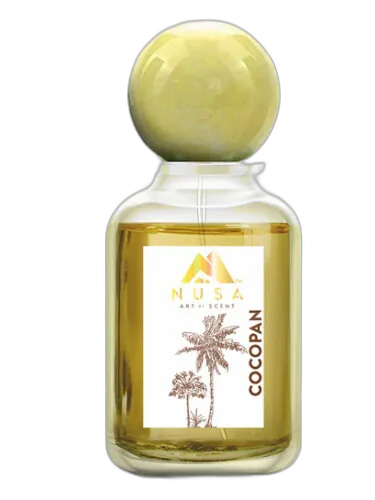
Nusa Art Of Scent
Cocopan Nusa Art Of Scent
Shared heart notes: coconut
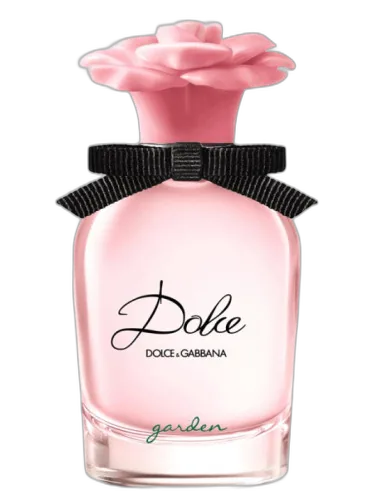
Dolce&Gabbana
Dolce Garden Dolce&gabbana
Shared heart notes: coconut
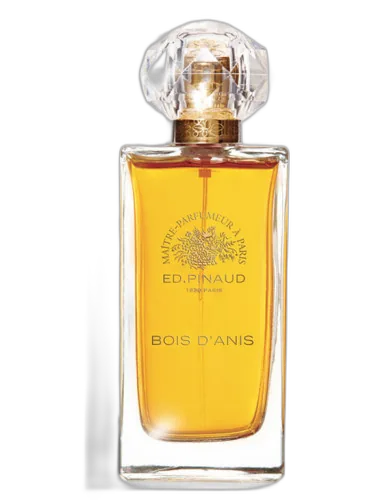
Ed Pinaud
Bois D'anis Ed Pinaud
Shared top notes: cedar
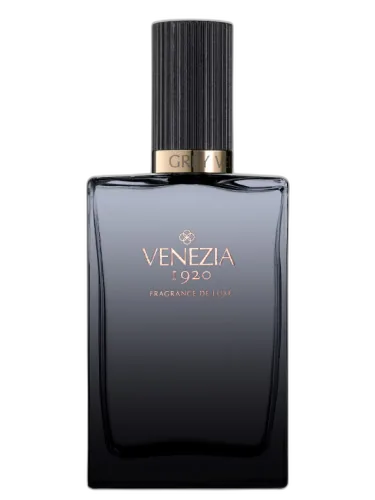
Venezia 1920
Grey Velvet Venezia 1920
Shared heart notes: coconut
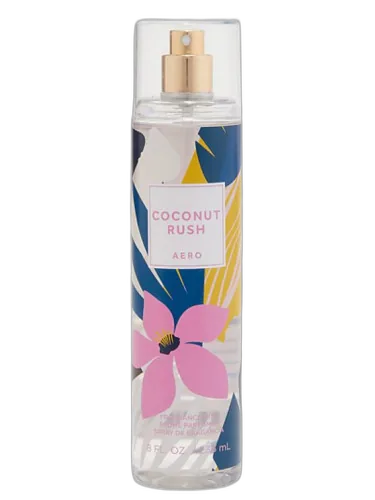
Aéropostale
Coconut Rush Aéropostale
Shared heart notes: coconut