
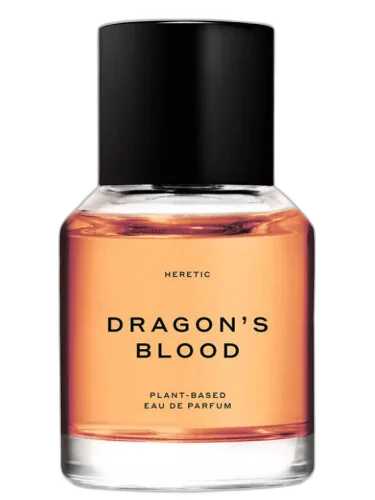

Dragon's Blood Heretic Parfum
Fragrance Story
Dragon's Blood by Heretic Parfum is a Oriental Woody fragrance for women and men. This is a new fragrance. Dragon's Blood was launched in 2024. The nose behind this fragrance is Douglas Little. Top notes are Frankincense, Cedar, Coriander and Palisander Rosewood; middle notes are May Rose and Dragon Blood Resin; base notes are Patchouli, Benzoin and Oud.
Composition Profile
About the Perfumer

Douglas Little
Douglas Little is a perfumer and founder of Heretic Parfum, known for his unconventional and provocative creations. He has developed fragrances for Goop, including Edition 01 and This Smells Like My Vagina. His portfolio also includes scents like Bergamusk, Black Currant Rose, and Dirty Amber for Heretic Parfum. Little's work often challenges traditional perfume norms with bold, natural ingredients.
Fragrance Notes
Top Notes
First impression · 15-30 min
 Frankincense
 Cedar
Cedar
 Coriander
 Palisander Rosewood
Heart Notes
Core character · 2-4 hours
May Rose
 Dragon Blood Resin
Base Notes
Lasting impression · 4+ hours
 Patchouli
 Benzoin
Oud
Benzoin
Oud
Character Profile
The Alchemist Archetype: Portrait of Dragon's Blood Heretic Parfum
Essence
To wear Dragon’s Blood Heretic Parfum is to declare oneself a seeker of the hidden, the mystical, and the transformative. This fragrance-dark, resinous, smoky, with an undercurrent of forbidden sweetness-is not for the passive or the conventional. Its wearer is an Alchemist, one who transmutes the raw materials of life into something greater, who walks the line between creation and destruction, wisdom and obsession.
The Alchemist is defined by their relentless pursuit of transformation-not just of the self, but of the world around them. They are drawn to the esoteric, the arcane, the things that lie just beyond the grasp of ordinary perception. Their mind is a crucible, always distilling experience into meaning, always searching for the philosopher’s stone-the secret that will unlock the next stage of their evolution.
They are not content with surface-level truths. Their philosophy is one of depth and synthesis, weaving together strands of mysticism, science, and art. They may be drawn to occult symbolism, alchemical texts, or fringe philosophies, not out of mere eccentricity, but because they sense that reality is more malleable than most believe.
Style & Aesthetic
The Alchemist’s tastes are rich, layered, and deliberately enigmatic. Their wardrobe leans toward the dramatic-dark fabrics, intricate textures, perhaps a hint of the medieval or the ceremonial. They favor jewelry with symbolic weight: talismans, sigils, or stones believed to hold power. Their home is a sanctuary of curiosities-antique books, strange artifacts, candles that burn long into the night.
They consume art that challenges, that demands interpretation-surrealist paintings, avant-garde music, poetry dense with metaphor. They are not interested in entertainment for its own sake; they seek works that stir the subconscious, that whisper of hidden truths.
Philosophy & Values
The Alchemist believes in the power of will and the necessity of metamorphosis. They see life as a series of initiations, each requiring sacrifice, each leading to a higher state of being. They value knowledge, but not for its own sake-only as a tool for transformation.
Their morality is fluid, shaped by their pursuit of the sublime. They may reject conventional ethics, not out of malice, but because they operate on a different axis-one where ends justify means, where destruction is sometimes necessary for rebirth. This can make them dangerously persuasive, capable of justifying actions that others would deem immoral.
Relationships
The Alchemist does not form casual bonds. Their relationships are intense, catalytic, and often fraught with power dynamics. They attract those who crave transformation, who long to be remade-but they are not gentle guides. They provoke, challenge, sometimes even destabilize those they care about, believing that true growth requires rupture.
Romantically, they are magnetic but elusive. They seek a partner who can match their depth, who is unafraid of the shadows. Yet their fear of stagnation can make them restless-always searching for the next alchemical reaction, the next spark of transcendence.
Shadow
The Alchemist’s greatest strength is also their greatest flaw: their refusal to accept limits. When unbalanced, they become dogmatic, convinced of their own superiority. They may dismiss those who do not share their vision as "unenlightened," falling into spiritual arrogance.
Their obsession with transformation can lead to self-destruction-burning through relationships, careers, or health in pursuit of an elusive ideal. They may become manipulative, seeing others as mere ingredients in their grand experiment rather than as autonomous beings.
Conclusion
The Alchemist stands at a crossroads: they can either refine their wisdom into true mastery or succumb to the hubris of the unbound seeker. If they learn humility-if they recognize that not all things need to be transmuted, that some truths are found in stillness-they become true sages, guiding others without force.
But if they refuse to temper their fire, they risk becoming a heretic in the worst sense-one who destroys without creating, who seeks power without purpose.
In the end, the Dragon’s Blood wearer is neither saint nor demon, but a force of change. Whether they become a beacon or a wildfire depends on whether they learn the final alchemy: the balance between transformation and acceptance.
Similar Fragrances
Fragrances with a comparable profile - shared accords, notes, and character.
Heretic Parfum
Dragon's Blood Heretic Parfum
Shared accords: amber, aromatic, balsamic
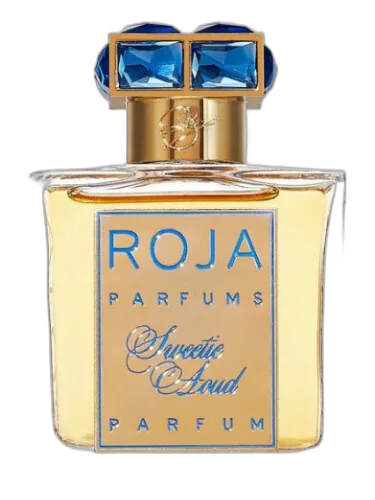
Roja Dove
Sweetie Aoud Roja Dove
Shared accords: amber, aromatic, balsamic
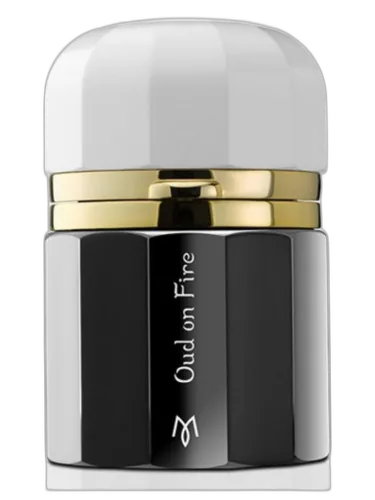
Ramon Monegal
Oud On Fire Ramon Monegal
Shared accords: amber, aromatic, fresh spicy
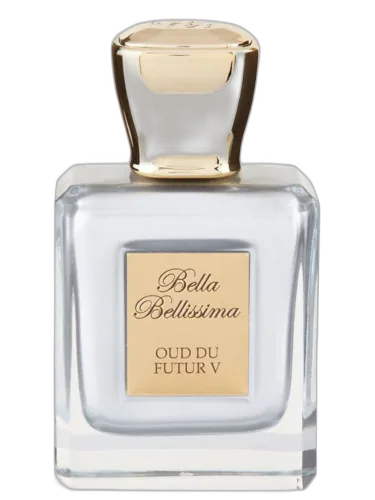
Bella Bellissima
Oud Du Futur V Bella Bellissima
Shared accords: aromatic, balsamic, fresh spicy
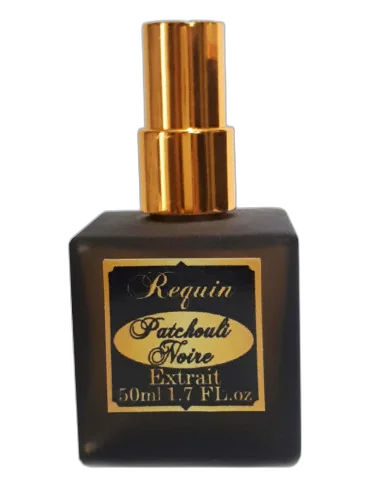
Requin
Patchouli Noire Requin
Shared accords: amber, aromatic, balsamic