
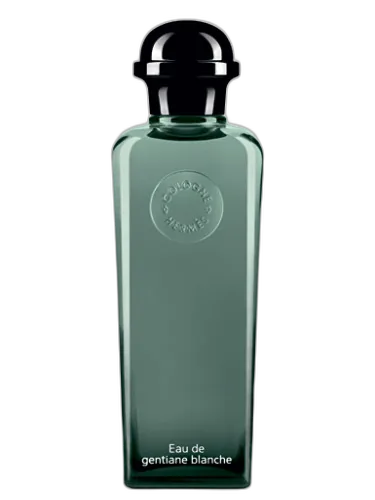
Eau De Gentiane Blanche Hermès
Fragrance Story
Eau de Gentiane Blanche by Hermès is a Aromatic fragrance for women and men. Eau de Gentiane Blanche was launched in 2009. The nose behind this fragrance is Jean-Claude Ellena.
Composition Profile
About the Perfumer

Jean-Claude Ellena
Jean-Claude Ellena is a renowned French perfumer who served as in-house perfumer for Hermès and has created iconic fragrances for many houses. His catalog includes Dia Woman for Amouage, Declaration for Cartier, and Bvlgari Eau Parfumee Au The Vert. He also composed Musc & Jasmin for 100 Bon and Rumba for Balenciaga, demonstrating his minimalist and transparent style.
Fragrance Notes
All Notes
Complete scent profile
 Gentiana
 Iris
Iris
 Musk
Musk
 Incense
Character Profile
The Eau De Gentiane Blanche We Archetype: Portrait of Eau De Gentiane Blanche Hermès
Essence
This person is most closely aligned with the Sage, an archetype defined by introspection, wisdom, and a quiet but profound presence. The Sage seeks truth not in grand declarations but in subtle, almost imperceptible revelations. They are drawn to the understated elegance of Eau De Gentiane Blanche-a fragrance that is cool, mineralic, and slightly bitter, like a mountain stream cutting through stone. It does not announce itself; it simply is, revealing its complexity only to those who take the time to notice.
Relationships
They do not surround themselves with many people, but those they allow into their inner circle are chosen with precision. Their friendships are deep, enduring, but often marked by long silences-they do not fear distance, knowing that true connection does not require constant affirmation. In love, they are slow to open, but once committed, they are fiercely loyal. Their partner must understand their need for solitude, their occasional retreats into the inner sanctum of their mind.
Romantically, they are drawn to those who possess a quiet strength, who do not demand but invite closeness. Their love is not possessive; it is a shared solitude, two people existing in parallel, occasionally intersecting in moments of profound intimacy.
Shadow
Yet, for all their wisdom, the Sage has a shadow-the Reclusive Critic. Their detachment, while a strength, can curdle into aloofness. They may withdraw too far, mistaking isolation for enlightenment. Their sharp perception can turn into judgment, a quiet disdain for those who live more loudly, more superficially. They may pride themselves on their depth, but this pride can harden into arrogance, a belief that they alone see the world clearly.
At their worst, they become the observer who never participates, the thinker who never acts. Their pursuit of wisdom can become an excuse for inaction, a way to avoid the messiness of real engagement. They may dismiss passion as folly, forgetting that even the most profound truths must sometimes be lived, not merely contemplated.
Conclusion
Their tastes are minimalist but deliberate. They prefer muted colors-soft grays, pale blues, the quiet warmth of unfinished wood-and their home is an exercise in restraint. Every object has been chosen with care, not for status but for its ability to evoke stillness. They might collect rare books, not first editions for show, but well-worn volumes of philosophy or obscure poetry. Their wardrobe is understated, favoring natural fabrics and clean lines, as if they wish to disappear into the background while still maintaining an air of quiet distinction.
Philosophically, they are drawn to thinkers like Marcus Aurelius or Lao Tzu-those who speak of detachment, of observing without attachment. They do not chase happiness; they seek understanding. Their values are rooted in authenticity, in the belief that truth is found in silence rather than in noise. They are not religious in a conventional sense, but they have a reverence for the sacred in the mundane-the way light falls through a window, the scent of rain on dry earth.
Similar Fragrances
Fragrances with a comparable profile - shared accords, notes, and character.
Hermès
Eau De Gentiane Blanche Hermès
Shared accords: amber, balsamic, earthy

Essensitive
Panarea Essensitive
Shared accords: amber, balsamic, earthy
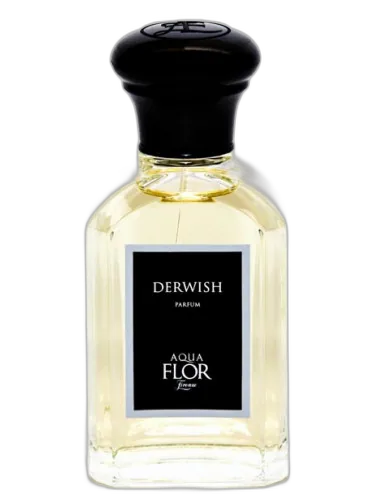
Aquaflor Firenze
Derwish Aquaflor Firenze
Shared accords: amber, balsamic, floral
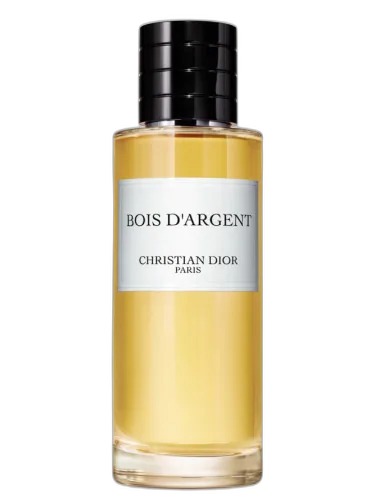
Dior
Bois D'argent Dior
Shared accords: amber, balsamic, earthy

Héritage Berbère
Iris Extreme Héritage Berbère
Shared accords: amber, balsamic, earthy