
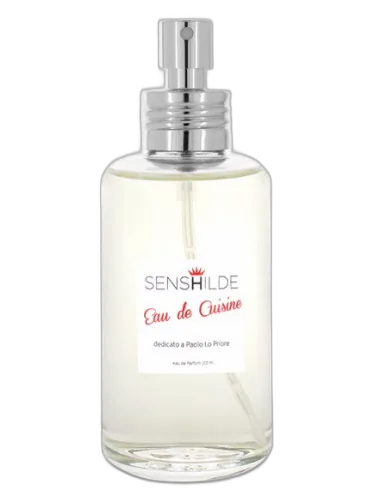

Eau De Cuisine Hilde Soliani
At a glance
Is Eau De Cuisine Hilde Soliani worth trying?
Eau de Cuisine by Hilde Soliani is a fragrance for women and men.
- Best match
- Special Occasion wear in Winter
- Performance feel
- Moderate longevity with Moderate sillage
- Signature profile
- animalic, savory, marine with Fish, Cheese, Anise
The first impression
Eau de Cuisine by Hilde Soliani is a fragrance for women and men. Eau de Cuisine was launched in 2019. The nose behind this fragrance is Hilde Soliani.
What shapes the scent
The perfumer behind it

Hilde Soliani
Hilde Soliani is an Italian perfumer who founded her namesake brand, Hilde Soliani. Her fragrances, such as 24-09-11, Acquiilssssima, and Amore, often explore gourmand and floral themes with a playful, artistic touch. Soliani’s work is known for its creativity and emotional depth, reflecting her background in art and design.
Notes pyramid
All Notes
Complete scent profile
 Fish
Fish
 Cheese
 Anise
Anise
 Chestnut
The mood it creates
The Alchemist Archetype: Portrait of Eau De Cuisine Hilde Soliani
Essence
The person who cherishes Eau De Cuisine Hilde Soliani is, above all, a Creator-an alchemist of the senses who transforms the mundane into the extraordinary. This fragrance, with its playful yet profound evocation of kitchen spices, burnt sugar, and warm butter, speaks to someone who sees life as a canvas for experimentation. They are not merely a consumer of beauty but an active participant in its making, whether through cooking, art, or the curation of their own existence.
Like all Creators, they are driven by the need to leave an imprint on the world, to shape reality rather than merely inhabit it. Yet, as with any archetype, there is a shadow-an obsessive perfectionism, a tendency to lose themselves in the act of creation, sometimes at the expense of connection or practicality.
Style & Aesthetic
Their tastes are tactile, nostalgic, and deeply sensory. They prefer the worn leather of a well-loved cookbook to the sterile gloss of a new gadget, the irregular glaze of handmade ceramics to mass-produced symmetry. Their home is a carefully orchestrated chaos-spice jars lined up like potions, a wooden cutting board scarred from use, a bookshelf where recipes mingle with poetry.
They are drawn to fragrances that tell stories, scents that evoke memory rather than mere allure. Eau De Cuisine appeals to them because it is unapologetically strange-a fragrance that smells like the ghost of a Sunday roast lingering in an old kitchen. They wear it not to seduce, but to remind themselves (and others) that beauty can be found in the overlooked corners of life.
They live deliberately, rejecting the tyranny of efficiency. A morning is not wasted if spent kneading dough or grinding coffee by hand. They are drawn to old-world craftsmanship-butcher shops where the cuts are still wrapped in paper, cobblers who resole shoes rather than discard them.
Yet this very intentionality can curdle into rigidity. They sometimes mistake stubbornness for principle, refusing to adapt when circumstances demand it. Their shadow is a resistance to change, a fear that if they loosen their grip on their carefully constructed world, it might unravel.
Philosophy & Values
To them, the act of cooking is not just nourishment but ritual. A meal is never just a meal-it is an offering, a meditation, a rebellion against the fast and the disposable. They believe in slowness, in the alchemy of patience, in the way time deepens flavor just as it deepens wisdom.
Their values are rooted in authenticity. They despise artifice, pretension, anything that smacks of performance rather than presence. Yet this very disdain can become a shadow-an intolerance for those who don’t share their exacting standards, a quiet arrogance disguised as discernment.
Relationships
They are generous hosts but guarded hearts. Their love language is tactile-a hand-poured candle left on a friend’s doorstep, a jar of homemade jam pressed into a lover’s palm. They show affection through creation, through the labor of their hands.
Yet intimacy is harder. They fear being consumed as carelessly as one might devour a meal without tasting it. They withdraw when they sense their efforts are unappreciated, retreating into solitude where they can control the narrative. Their shadow is a reluctance to be vulnerable, a tendency to hide behind the roles of nurturer or artist rather than risk being truly known.
Conclusion
In their light, they are generous, imaginative, deeply attuned to the poetry of the senses. In their shadow, they are possessive, exacting, prone to melancholy when reality falls short of their vision.
But perhaps this tension is necessary. Without it, they would not be driven to create, to transform the raw materials of existence into something richer, stranger, more alive. Eau De Cuisine is their scent because it, too, is a paradox-both comforting and unsettling, familiar and strange. Like them, it refuses to be easily defined.
If you like this, try these
Fragrances with a comparable profile - shared accords, notes, and character.

IUNX
No. 03 L’eau Ivre (interdit) Iunx
Shared top notes: anise
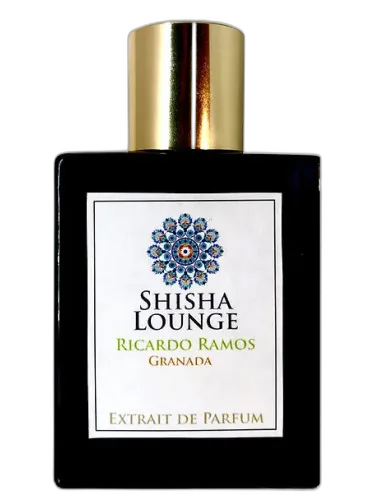
Ricardo Ramos Perfumes de Autor
Shisha Lounge Ricardo Ramos Perfumes De Autor
Shared top notes: anise
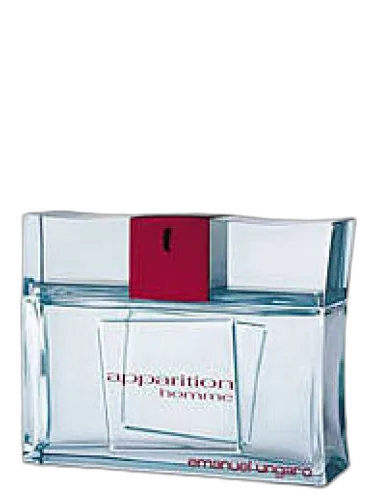
Emanuel Ungaro
Apparition Homme Emanuel Ungaro
Shared top notes: anise

Thera Cosméticos
Eron Thera Cosméticos
Shared top notes: anise

Jovoy Paris
# What Matters Is Inside - Italy Jovoy Paris
Shared top notes: anise