
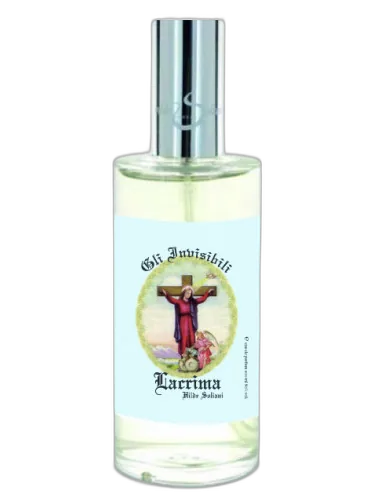
Lacrima Hilde Soliani
At a glance
Is Lacrima Hilde Soliani worth trying?
Lacrima by Hilde Soliani is a Aromatic fragrance for women and men.
- Best match
- Evening wear in Winter
- Performance feel
- Good longevity with Moderate sillage
- Signature profile
- fresh, ozonic with Snow
The first impression
Lacrima by Hilde Soliani is a Aromatic fragrance for women and men. The nose behind this fragrance is Hilde Soliani.
What shapes the scent
The perfumer behind it

Hilde Soliani
Hilde Soliani is an Italian perfumer who founded her namesake brand, Hilde Soliani. Her fragrances, such as 24-09-11, Acquiilssssima, and Amore, often explore gourmand and floral themes with a playful, artistic touch. Soliani’s work is known for its creativity and emotional depth, reflecting her background in art and design.
Notes pyramid
All Notes
Complete scent profile
 Snow
Snow
The mood it creates
The Lover Archetype: Portrait of Lacrima Hilde Soliani
Essence
The person who cherishes Lacrima by Hilde Soliani is one who finds beauty in sorrow, who sees fragility as a kind of strength. Their soul is most closely aligned with the Wounded Healer, an archetype that embodies the paradox of suffering as a path to wisdom. Like Chiron, the centaur who could heal others but not himself, they carry an intimate knowledge of pain-yet transmute it into something luminous. The scent of Lacrima, with its melancholic blend of salty tears and delicate florals, speaks to them because it does not shy away from sadness. Instead, it elevates it into an aesthetic experience, a quiet hymn to the bittersweet nature of existence.
Relationships
In love and friendship, they are drawn to those who are unafraid of depth. Superficial charm does not impress them; they crave conversations that linger past midnight, where confessions are whispered like secrets to the dark. They are not the type to offer empty reassurances-when someone they love is hurting, they do not say "it will be okay," but rather "I am here with you in this." Their empathy is profound, but it comes at a cost: they absorb the emotions of others like a sponge, sometimes forgetting to wring themselves out.
Romantically, they are both tender and elusive. They love fiercely but guard their heart, fearing that to be known completely is to risk being shattered. Their partners may find them frustratingly indirect at times, speaking in metaphors when directness would serve better. Yet, when they choose to trust, their love is a sanctuary-warm, enveloping, and deeply loyal.
Shadow
But every archetype has its shadow, and the Wounded Healer is no exception. Their greatest flaw is the seduction of melancholy-the risk of becoming too enamored with their own sadness, mistaking it for depth. There are times when they romanticize suffering, turning it into an identity rather than a passing storm. They may withdraw into solitude not out of necessity, but out of habit, convincing themselves that no one could truly understand them.
This can lead to a quiet arrogance, a belief that because they have known pain, they are somehow more real than those who move through life with unburdened ease. They may resent the happiness of others, not out of malice, but out of a misplaced sense that joy is shallow. If unchecked, their introspection can curdle into self-indulgence, their sensitivity into fragility.
Conclusion
Their tastes are refined but never ostentatious. They prefer muted colors-soft grays, deep blues, the faint blush of faded roses-over anything garish or loud. In art, they are drawn to the impressionists, where emotion blurs into abstraction, or to the quiet intensity of a Vermeer, where light caresses the ordinary and makes it sacred. Music for them is often minor-key, perhaps Chopin’s nocturnes or the haunting melodies of Nick Cave. They do not seek joy in its raw, untempered form; they seek meaning, and meaning often resides in the spaces between joy and sorrow.
Their philosophy is one of radical acceptance-not resignation, but a deep acknowledgment that life is woven with both shadow and light. They may quote Rilke: "Perhaps all the dragons in our lives are princesses who are only waiting to see us act, just once, with beauty and courage." They believe in the alchemy of suffering, that what wounds us also shapes us, and that to deny pain is to deny a fundamental part of being human.
If you like this, try these
Fragrances with a comparable profile - shared accords, notes, and character.
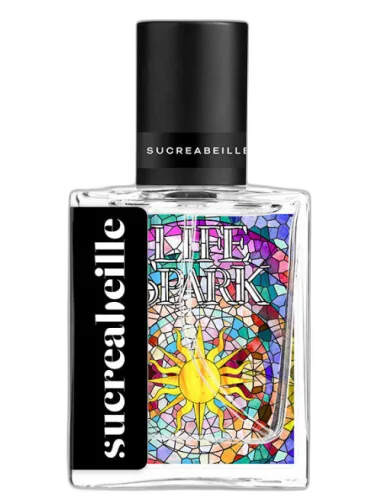
Sucreabeille
Life Spark Sucreabeille
Shared top notes: snow
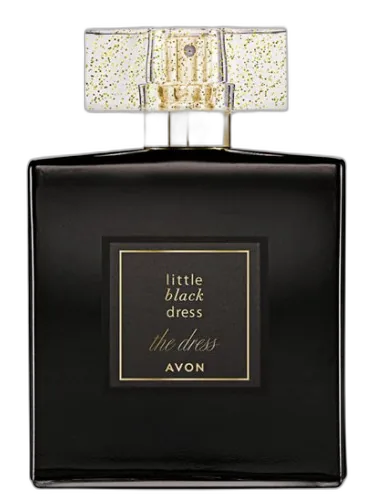
Avon
Little Black Dress The Dress Avon
Shared top notes: snow
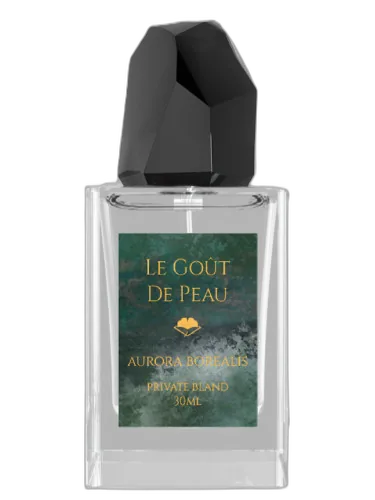
Le Goût De Peau 肌肤之味
Aurora Borealis 北境极光 Le Goût De Peau 肌肤之味
Shared top notes: snow

Avon
Célèbre Star Avon
Shared top notes: snow
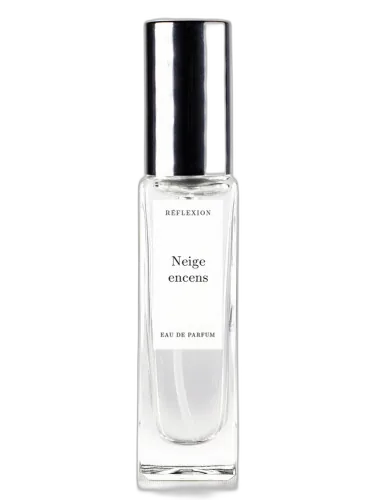
Reflexion
Neige Encens Reflexion
Shared top notes: snow