


Zzzzz Hilde Soliani
At a glance
Is Zzzzz Hilde Soliani worth trying?
Zzzzz by Hilde Soliani is a Oriental Vanilla fragrance for women and men.
- Best match
- Evening wear in Winter
- Performance feel
- Moderate longevity with Intimate sillage
- Signature profile
- honey, sweet, floral with Honey
The first impression
Zzzzz by Hilde Soliani is a Oriental Vanilla fragrance for women and men. The nose behind this fragrance is Hilde Soliani.
What shapes the scent
The perfumer behind it

Hilde Soliani
Hilde Soliani is an Italian perfumer who founded her namesake brand, Hilde Soliani. Her fragrances, such as 24-09-11, Acquiilssssima, and Amore, often explore gourmand and floral themes with a playful, artistic touch. Soliani’s work is known for its creativity and emotional depth, reflecting her background in art and design.
Notes pyramid
All Notes
Complete scent profile
 Honey
Honey
The mood it creates
The Zzzzz Enthusiast Archetype: Portrait of Zzzzz Hilde Soliani
Essence
To wear Zzzzz Hilde Soliani is to embrace the liminal-the space between wakefulness and sleep, between reality and reverie. This fragrance, with its milky, powdery softness, evokes the warmth of childhood comfort, the quietude of twilight, and the tender melancholy of half-remembered dreams. The person who chooses this scent does not merely wear a perfume; they inhabit an atmosphere, a private world where time slows, and the senses blur.
At their core, this individual is defined by the Innocent archetype-a soul who seeks purity, simplicity, and refuge from the harshness of the world. They are drawn to the unspoiled, the nostalgic, the gentle. Like the fragrance itself, they exude a quiet, almost ethereal presence, one that soothes rather than demands. But beneath this softness lies a paradox: the Innocent is not naive by accident but by choice, a deliberate retreat into safety.
Shadow
Yet the Innocent’s retreat into softness is not without cost. Their aversion to conflict can render them passive, avoiding necessary confrontations. Their idealism, when unchecked, drifts into escapism-preferring daydreams to action, nostalgia to growth. At times, they may cling to comfort to the point of stagnation, resisting change even when it is needed.
Their relationships, while tender, can suffer from a lack of depth-not because they are incapable of intimacy, but because they fear the messiness of true vulnerability. They may withdraw at the first sign of turbulence, seeking refuge in solitude rather than facing discomfort.
Conclusion
Their tastes are delicate, almost fragile-favoring muted pastels, flowing fabrics, and textures that invite touch. Their home is a sanctuary of plush cushions, worn books, and faint candlelight, a place where the outside world is held at bay. They prefer the company of a few trusted souls over crowds, finding solace in whispered conversations and shared silences.
Philosophically, they are drawn to idealism-whether in art, spirituality, or human connection. They believe in kindness as a radical act, in beauty as a necessity rather than a luxury. Yet this idealism is not passive; it is a quiet resistance against cynicism, a refusal to let the world harden them.
If you like this, try these
Fragrances with a comparable profile - shared accords, notes, and character.

Amygdala
Honey Amygdala
Shared top notes: honey
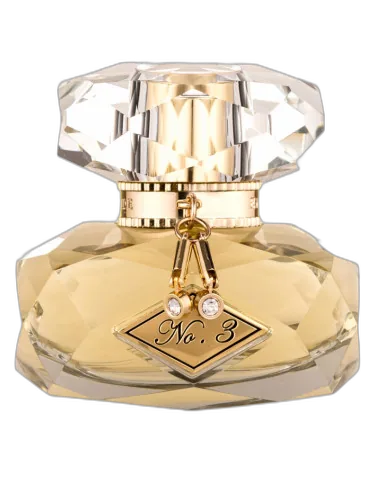
Emirates Pride Perfumes
Scentastic No. 3 Emirates Pride Perfumes
Shared top notes: honey

Cartier
L'envol De Cartier Parfum Cartier
Shared top notes: honey

Jil Sander
Sun Parfum Jil Sander
Shared top notes: honey

I Profumi Del Marmo
Arabescato I Profumi Del Marmo
Shared top notes: honey