
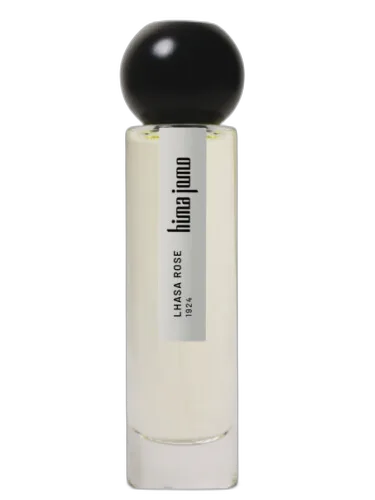

Lhasa Rose 1924 Hima Jomo
At a glance
Is Lhasa Rose 1924 Hima Jomo worth trying?
Lhasa Rose 1924 by hima jomo is a Oriental Woody fragrance for women and men.
- Best match
- Evening wear in Fall
- Performance feel
- Very Good longevity with Moderate sillage
- Signature profile
- rose, amber, smoky with Pink Pepper, Geranium, Bergamot
The first impression
Lhasa Rose 1924 by hima jomo is a Oriental Woody fragrance for women and men. This is a new fragrance. Lhasa Rose 1924 was launched in 2024. Lhasa Rose 1924 was created by Amelie Bourgeois and Margaux Le Paih Guérin. Top notes are Pink Pepper, Geranium and Bergamot; middle notes are Incense, Rose, Damask Rose and Ambergris; base notes are Oud, Indian Sandalwood and Musk.
What shapes the scent
The perfumer behind it

Amelie Bourgeois
Amelie Bourgeois is a French perfumer known for her work with the niche houses Aether and Alexandre.J. Her style blends experimental, synthetic accords with natural elements, often exploring contrasts like citrus and musk or rose and alkanes. She created the Aether Oxyde and Carboneum compositions, as well as Alexandre.J’s Mandarine Sultane and Passion Bliss.
Notes pyramid
Top Notes
First impression · 15-30 min
 Pink Pepper
 Geranium
 Bergamot
Heart Notes
Core character · 2-4 hours
 Incense
 Rose
Rose
 Damask Rose
 Ambergris
Base Notes
Lasting impression · 4+ hours
Oud
 Indian Sandalwood
 Musk
Musk
The mood it creates
The Sage Archetype: Portrait of Lhasa Rose 1924 Hima Jomo
Essence
Lhasa Rose 1924 Hima Jomo is not a fragrance for those who seek the obvious. It is a scent of quiet depth-rose softened by incense, spice, and a whisper of leather, evoking the mystique of Himalayan monasteries and the wisdom of ancient paths. The person who chooses this fragrance is drawn to the enigmatic, the sacred, and the introspective. They are, at their core, a Sage-an archetype defined by wisdom, contemplation, and the pursuit of truth.
This is not the Sage as a mere scholar, but as a seeker, one who understands that knowledge is not just accumulated but lived. Their life is an unfolding meditation, a slow distillation of experience into meaning. They do not chase trends; they listen to the quiet voices beneath the noise.
Shadow
Yet, the Sage is not without their shadows. Their love of wisdom can become a retreat from life itself. They may disdain the trivialities of daily existence, dismissing ordinary joys as beneath them. This can manifest as a subtle elitism, a belief that only those who share their depth are worth engaging with.
Their detachment, while a strength in moderation, can also make them emotionally distant. They may rationalize feelings rather than feel them, turning love into an intellectual exercise and sorrow into a philosophical problem. At their worst, they become the Hermit who never returns, lost in their own mind, mistaking solitude for enlightenment.
They may also struggle with indecision, endlessly weighing perspectives without ever acting. The world demands participation, but the Sage sometimes hesitates, fearing impurity in action. Their wisdom, if unchecked, can paralyze rather than empower.
Their lifestyle reflects this tension. They may be drawn to professions that allow for contemplation-writing, academia, spiritual guidance-but they must guard against becoming mere observers of life. The truest Sage knows that wisdom must descend from the mountain and walk among people.
They are not immune to desire, but their desires are subtle: the perfect cup of tea, the right word at the right moment, the fleeting sense of harmony between self and world. They do not seek happiness in the usual sense; they seek meaning, and in that search, they sometimes forget that meaning is found in living, not just thinking.
Yet, when balanced, they are a rare presence-someone who does not merely exist but perceives. Their gift is not in having all the answers, but in knowing which questions matter. And in a world drowning in noise, their quiet depth is a beacon for those who still believe in the sacredness of thought.
Conclusion
Their tastes are refined but never ostentatious. They prefer the understated elegance of natural materials-linen, aged wood, handcrafted ceramics. Their home is a sanctuary, filled with books, incense, and perhaps a single, perfectly placed artifact from a distant culture. They are drawn to art that suggests rather than declares-minimalist ink paintings, Sufi poetry, the silence between musical notes.
Philosophically, they reject dogma but revere insight. They may be drawn to Zen Buddhism, Jungian psychology, or Stoicism-not as rigid systems, but as lenses through which to see the world more clearly. They value clarity over certainty, understanding that wisdom often lies in the questions, not the answers.
In relationships, they are the quiet confidant, the one who listens deeply and speaks sparingly. Their presence is calming, like the steady glow of a candle in a dim room. They do not offer easy comfort, but they offer truth-when asked. Their friendships are few but profound, built on mutual respect for depth and authenticity.
If you like this, try these
Fragrances with a comparable profile - shared accords, notes, and character.
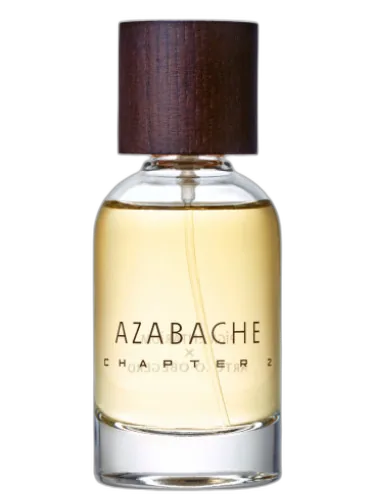
Pigmentarium
Azabache Chapter 2 Pigmentarium
Shared top notes: bergamot, geranium, pink pepper

SugarBomb
Mystical Elixir Sugarbomb
Shared top notes: bergamot, pink pepper
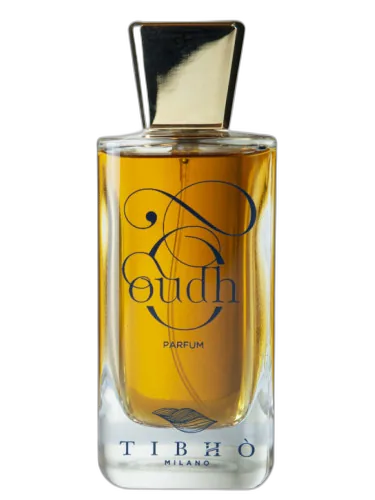
Tibhò
Oudh Tibhò
Shared top notes: bergamot, pink pepper
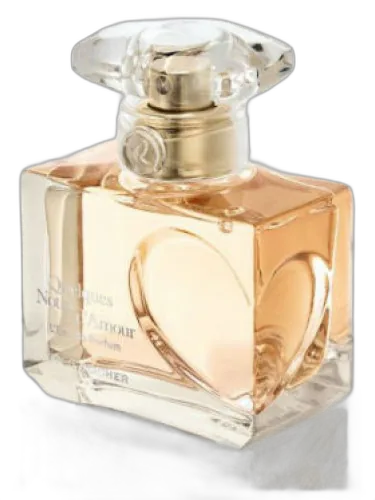
Yves Rocher
Quelques Notes D’amour Yves Rocher
Shared top notes: bergamot, pink pepper
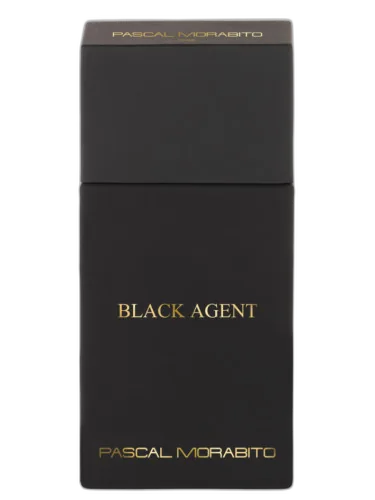
Pascal Morabito
Black Agent Pascal Morabito
Shared top notes: bergamot, pink pepper