
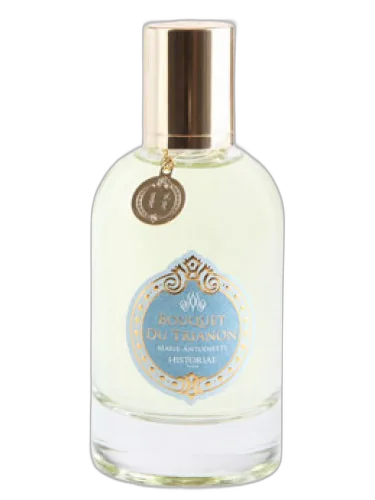

Bouquet Du Trianon Historiae
At a glance
Is Bouquet Du Trianon Historiae worth trying?
Bouquet du Trianon by Historiae is a Floral Woody Musk fragrance for women.
- Best match
- Evening wear in Spring
- Performance feel
- Very Good longevity with Strong sillage
- Signature profile
- green, white floral, tuberose with Galbanum, Black currant leaf, Mint
The first impression
Bouquet du Trianon by Historiae is a Floral Woody Musk fragrance for women. Bouquet du Trianon was launched in 2012. The nose behind this fragrance is Bertrand Duchaufour. Top notes are Galbanum, Black currant leaf, Mint, Mandarin Orange, Bergamot, Freesia and Lemon; middle notes are Tuberose, Honeysuckle, Rose, Beeswax and Ylang-Ylang; base notes are Sandalwood, Musk, Vetiver, Cedar, Patchouli and Amber.
What shapes the scent
The perfumer behind it

Bertrand Duchaufour
Bertrand Duchaufour is a renowned French perfumer with a prolific career spanning many brands. He has created fragrances for Acqua di Parma, including Blu Mediterraneo - Cipresso Di Toscana and Colonia Assoluta, as well as for Aedes de Venustas, such as Café Tabac and Copal Azur. His style is known for its complexity and use of natural ingredients.
Notes pyramid
Top Notes
First impression · 15-30 min
 Galbanum
 Black currant leaf
 Mint
Mint
 Mandarin Orange
 Bergamot
 Freesia
 Lemon
Lemon
Heart Notes
Core character · 2-4 hours
 Tuberose
 Honeysuckle
 Rose
Rose
 Beeswax
 Ylang-Ylang
Base Notes
Lasting impression · 4+ hours
 Sandalwood
 Musk
Musk
 Vetiver
 Cedar
Cedar
 Patchouli
 Amber
Amber
The mood it creates
The Lover Archetype: Portrait of Bouquet Du Trianon Historiae
Essence
This person is most closely aligned with the Enchantress archetype-a figure who embodies allure, depth, and an almost mythic sense of beauty. The Enchantress is not merely seductive in the carnal sense; she is a weaver of atmospheres, a curator of experiences, a soul who understands that life’s most profound moments are often draped in elegance and mystery.
Bouquet Du Trianon Historiae, with its lush floral opulence-rose, jasmine, and iris-speaks to someone who adores the romantic, the timeless, the decadently refined. This fragrance is not for the fleeting or the frivolous; it is for one who believes in the power of aesthetic transcendence, who sees the world as a stage for beauty, passion, and meaning.
Shadow
Yet, the Enchantress is not without her burdens. Her pursuit of beauty can sometimes slip into a kind of tyranny-an unrelenting demand for the sublime. When the world fails to meet her standards (as it often must), she may retreat into disillusionment or melancholy.
There is also the danger of self-mythologizing-of becoming so enamored with her own allure that she forgets the raw, unpolished humanity beneath it. She may grow impatient with those who do not share her sensibilities, dismissing them as coarse or unrefined. At her worst, she risks becoming a prisoner of her own aesthetic, mistaking the frame for the painting.
Conclusion
Her tastes are deliberate, almost ceremonial. She does not merely drink wine; she selects it for the way it complements the golden hour light in her parlor. She does not merely wear clothes; she assembles them as an artist layers pigments-each texture, each hue, a deliberate stroke in the portrait of her day. Velvet, silk, and lace are not fabrics to her but extensions of her inner world.
Her philosophy is one of aesthetic existentialism-she believes that beauty is not an escape from reality but a deeper engagement with it. To her, a well-set table, a handwritten letter, the scent of roses in the evening air-these are not indulgences but necessities, the very threads that weave meaning into existence.
If you like this, try these
Fragrances with a comparable profile - shared accords, notes, and character.
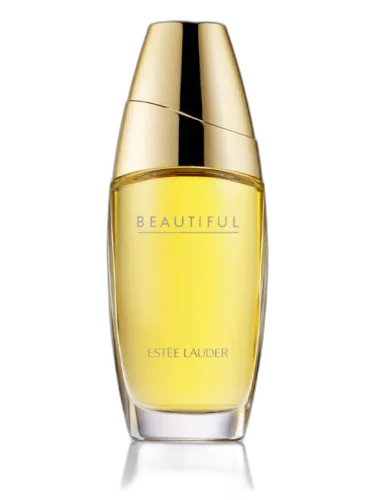
Estée Lauder
Beautiful Estée Lauder
Shared top notes: bergamot, galbanum, lemon
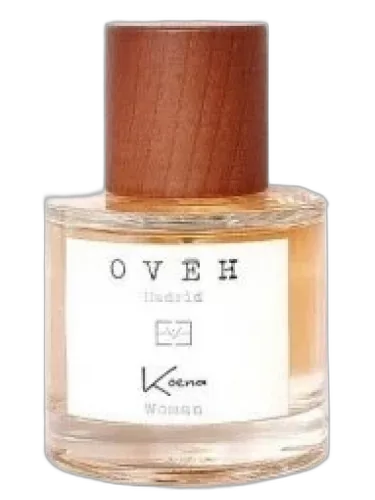
Ovéh Madrid
Koena Ovéh Madrid
Shared top notes: bergamot, mandarin orange
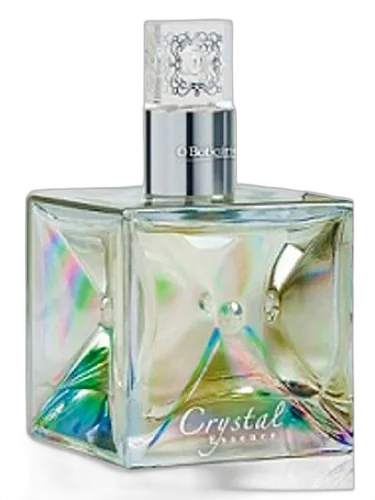
O Boticário
Crystal Essence O Boticário
Shared top notes: bergamot
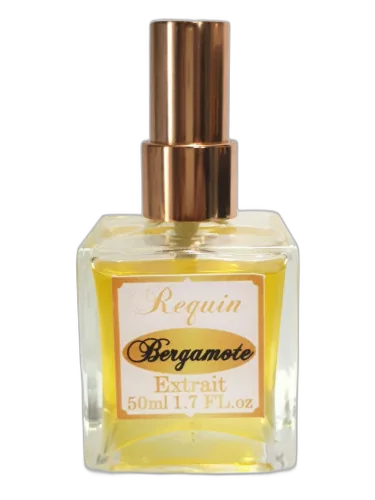
Requin
Bergamote Requin
Shared top notes: bergamot, mint
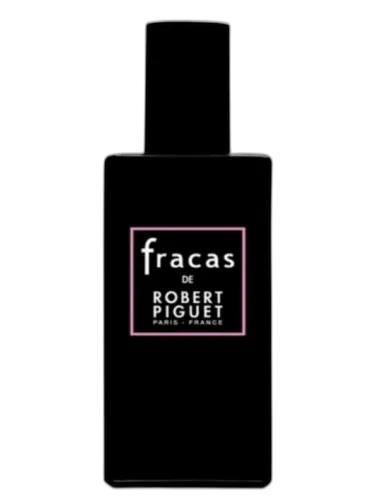
Robert Piguet
Fracas Robert Piguet
Shared top notes: bergamot, mandarin orange