

Vanille Imperiale Houbigant
At a glance
Is Vanille Imperiale Houbigant worth trying?
Vanille Imperiale by Houbigant is a Oriental Vanilla fragrance for women and men.
- Best match
- Evening wear in Winter
- Performance feel
- Very Good longevity with Moderate sillage
- Signature profile
- musky, citrus, vanilla with Blood Orange, Bergamot, Neroli
The first impression
Vanille Imperiale by Houbigant is a Oriental Vanilla fragrance for women and men. This is a new fragrance. Vanille Imperiale was launched in 2024. Vanille Imperiale was created by Luca Maffei and Antoine Lie. Top notes are Blood Orange, Bergamot and Neroli; middle notes are Vanilla, Rose, Tuberose and Jasmine; base notes are Ambergris, Ambrette and Musk.
What shapes the scent
The perfumer behind it

Antoine Lie
Antoine Lie is a French perfumer trained at Givaudan and known for his work with brands like Burberry and Avon. His style often blends bold contrasts, pairing fresh or woody accords with unexpected gourmand or metallic touches. He created the earthy, resinous Sequoia for Abbott New York City and the spicy, incense-laced Sword for CZAR, showcasing his skill with complex, atmospheric compositions.
Notes pyramid
Top Notes
First impression · 15-30 min
 Blood Orange
 Bergamot
 Neroli
Heart Notes
Core character · 2-4 hours
 Vanilla
 Rose
Rose
 Tuberose
 Jasmine
Base Notes
Lasting impression · 4+ hours
 Ambergris
 Ambrette
 Musk
Musk
The mood it creates
The Innocent Archetype: Portrait of Vanille Imperiale Houbigant
Essence
Vanille Impériale by Houbigant is not merely a fragrance-it is an embrace. Warm, enveloping, and subtly regal, it evokes the golden glow of hearths and the quiet luxury of comfort. This is not the scent of wild adventure or sharp intellect, but of deep, unwavering presence. The person who chooses this fragrance does not seek to dominate the room with force, but to suffuse it with an unspoken assurance. They are the Nurturer, an archetype rooted in the maternal, the protective, and the deeply sensual.
Shadow
Yet, like all archetypes, the Nurturer has their darkness. Their devotion can slip into possessiveness. The same hands that heal may clutch too tightly, fearing that without their care, the world-or worse, their loved ones-will unravel.
They may resent those who take their kindness for granted, yet struggle to voice their anger directly. Instead, it simmers beneath the surface, emerging as passive-aggression or silent withdrawal. Their greatest weakness is the belief that love must be earned through service, leaving them vulnerable to those who exploit their generosity.
At their worst, they may lose themselves in the act of nurturing, forgetting that they, too, deserve care. Their selflessness can become self-erasure.
Conclusion
Their tastes are refined but never ostentatious. They prefer the soft glow of candlelight to harsh fluorescents, the weight of linen and cashmere over synthetic fabrics. Their home is a sanctuary-books with worn spines, well-loved ceramics, a kitchen where spices are measured with care. They do not chase trends but cultivate timelessness.
Philosophically, they believe in the sacredness of small moments. A shared meal, a lingering touch, the way sunlight falls across a table-these are the things they treasure. They are not naive idealists, but they reject cynicism. Their faith is in the quiet resilience of human connection.
In relationships, they are the steady flame. Friends confide in them effortlessly, drawn by their ability to listen without judgment. Romantic partners find in them a rare balance of passion and stability. They love deeply, sometimes too deeply, and their greatest fear is not abandonment, but indifference.
If you like this, try these
Fragrances with a comparable profile - shared accords, notes, and character.
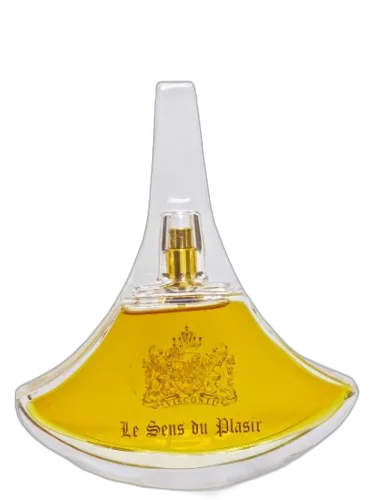
Antonio Visconti
Le Sens Du Plaisir Antonio Visconti
Shared top notes: bergamot, neroli
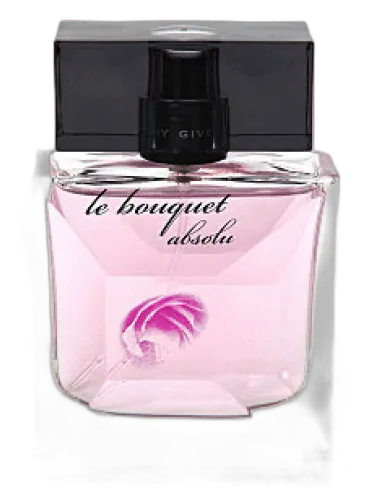
Givenchy
Le Bouquet Absolu Givenchy
Shared top notes: bergamot, neroli
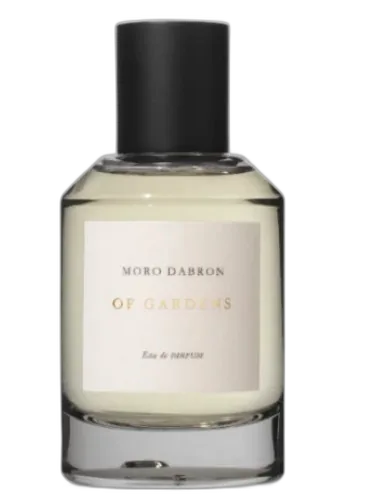
Moro Dabron
Of Gardens Moro Dabron
Shared top notes: bergamot, neroli
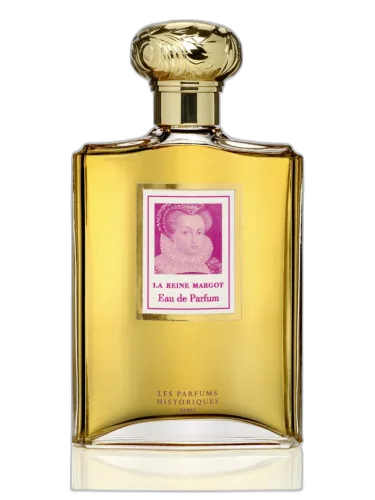
Maitre Parfumeur et Gantier
La Reine Margot Maitre Parfumeur Et Gantier
Shared top notes: bergamot, neroli
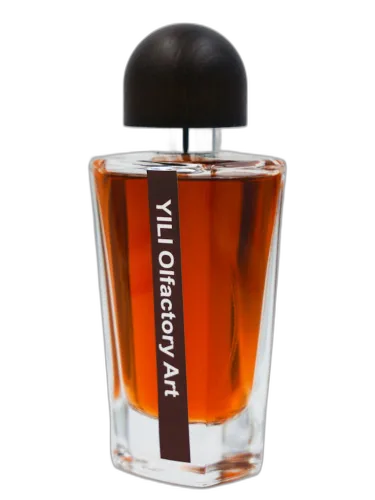
Yili Olfactory Art
Harlot 娼妓 Yili Olfactory Art
Shared top notes: bergamot