

Frankenstein House Of Atropa
At a glance
Is Frankenstein House Of Atropa worth trying?
Frankenstein by House of Atropa is a Oriental Vanilla fragrance for women and men.
- Best match
- Evening wear in Fall
- Performance feel
- Very Good longevity with Strong sillage
- Signature profile
- marine, woody, anis with Calone, Matcha Tea, Grass
The first impression
Frankenstein by House of Atropa is a Oriental Vanilla fragrance for women and men. This is a new fragrance. Frankenstein was launched in 2024. The nose behind this fragrance is Lisa Andrék. Top notes are Calone, Matcha Tea, Grass, Rose, Tea and Osmanthus; middle notes are Moss, Anise, Seaweed, Salt, Ozonic notes, Hibiscus, Lotus, Rose and Grapes; base notes are Oud, Cypress and Cedar.
What shapes the scent
The perfumer behind it

Lisa Andrék
Lisa Andrék is a perfumer for House of Atropa, where she has crafted a diverse range of fragrances including Bosphorus, Crystal Herb, Emerald Herb, Frankenstein, Geometria, Gurza, He Is Fish, and Pegasus's Food. Her work spans both natural and conceptual themes, showcasing versatility in scent design. Andrék's compositions often blend unexpected notes to create unique olfactory experiences.
Notes pyramid
Top Notes
First impression · 15-30 min
 Calone
 Matcha Tea
 Grass
Grass
 Rose
Rose
 Tea
Tea
 Osmanthus
Heart Notes
Core character · 2-4 hours
 Moss
Moss
 Anise
Anise
 Seaweed
 Salt
Ozonic notes
Salt
Ozonic notes
 Hibiscus
 Lotus
Rose
Lotus
Rose
 Grapes
Base Notes
Lasting impression · 4+ hours
Oud
 Cypress
 Cedar
Cedar
The mood it creates
The Alchemist Archetype: Portrait of Frankenstein House Of Atropa
Essence
To wear Frankenstein House of Atropa is to embrace the scent of transformation-dark, resinous, and unapologetically enigmatic. This fragrance, with its gothic herbal depth and smoky, almost medicinal undertones, speaks to a soul who thrives in the liminal spaces between creation and decay. The person who chooses it is not merely a wearer of perfume but an alchemist of identity, one who distills beauty from the unconventional.
The Alchemist is a seeker of hidden truths, a figure who transmutes the raw materials of existence into something profound. They are drawn to the mysterious, the arcane, and the paradoxical, finding meaning in what others dismiss as grotesque or unsettling. Like Victor Frankenstein, they are both creator and destroyer-driven by curiosity, yet haunted by the consequences of their own ingenuity.
This archetype fits the Frankenstein House of Atropa lover because they embody the tension between intellect and instinct, between the desire to dissect the world and the need to surrender to its mysteries. They are not content with surface-level beauty; they crave depth, complexity, and the thrill of the unknown.
Style & Aesthetic
They thrive in environments that allow for both structure and spontaneity-perhaps a writer working by candlelight, a perfumer blending rare essences, or a scientist researching the fringes of their field. Routine bores them, but they are disciplined when pursuing their obsessions.
Their greatest strength is their ability to see potential where others see ruin. Their greatest flaw is the occasional descent into self-imposed exile, where their brilliance turns inward and festers rather than creating.
Philosophy & Values
They reject the notion that beauty must be polished or palatable. Instead, they find elegance in decay, wisdom in ruin. Their personal creed might echo Nietzsche’s amor fati-love of fate-embracing both the light and shadow of existence. They believe in the necessity of darkness, not as something to conquer, but as a vital counterbalance to brilliance.
Yet this reverence for the unconventional can manifest as a disdain for the mundane. They may struggle with impatience toward those who prefer simplicity, dismissing them as shallow. Their shadow side emerges when their fascination with the obscure becomes a retreat from the ordinary world, isolating them in a self-made labyrinth of esoterica.
Relationships
Their relationships are intense, often magnetic but not always easy. They attract those who are equally drawn to depth-artists, philosophers, misfits-but may repel those who crave stability. Their love is passionate but demanding; they expect their partners to engage with the world as deeply as they do.
Friendships are built on shared intellectual pursuits or mutual appreciation for the strange. They are fiercely loyal but may unintentionally intimidate with their intensity. Their shadow here is a tendency to romanticize emotional turbulence, mistaking chaos for authenticity.
Shadow
When unbalanced, the Alchemist becomes the Mad Scientist-obsessed with their vision to the point of self-destruction. They may grow cynical, dismissing joy as frivolity or rejecting love as a distraction. Their fascination with darkness can curdle into nihilism, leaving them stranded in their own creations.
Yet even in their darkest moments, they retain the capacity for reinvention. The same force that drives them to the edge also pulls them back-because to stop creating is to cease living.
Conclusion
Their tastes are an extension of their philosophy-darkly romantic, yet rigorously intellectual. They might favor Victorian gothic literature, experimental music that blends acoustic and electronic elements, or films that explore the boundaries of humanity and monstrosity. Their style is deliberate, often blending vintage elegance with modern edge: tailored coats with frayed hems, antique jewelry paired with minimalist silhouettes, or ink-stained fingers from late-night writing sessions.
Their home is a sanctuary of curiosities-bookshelves lined with esoteric texts, dried botanicals in glass jars, and perhaps a skull or two (real or replica) as a memento mori. They are drawn to textures that evoke age and transformation: weathered leather, tarnished silver, rough-hewn wood.
If you like this, try these
Fragrances with a comparable profile - shared accords, notes, and character.
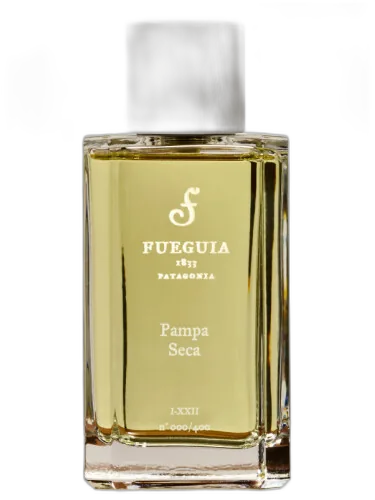
Fueguia 1833
Pampa Seca Fueguia 1833
Shared top notes: grass
aromag 岩兰
Wilde Aromag 岩兰
Shared top notes: tea
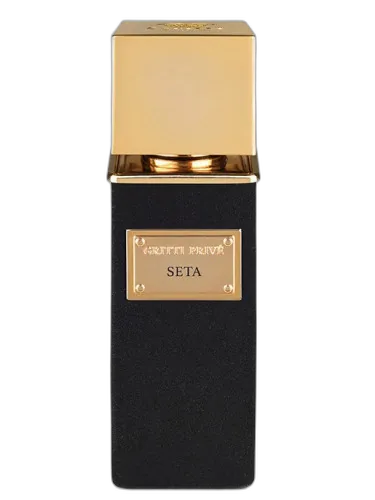
Gritti
Seta Gritti
Shared heart notes: rose

Victorinox Swiss Army
Steel Victorinox Swiss Army
Shared heart notes: moss
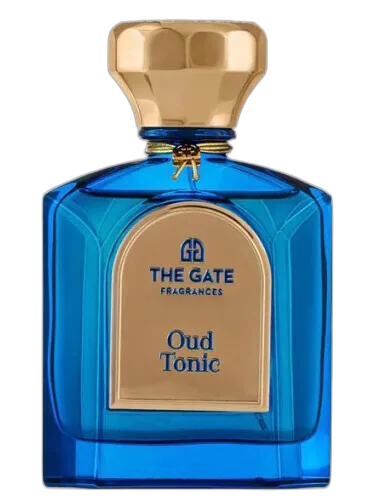
The Gate Fragrances Paris
Oud Tonic Extrait De Parfum The Gate Fragrances Paris
Shared base notes: cedar, oud