
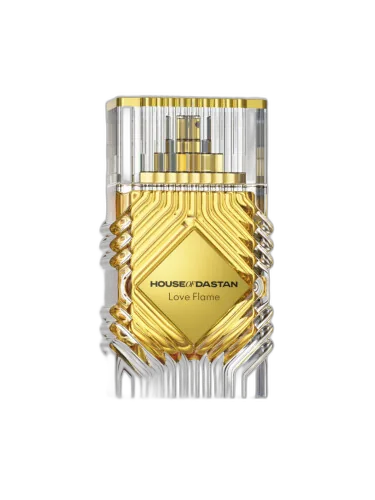

Love Flame House Of Dastan
At a glance
Is Love Flame House Of Dastan worth trying?
Love Flame by House of Dastan is a Oriental Vanilla fragrance for women and men.
- Best match
- Evening wear in Winter
- Performance feel
- Excellent longevity with Strong sillage
- Signature profile
- powdery, warm spicy, woody with Iris, Orcanox™, Patchouli
The first impression
Love Flame by House of Dastan is a Oriental Vanilla fragrance for women and men. This is a new fragrance. Love Flame was launched in 2024. The nose behind this fragrance is Richard Herpin.
What shapes the scent
The perfumer behind it
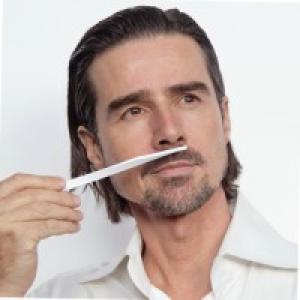
Richard Herpin
Richard Herpin is a perfumer who has created fragrances for a variety of brands, including Angel Schlesser, Avon, Badgley Mischka, Bebe, and Benetton. His catalog includes Agua De Vetiver, Ironman Glory, Neo Aventura, Neo Evolution, Badgley Mischka, Badgley Mischka Eau De Parfum, Glam, and Funtastic Sweet Fruits For Girls. His work spans a wide range of styles, from fresh and sporty to elegant and playful.
Notes pyramid
All Notes
Complete scent profile
 Iris
Iris
 Orcanox™
 Patchouli
 Lavender
 Vanilla
 Musk
Musk
 Tolu Balsam
 Sandalwood
 Chocolate
 Bergamot
 Cardamom
 Benzoin
 Carrot Seeds
Black Pepper
Carrot Seeds
Black Pepper
 Cedar
Cedar
 Ambrette
 Vetiver
 Cypress
 Castoreum
Mandarin
Castoreum
Mandarin
The mood it creates
The Lover Archetype: Portrait of Love Flame House Of Dastan
Essence
To wear Love Flame by House of Dastan is to embrace fire-not the destructive kind, but the kind that illuminates, seduces, and transforms. This fragrance, with its intoxicating blend of spice, warmth, and sensuality, belongs to one who lives through the senses, who seeks beauty in every encounter, and who thrives on the intensity of human connection. Their archetype is unmistakable: The Lover, in all its radiant and tempestuous glory.
This person moves through life as if it were a grand romance, each moment an opportunity for enchantment. They are drawn to the luxurious, the tactile, the decadent-velvet textures, rich wines, candlelit rooms where shadows dance on the walls. Their taste is opulent but never garish; they prefer depth over excess, meaning over spectacle. In art, they favor the Baroque over the Minimalist, the passionate brushstrokes of Caravaggio over the cold precision of Mondrian.
Philosophically, they believe in the transformative power of love-not merely romantic love, but love as an all-consuming force that shapes identity, art, and purpose. They see life as an ongoing seduction, a dance between vulnerability and control. Their values are rooted in authenticity, but an authenticity that is heightened, dramatic, almost theatrical. They do not merely feel; they perform feeling, not out of deceit, but because emotion, to them, is too vast to be contained.
Shadow
Yet, like all archetypes, The Lover has its darker currents. Their intensity can tip into obsession; their devotion can become suffocation. They do not love in halves, and so they expect the same in return-a demand that often leads to disillusionment. When their affections are unreciprocated, they do not simply grieve; they burn with a quiet, corrosive bitterness.
There is also a melancholic undercurrent to their passion. They are acutely aware of time’s passage, of beauty’s fleeting nature. This awareness can make them cling too tightly-to lovers, to moments, to versions of themselves that no longer exist. Their pursuit of ecstasy sometimes leads them to the edge of self-destruction, where pleasure and pain blur into one.
Conclusion
Their greatest strength is their ability to make others feel truly seen. When they listen, they do so with their whole being-eyes locked, body leaning in, as if the speaker’s words were the only thing that mattered. They are magnetic, not because they seek attention, but because they give it so freely. In relationships, they are generous lovers and devoted friends, though their devotion is often intense, bordering on possessive.
They thrive in environments where passion is currency-artistic circles, late-night salons, places where ideas and desires mingle freely. Their lifestyle is one of deliberate indulgence: slow mornings with strong coffee, handwritten letters, music that makes the spine shiver. They are not afraid of decadence, but their decadence has purpose-it is a rebellion against the mundane, a refusal to live half-awake.
If you like this, try these
Fragrances with a comparable profile - shared accords, notes, and character.
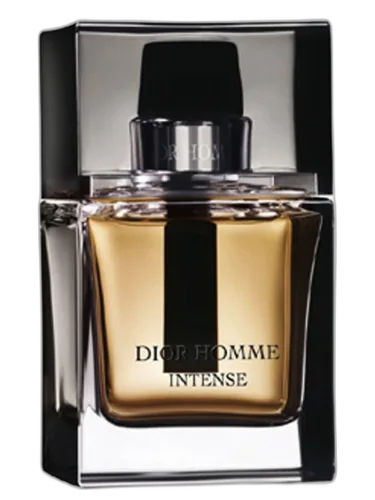
Dior
Dior Homme Intense 2007 Dior
Shared top notes: cedar, iris, vanilla
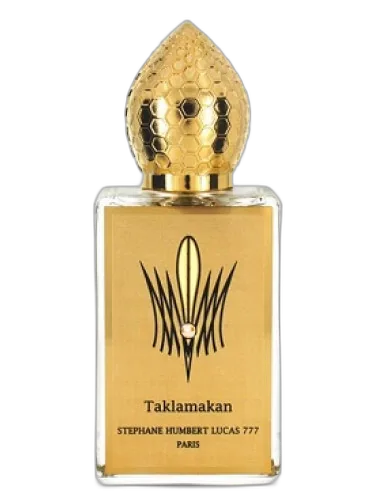
Stéphane Humbert Lucas 777
Taklamakan Stéphane Humbert Lucas 777
Shared top notes: benzoin, bergamot, iris
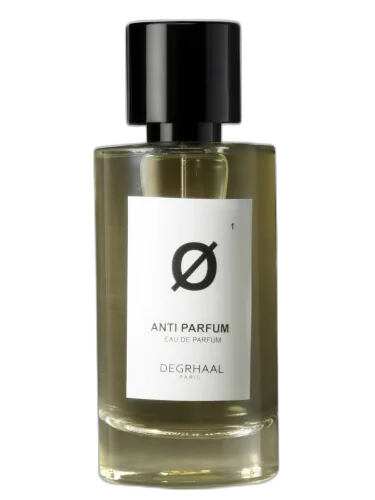
DeGrhaal
Anti Parfum Degrhaal
Shared top notes: ambrette, cedar, iris
Maya Njie
Vanilj Maya Njie
Shared top notes: cardamom, cedar, musk
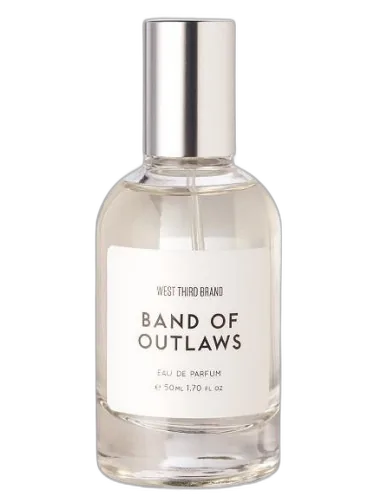
West Third Brand
Band Of Outlaws West Third Brand
Shared top notes: cardamom, cedar, iris