
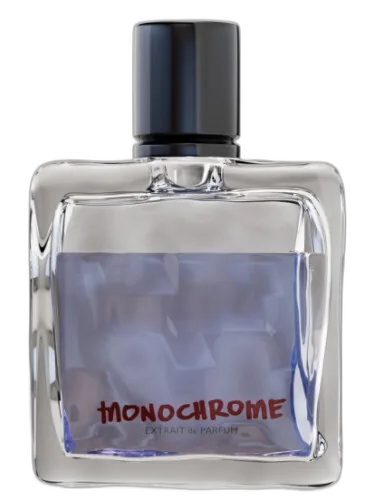
Monochrome House Of Nineteen Eighty Four
Fragrance Story
Monochrome by House Of Nineteen Eighty Four is a Chypre fragrance for women and men. This is a new fragrance. Monochrome was launched in 2024. Monochrome was created by Faisal Al Dosari and Mark Buxton. Top notes are Citrus and Pepper; middle notes are cannabis and Sweat; base notes are Musk, Atlas Cedar, Labdanum and Vetiver.
Composition Profile
About the Perfumer

Faisal Al Dosari
Faisal Al Dosari is a perfumer who has created fragrances for House Of Nineteen Eighty Four. His works for the brand include Ajna and Monochrome, both of which reflect a modern, minimalist aesthetic. His compositions often emphasize clean lines and subtle complexity.
Fragrance Notes
Top Notes
First impression · 15-30 min
 Citrus
 Pepper
Heart Notes
Core character · 2-4 hours
 cannabis
 Sweat
Sweat
Base Notes
Lasting impression · 4+ hours
 Musk
Musk
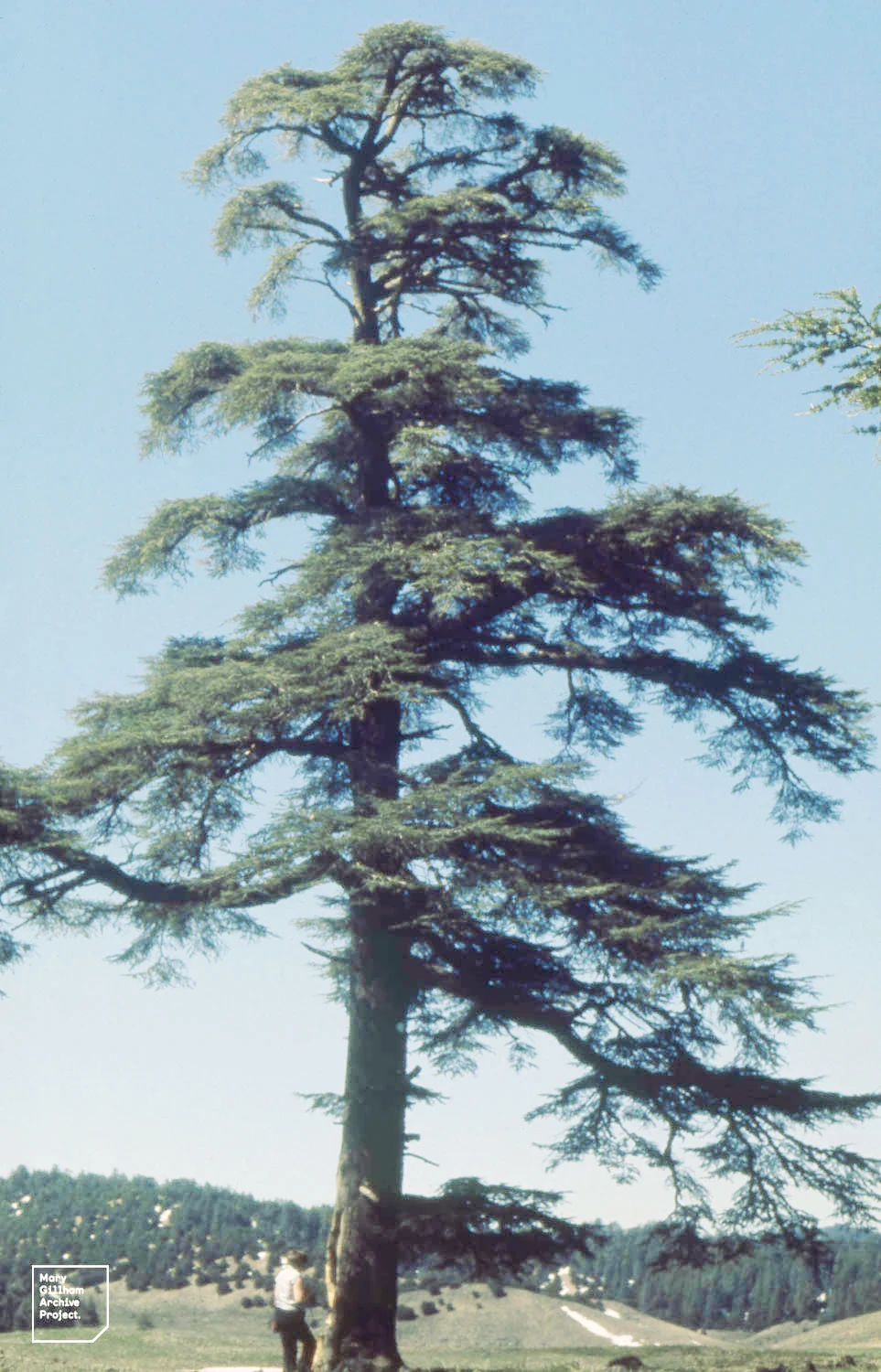 Atlas Cedar
 Labdanum
 Vetiver
Monochrome House Of Nineteen Eighty Four by House Of Nineteen Eighty Four offers a distinctive olfactory experience that stands out from other fragrances in its category.
Crafted with the finest ingredients and a blend of traditional and modern perfumery techniques, this fragrance represents the pinnacle of the perfumer's art.
Monochrome House Of Nineteen Eighty Four embodies the distinctive style of House Of Nineteen Eighty Four while adding a unique chapter to their fragrance portfolio.
Character Profile
The Shadow Archetype: Portrait of Monochrome House Of Nineteen Eighty Four
Essence
Monochrome embodies the Shadow archetype: the keeper of the repressed, the one who walks in the darker corridors of the psyche. This fragrance is not for the faint of heart; it is a confrontation with the raw, the unvarnished, the real. The top notes of citrus and pepper are a sharp, unsettling jolt, like a sudden flash of light in a dark room. The heart is a shocking blend of cannabis and sweat, notes that speak of transgression and the body’s honest truths. The base of musk, atlas cedar, labdanum, and vetiver is a deep, earthy grounding, the scent of the forest floor after a storm.
Style & Aesthetic
The Shadow’s style is minimalist and confrontational, favoring monochromatic palettes of black, grey, and deep charcoal. They wear leather, distressed fabrics, and pieces that feel lived-in and unpolished. Their aesthetic is one of deliberate rawness, rejecting ornamentation for authenticity. They are drawn to the underground, the gritty, the overlooked. Their look is a statement: they are not here to please, but to be seen as they are, without pretense.
Philosophy & Values
The Shadow values truth, even when it is uncomfortable. They believe in the necessity of facing the darker aspects of existence, both in the world and within themselves. Their philosophy is one of integration: they know that light cannot exist without shadow, and that wholeness requires embracing all parts. They are skeptical of easy answers and surface-level positivity. For them, authenticity is the highest virtue, and they are willing to sit with discomfort to find it.
Relationships
In relationships, the Shadow is intense and often misunderstood. They are drawn to others who are unafraid of depth and complexity, who can handle the weight of honesty. They may seem distant or brooding, but their loyalty is fierce to those who accept them. They challenge their partners to look within, which can be both liberating and unsettling. Their friendships are few but deep, built on shared vulnerability and a refusal to pretend. They are not for everyone, but for those who resonate, the connection is profound.
Lifestyle
The Shadow’s life is one of introspection and creative expression. They might be drawn to art that explores darkness, like noir films, gothic literature, or experimental music. Their home is a sanctuary of solitude, with dim lighting, raw textures, and spaces for reflection. They may have rituals that involve journaling, meditation, or simply sitting in silence. They are night owls, finding clarity and peace in the quiet hours. Their daily life is a practice of honesty, even when it is hard.
Shadow
The Shadow’s shadow is the risk of becoming consumed by darkness, of losing sight of the light. They may fall into cynicism, nihilism, or isolation, using their embrace of the shadow as a shield against connection. The raw, confrontational nature of Monochrome can become a prison if the wearer forgets that the shadow is only one part of the whole. Their challenge is to remember that integration means balance, not surrender. They must learn to let in the light without losing their depth.
Conclusion
Monochrome is a portrait of the Shadow: honest, raw, and unflinching. It is a fragrance for those who are not afraid to look into the abyss and see themselves reflected. Like the Shadow, it demands courage and a willingness to sit with discomfort. To wear it is to make a statement of authenticity, a refusal to hide the parts of the self that society often ignores. It is a scent for the brave, the real, the ones who know that true beauty lies in the whole truth.
Similar Fragrances
Fragrances with a comparable profile - shared accords, notes, and character.
House Of Nineteen Eighty Four
Monochrome House Of Nineteen Eighty Four
Shared accords: aromatic, cannabis, citrus
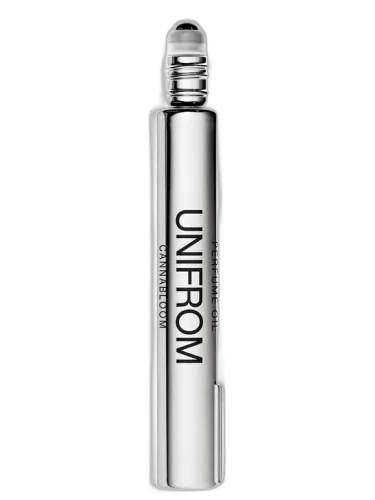
Uniform
Cannabloom Uniform
Shared accords: aromatic, cannabis, citrus
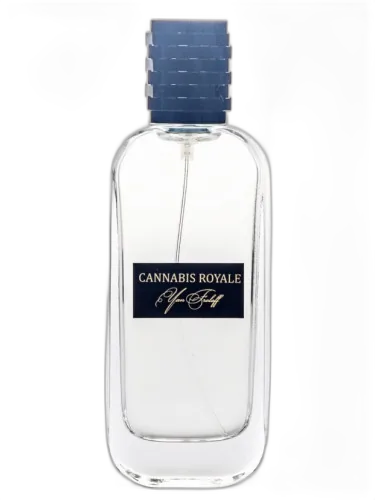
YanFroloff
Cannabis Royale Yanfroloff
Shared accords: aromatic, cannabis, citrus
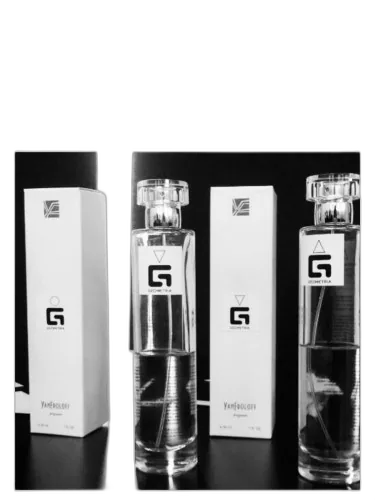
YanFroloff
Geometria ○ A Yanfroloff
Shared accords: aromatic, cannabis, green
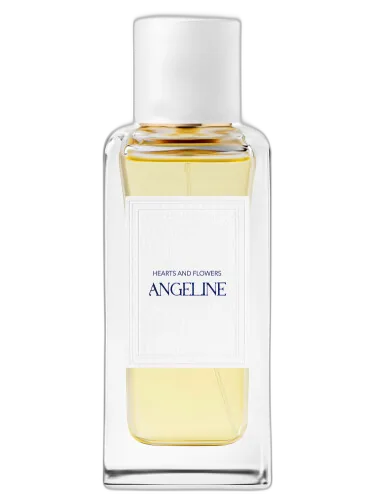
Angeline
Hearts And Flowers Angeline
Shared accords: aromatic, cannabis, green