

Boss Soul Hugo Boss
At a glance
Is Boss Soul Hugo Boss worth trying?
Boss Soul by Hugo Boss is a Oriental Spicy fragrance for men.
- Best match
- Evening, Special Occasion wear in Fall, Winter
- Performance feel
- Good longevity with Moderate sillage
- Signature profile
- warm spicy, aromatic, fresh spicy with Cardamom, Pepper, Anise
The first impression
Boss Soul by Hugo Boss is a Oriental Spicy fragrance for men. Boss Soul was launched in 2005. The nose behind this fragrance is Ursula Wandel. Top notes are Cardamom, Pepper, Anise, Mandarin Orange and Bergamot; middle notes are Cinnamon, Lavender, Nutmeg and Coriander; base notes are Vanilla, Tonka Bean, Amber, Vetiver and Musk.
What shapes the scent
The perfumer behind it

Ursula Wandel
Ursula Wandel is a perfumer who has contributed to a wide range of commercial and designer fragrances. Her portfolio includes scents for Adidas, Avon, Azzaro, Betty Barclay, Boucheron, and Cerruti, such as Adidas 3 Extreme Pour Elle, Pink Tonic, and 1881 Amber Pour Homme. She is known for creating accessible, mass-appeal compositions across various genres.
Notes pyramid
Top Notes
First impression · 15-30 min
 Cardamom
 Pepper
 Anise
Anise
 Mandarin Orange
 Bergamot
Heart Notes
Core character · 2-4 hours
 Cinnamon
 Lavender
 Nutmeg
 Coriander
Base Notes
Lasting impression · 4+ hours
 Vanilla
 Tonka Bean
 Amber
Amber
 Vetiver
 Musk
Musk
The mood it creates
The Boss Soul Wearer Archetype: Portrait of Boss Soul Hugo Boss
Essence
The person who chooses Boss Soul by Hugo Boss is governed by the Ruler archetype, a figure who seeks control, order, and mastery over their environment. This is not the tyrant, but the composed leader-someone who believes in structure, competence, and the quiet assertion of influence. They are drawn to fragrances that are refined yet assertive, and Boss Soul-with its blend of crisp citrus, warm woods, and a touch of spice-mirrors their balanced yet commanding presence.
Shadow
Yet, the Ruler’s strength is also their weakness. Their need for order can harden into rigidity. They may dismiss emotions as irrational, mistaking vulnerability for weakness. In moments of stress, they retreat into cold rationality, leaving others feeling unheard.
Their greatest fear is loss of control-whether over their career, their image, or their personal life. This can make them resistant to spontaneity, even when it might bring joy. They may mistake adaptability for instability, clinging to plans long after they’ve outlived their usefulness.
Conclusion
Their tastes are deliberate, neither ostentatious nor bland. They favor tailored clothing-clean lines, muted colors, fabrics that suggest durability rather than fleeting trends. Their home is similarly curated: functional elegance, nothing excessive, yet nothing sterile. They appreciate craftsmanship, whether in a well-made watch, a leather-bound notebook, or a precisely brewed espresso.
Philosophically, they believe in meritocracy-not as an abstract ideal, but as a lived principle. They trust systems that reward competence, and they expect the same from themselves. Their values revolve around responsibility, discipline, and self-possession. They are not prone to outbursts of emotion; instead, they measure their words, their actions, even their silences.
If you like this, try these
Fragrances with a comparable profile - shared accords, notes, and character.
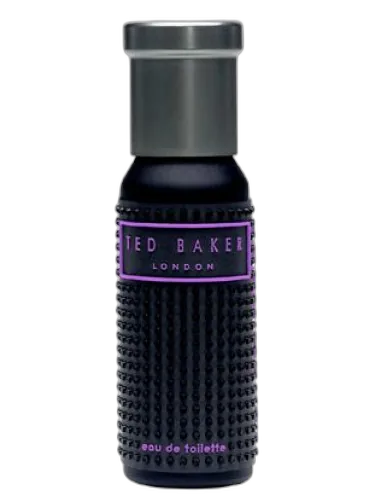
Ted Baker
Second Skin Ted Baker
Shared top notes: bergamot, cardamom

Benetton
Let's Move Benetton
Shared top notes: bergamot, mandarin orange, pepper
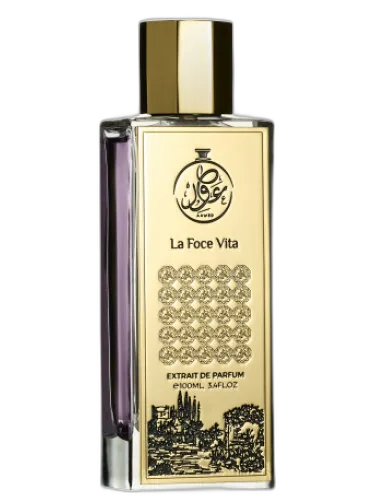
AAWED
La Foce Vita Aawed
Shared top notes: bergamot, cardamom, mandarin orange
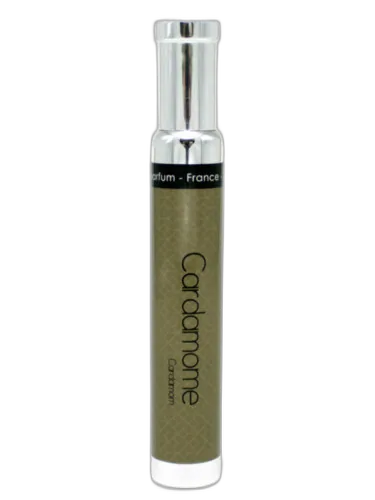
Adopt Parfums
Cardamome Adopt Parfums
Shared top notes: bergamot, cardamom
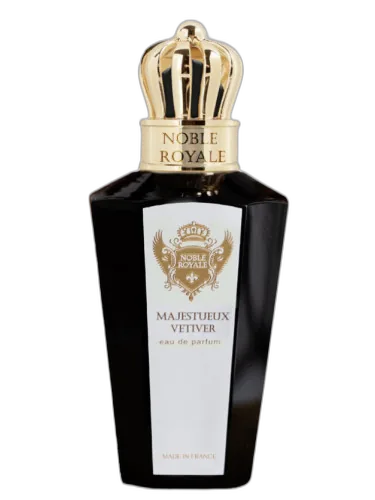
Noble Royale
Majestueux Vetiver Noble Royale
Shared top notes: bergamot, cardamom, pepper