
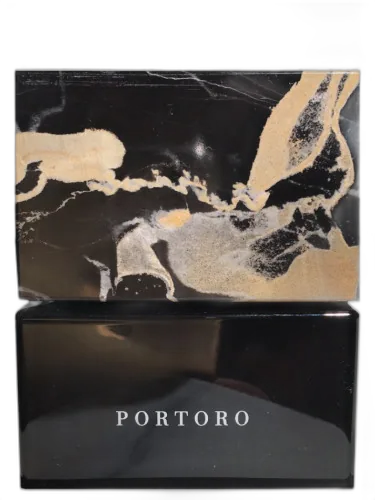
Portoro I Profumi Del Marmo
At a glance
Is Portoro I Profumi Del Marmo worth trying?
Portoro by I Profumi Del Marmo is a Floral Fruity fragrance for women and men.
- Best match
- Casual wear in Spring, Summer
- Performance feel
- Good longevity with Moderate sillage
- Signature profile
- fruity, sweet, woody with Pineapple, Strawberry, Apple
The first impression
Portoro by I Profumi Del Marmo is a Floral Fruity fragrance for women and men. Portoro was launched in 2016. The nose behind this fragrance is Arturetto Landi. Top notes are Pineapple, Strawberry, Apple, Lime and Plum; middle notes are Rose, Iris, Jasmine and Lily-of-the-Valley; base notes are White Musk, Cypriol Oil or Nagarmotha, Cedar, Sandalwood, Ambergris and Patchouli.
What shapes the scent
The perfumer behind it

Arturetto Landi
Arturetto Landi is an Italian perfumer known for his work with brands like Adjiumi and Al-Jazeera Perfumes. His style balances classic structure with bold contrasts, often blending rich resins with unexpected floral or gourmand notes. Notable creations include the complex 1918 Parfum National series and the intense, darkly sweet Adjiumi Incubo.
Notes pyramid
Top Notes
First impression · 15-30 min
 Pineapple
 Strawberry
 Apple
Apple
 Lime
Lime
 Plum
Plum
Heart Notes
Core character · 2-4 hours
 Rose
Rose
 Iris
Iris
 Jasmine
 Lily-of-the-Valley
Base Notes
Lasting impression · 4+ hours
 White Musk
 Cypriol Oil or Nagarmotha
 Cedar
Cedar
 Sandalwood
 Ambergris
 Patchouli
The mood it creates
The Sage Archetype: Portrait of Portoro I Profumi Del Marmo
Essence
To choose Portoro I Profumi Del Marmo is to embrace a fragrance that is both opulent and restrained-dark, mineral-rich, with a quiet intensity. It is not a scent for the frivolous or the fleeting; it is for one who seeks depth beneath the surface, who values the weight of history and the refinement of time. This person is drawn to the interplay of shadow and light, much like the marble from which the fragrance takes its name-smooth yet veined, polished yet ancient.
Shadow
The Sage’s greatest strength-their intellect-can also be their prison. When unbalanced, they may:
- Overanalyze to the point of paralysis, dissecting life until it loses its vitality.
- Disdain emotion as irrational, forgetting that wisdom without compassion is hollow.
- Isolate themselves, mistaking solitude for superiority.
They must remember that to know the world, one must also feel it.
Conclusion
The dominant archetype here is the Sage-the seeker of wisdom, the observer who values knowledge, reflection, and mastery. The Sage does not merely consume; they discern. They do not follow; they question. Their mind is their sanctuary, and their tastes reflect a preference for the enduring over the ephemeral.
Yet, like all archetypes, the Sage has a shadow. When unbalanced, they may retreat into intellectual detachment, becoming overly critical or aloof. Their pursuit of wisdom can harden into dogma, their love of depth can turn into disdain for simplicity.
If you like this, try these
Fragrances with a comparable profile - shared accords, notes, and character.
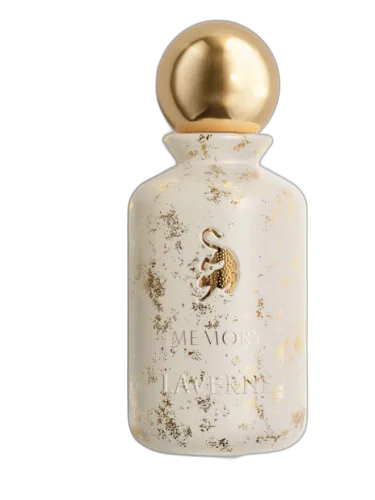
Laverne
Memory Laverne
Shared top notes: apple, lime, pineapple
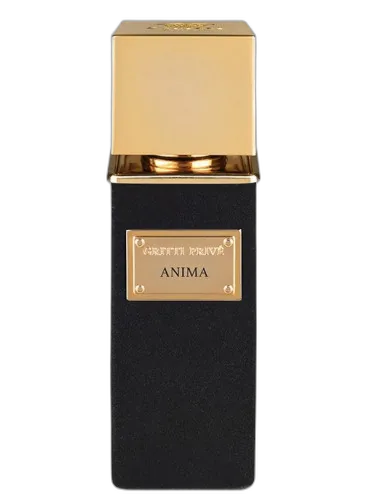
Gritti
Anima Gritti
Shared top notes: apple, lime, pineapple
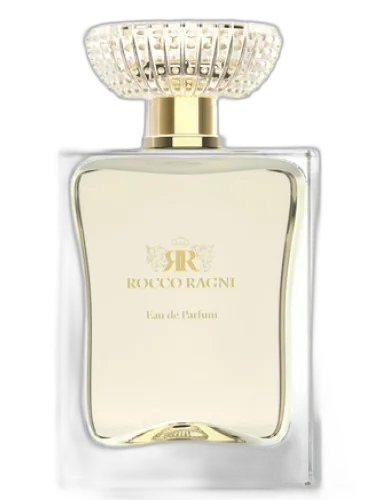
Rocco Ragni
Cashmere Cedar Rocco Ragni
Shared top notes: apple, lime, pineapple
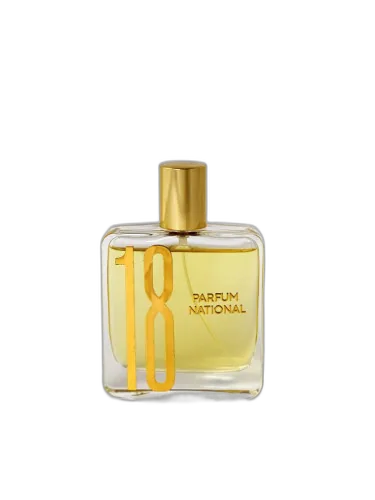
1918 Parfum National
18 Parfum National 1918 Parfum National
Shared top notes: apple, pineapple, plum
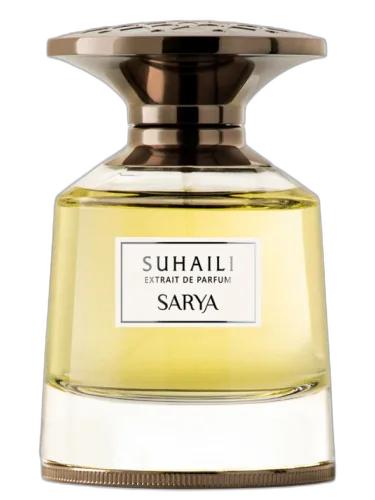
Sarya
Suhaili Sarya
Shared top notes: lime, pineapple, plum