
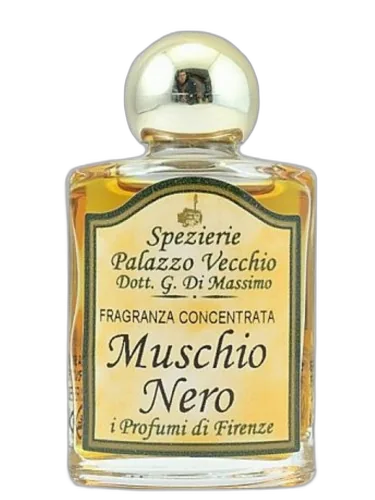

Muschio Nero I Profumi Di Firenze
At a glance
Is Muschio Nero I Profumi Di Firenze worth trying?
Muschio Nero by I Profumi di Firenze is a Woody Aromatic fragrance for women and men.
- Best match
- Evening, Special Occasion wear in Fall, Winter
- Performance feel
- Good longevity with Moderate sillage
- Signature profile
- woody, powdery, musky with White Musk, Patchouli, Oakmoss
The first impression
Muschio Nero by I Profumi di Firenze is a Woody Aromatic fragrance for women and men. The nose behind this fragrance is Giovanni Di Massimo.
What shapes the scent
The perfumer behind it

Giovanni Di Massimo
Giovanni Di Massimo has developed numerous fragrances for I Profumi di Firenze, such as Acqua Chiara and Ambra Del Nepal. His work includes a wide range of styles, from fresh citrus to warm amber. Di Massimo's creations often reflect Italian olfactory traditions.
Notes pyramid
All Notes
Complete scent profile
 White Musk
 Patchouli
 Oakmoss
 Violet
 Sandalwood
 Orange
 Vanilla
 Lily-of-the-Valley
 Ylang-Ylang
The mood it creates
The Mystic Archetype: Portrait of Muschio Nero I Profumi Di Firenze
Essence
The Mystic archetype is a seeker of hidden truths, one who dwells in the liminal spaces between the seen and the unseen. Muschio Nero is the scent of this inner world, a fragrance that is dark, complex, and deeply spiritual. It is the smell of an ancient forest at twilight, of damp earth and moss-covered stones, of incense smoke curling in a candlelit room. The wearer of this fragrance is someone who is drawn to the mysteries of existence, who finds comfort in the shadows and wisdom in the silence. The opening of white musk and patchouli is a veil of incense, while the heart of violet and oakmoss is a whisper of forgotten lore. The base of sandalwood and vanilla is a grounding, sacred anchor.
Style & Aesthetic
The Mystic's style is ethereal, timeless, and often androgynous. Their wardrobe is built around dark, rich colors: deep purples, forest greens, charcoal grays, and blacks. Fabrics are natural and textured: velvet, linen, wool, and silk. They favor flowing silhouettes, layered garments, and pieces that feel like they have a history. The aesthetic is one of quiet power, of a person who is not concerned with trends but with the energy of what they wear. Accessories are talismanic: a crystal pendant, a silver ring, a scarf woven with a sacred pattern. Their style is a reflection of their inner landscape, a visual representation of their connection to the unseen world.
Philosophy & Values
The Mystic values wisdom, introspection, and a connection to the divine. They believe that the material world is only a shadow of a deeper reality, and they spend their lives seeking to understand that reality. Their philosophy is one of non-attachment, of seeing the impermanence of all things. They are drawn to ancient traditions, to meditation, to the study of esoteric texts. They value silence and solitude, seeing them as essential for inner growth. They are not interested in superficiality or material wealth; they seek the riches of the soul. They believe that the answers to life's greatest questions lie within, and they are committed to the long, slow journey of self-discovery.
Relationships
In relationships, the Mystic is a deep and enigmatic presence. They are not interested in small talk or superficial connections; they seek soul-to-soul encounters. They are drawn to others who are on a similar spiritual path, who understand the value of silence and introspection. Friendships are few but profound, built on a foundation of mutual respect and shared inner work. In romance, they are intense and loyal, but they also need a great deal of space and solitude. They are not possessive, but they are deeply committed. They need a partner who can honor their need for mystery, who is not threatened by their inner world. They are the ones who will love you not in spite of your shadows, but because of them.
Lifestyle
The Mystic's lifestyle is one of ritual and contemplation. Their home is a sacred space, filled with altars, crystals, books on philosophy and spirituality, and objects from nature. Their days begin with meditation or prayer, and they often incorporate rituals into their daily life: lighting a candle, burning incense, brewing a special tea. They are drawn to nature, spending time in forests, by the sea, or in the mountains. They might practice yoga, tai chi, or another contemplative discipline. Their diet is often simple and mindful, favoring whole foods. They are not driven by ambition in the conventional sense; their work is their spiritual practice, whether that is as a healer, a teacher, an artist, or a seeker.
Shadow
The Mystic's shadow is a tendency towards detachment and a risk of losing touch with the material world. Their deep immersion in the inner realm can lead to a neglect of practical responsibilities and relationships. They may become isolated, using their spiritual pursuits as a way to avoid the messiness of human connection. There is also a danger of spiritual pride, of believing that their path is the only true path. The shadow of Muschio Nero is the risk of becoming lost in the darkness, of mistaking the shadows of the mind for the light of the soul. They must remember that true mysticism is not about escaping the world, but about bringing the light of awareness into every aspect of it.
Conclusion
Muschio Nero is a profound olfactory expression of the Mystic archetype, a fragrance that invites the wearer into a world of depth, shadow, and sacred mystery. It is the scent of a soul on a journey, a blend of dark, earthy notes and soft, ethereal florals, grounded by the warmth of sandalwood and vanilla. This fragrance is an invitation to turn inward, to explore the hidden chambers of the heart, and to find the light that shines in the darkness. It is a reminder that the most profound truths are often found not in the bright light of day, but in the quiet, fertile soil of the night.
If you like this, try these
Fragrances with a comparable profile - shared accords, notes, and character.
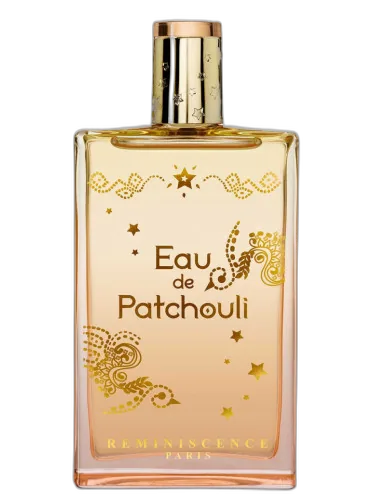
Reminiscence
Eau De Patchouli Reminiscence
Shared top notes: patchouli, sandalwood, white musk
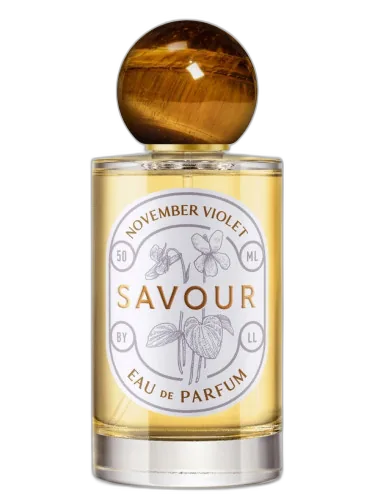
Savour
November Violet Savour
Shared top notes: oakmoss, patchouli, sandalwood
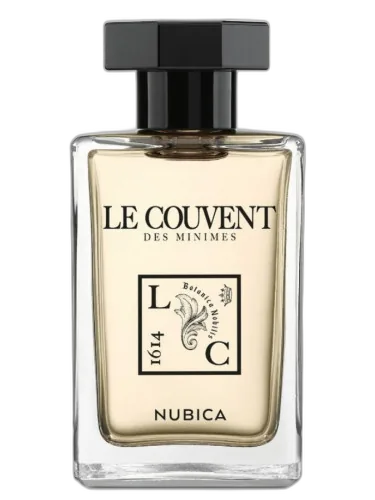
Le Couvent Maison de Parfum
Nubica Le Couvent Maison De Parfum
Shared top notes: patchouli, vanilla
Alkemia Perfumes
Vanille Patchouli Alkemia Perfumes
Shared top notes: patchouli, vanilla
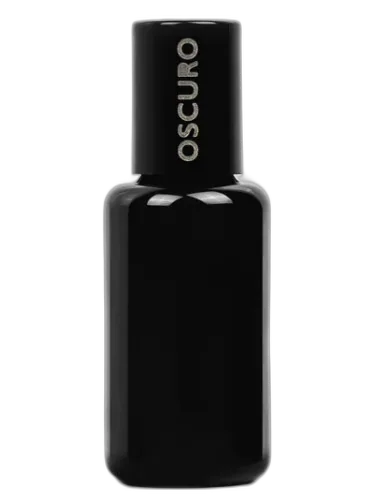
MONOM
Oscuro Monom
Shared top notes: patchouli, sandalwood, white musk