


Jardin De Bali Id Parfums
At a glance
Is Jardin De Bali Id Parfums worth trying?
Jardin de Bali by ID Parfums is a Floral fragrance for women.
- Best match
- Evening wear in Fall, Winter
- Performance feel
- Good longevity with Moderate sillage
- Signature profile
- warm spicy, tuberose, yellow floral with Cloves, Bergamot, Tuberose
The first impression
Jardin de Bali by ID Parfums is a Floral fragrance for women. The nose behind this fragrance is Cecile Matton. Top notes are Cloves and Bergamot; middle notes are Tuberose and Ylang-Ylang; base notes are Licorice, Vanilla and Benzoin.
What shapes the scent
The perfumer behind it

Cecile Matton
Cecile Matton has worked with brands such as BDK Parfums, Chloé, Diptyque, and Etat Libre d'Orange. Her creations include Tubereuse Imperiale, Nomade Lumiere D'egypte, and Venise, showcasing a range from rich florals to bold, artistic scents. She is recognized for her versatility and ability to interpret diverse briefs.
Notes pyramid
Top Notes
First impression · 15-30 min
 Cloves
 Bergamot
Heart Notes
Core character · 2-4 hours
 Tuberose
 Ylang-Ylang
Base Notes
Lasting impression · 4+ hours
 Licorice
 Vanilla
 Benzoin
The mood it creates
The Lover Archetype: Portrait of Jardin De Bali Id Parfums
Essence
The person who adores Jardin De Bali by ID Parfums is most closely aligned with the Mystic archetype-a seeker of hidden truths, a wanderer between worlds, drawn to the liminal spaces where the sensual and the spiritual intertwine. This fragrance, with its lush tropical florals, exotic spices, and warm vanilla, evokes a dreamscape, a paradise both earthly and transcendent. The Mystic does not merely wear a scent; they inhabit it, as if it were a whispered secret from a realm just beyond ordinary perception.
Style & Aesthetic
Their style is an effortless fusion of the bohemian and the refined-flowing silks, rich textures, jewelry with an air of antiquity, as if each piece carries a story. They favor garments that move with them, that catch the light and the wind, as though they are part of the landscape rather than merely passing through it. Their home is a sanctuary of curated beauty: incense lingering in the air, shelves lined with poetry and philosophy, a collection of objects from distant travels-each one a talisman of memory.
They are drawn to art that evokes mystery-symbolist paintings, Sufi poetry, the films of Tarkovsky. Music for them is not mere entertainment but an invocation-they lose themselves in the hypnotic rhythms of traditional gamelan, the haunting melodies of Middle Eastern oud, or the meditative drones of ambient soundscapes.
Philosophy & Values
To the Mystic, life is not a problem to be solved but a riddle to be contemplated. They reject rigid dogma, preferring instead a personal spirituality woven from threads of Eastern mysticism, Jungian psychology, and pagan earth-wisdom. They believe in synchronicity, in the language of dreams, in the idea that the universe speaks in symbols. Their morality is not one of strict rules but of intuition-they trust the wisdom of the body, the gut feeling that whispers beneath logic.
They value depth over breadth in relationships, seeking connections that feel fated rather than convenient. Their friendships are intense, often marked by long, meandering conversations that stretch into the early hours. Romantic partners must be willing to journey with them into the unknown-superficiality repels them. Yet, they are not possessive; they understand love as an expansive force, not a cage.
Shadow
Yet the Mystic is not without their demons. Their detachment from the mundane can tip into escapism-retreating into fantasy when reality becomes too banal or painful. They may struggle with consistency, their passions flaring brightly before waning, leaving projects half-finished. Their intuition, though powerful, can become a form of arrogance-assuming they know without needing to question.
Relationships may suffer from their idealism-they crave a love that feels mythic, and when the inevitable ordinariness of human connection sets in, they may grow restless, seeking the next transcendent experience. They can be elusive, even to themselves-so fluid in identity that they sometimes forget who they are when the masks are removed.
Conclusion
Their greatest gift is their ability to perceive the unseen-the emotions unspoken, the patterns beneath chaos. They are natural empaths, often the confidants of those in turmoil, because they listen not just to words but to silences. They have an almost shamanic capacity to guide others through transitions, helping them navigate grief, transformation, or creative blocks.
Creativity flows through them like a subterranean river-they may write, paint, or compose, not for fame but because expression is a form of prayer. Their presence is calming, intoxicating; people feel more alive around them, as if the world’s colors grow richer in their company.
If you like this, try these
Fragrances with a comparable profile - shared accords, notes, and character.

Reminiscence
Crazy Rem Reminiscence
Shared top notes: bergamot

Caron
Tubéreuse Merveilleuse Caron
Shared heart notes: tuberose, ylang-ylang
Acqua di Genova
Tuberosa Acqua Di Genova
Shared top notes: cloves
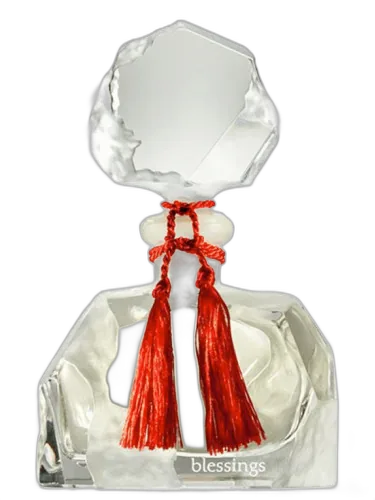
Belinda Brown
Blessings Red Belinda Brown
Shared top notes: bergamot, cloves

Guerlain
Belle Epoque Limited Edition Guerlain
Shared heart notes: tuberose, ylang-ylang