
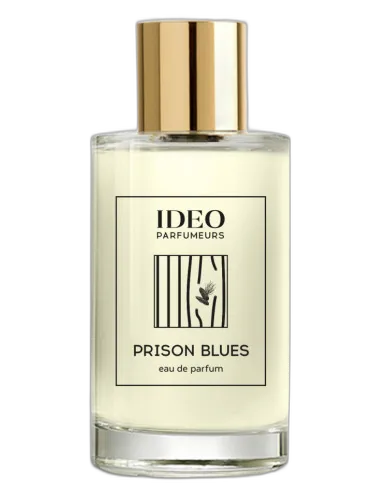

Prison Blues Ideo Parfumeurs
At a glance
Is Prison Blues Ideo Parfumeurs worth trying?
Prison Blues by IDEO Parfumeurs is a Woody Spicy fragrance for women and men.
- Best match
- Evening wear in Fall
- Performance feel
- Very Good longevity with Strong sillage
- Signature profile
- warm spicy, woody, amber with Cardamom, Black Pepper, Rosebay Willowherb
The first impression
Prison Blues by IDEO Parfumeurs is a Woody Spicy fragrance for women and men. Prison Blues was launched in 2016. The nose behind this fragrance is Marie Duchêne. Top notes are Cardamom, Black Pepper and Rosebay Willowherb; middle notes are Incense, Cedar and Geranium; base notes are Patchouli, Agarwood (Oud), Labdanum and Musk.
What shapes the scent
The perfumer behind it

Marie Duchêne
Marie Duchêne is a perfumer who has developed a wide array of fragrances for ASMR Fragrances, including Bonfire Whisper, Chocolate Crush, Grass Tickles, Hair Salon Grooming, Ocean Relaxation, Rain Tapping, Slime Satisfaction, and Yummy Tingles. Her work often translates sensory experiences into olfactory compositions. She creates scents that evoke specific moods and atmospheres.
Notes pyramid
Top Notes
First impression · 15-30 min
 Cardamom
 Black Pepper
 Rosebay Willowherb
Heart Notes
Core character · 2-4 hours
 Incense
 Cedar
Cedar
 Geranium
Base Notes
Lasting impression · 4+ hours
 Patchouli
 Agarwood (Oud)
 Labdanum
 Musk
Musk
The mood it creates
The Explorer Archetype: Portrait of Prison Blues Ideo Parfumeurs
Essence
To wear Prison Blues by Ideo Parfumeurs is to embrace an olfactory paradox-a scent that is at once raw and refined, rebellious yet introspective. This fragrance, with its smoky leather, bitter citrus, and dark woods, speaks to someone who refuses to be confined by convention. They are the Rebel, an archetype that thrives on defiance, authenticity, and the relentless pursuit of personal freedom.
This person lives by an unspoken creed: rules are made to be questioned, boundaries to be tested. They are drawn to the scent’s rugged, almost prison-like austerity-not because they romanticize suffering, but because they see beauty in resistance. Their life is a series of deliberate choices that reject the mundane, the expected, the safe.
Their style is a study in contrasts-worn leather jackets over tailored shirts, scuffed boots paired with immaculate denim. They prefer the tactile over the polished, the lived-in over the pristine. Their home is a sanctuary of raw textures: exposed brick, unfinished wood, the faint scent of tobacco lingering in the air. They surround themselves with objects that tell stories-vintage typewriters, dog-eared books, vinyl records with crackling histories.
Philosophy & Values
Freedom is their highest ideal, but not the reckless kind. Their rebellion is measured, almost philosophical. They do not destroy for destruction’s sake; they dismantle only what they find hollow. They despise hypocrisy, pretense, and blind obedience. Their moral compass is internal, unwavering, and often uncompromising.
They believe in the power of discomfort. Growth, to them, comes from friction-from pushing against the grain of expectation. They are drawn to thinkers like Nietzsche, Camus, and Bukowski, who celebrated the individual’s struggle against conformity. Yet, unlike the aimless cynic, they channel their defiance into creation. They may write, paint, or build-anything that allows them to leave a mark on the world, however small.
Relationships
Their relationships are intense but selective. They do not suffer fools gladly, and their circle is small but fiercely loyal. They attract those who crave authenticity but repel those who prefer the comfort of illusions. Romantic partners are drawn to their magnetism, their refusal to perform, their raw honesty-but these same qualities can make intimacy difficult.
They are not cruel, but they are blunt. Their words cut when they must, and they have little patience for emotional manipulation. Their love is deep but demanding; they expect the same unflinching honesty they give. Some find this refreshing, others exhausting.
Shadow
Yet, every archetype has its shadow. Their defiance, when unchecked, can curdle into self-sabotage. They may reject opportunities out of sheer stubbornness, mistaking compromise for capitulation. Their disdain for authority can blind them to wisdom that comes from experience.
At their worst, they become the very thing they despise-a prisoner of their own rebellion. They may isolate themselves, mistaking solitude for strength, or grow cynical, dismissing all tradition as worthless. Their greatest fear is not failure, but irrelevance-being just another voice lost in the noise of conformity.
Conclusion
In the end, the person who wears Prison Blues is neither a criminal nor a martyr. They are simply someone who refuses to be defined by anything but their own convictions. Their life is a series of small insurrections-against expectation, against complacency, against the quiet erosion of self.
They are not always easy to love, but they are impossible to ignore. And in a world that often demands surrender, their refusal to bend is itself a kind of poetry.
If you like this, try these
Fragrances with a comparable profile - shared accords, notes, and character.
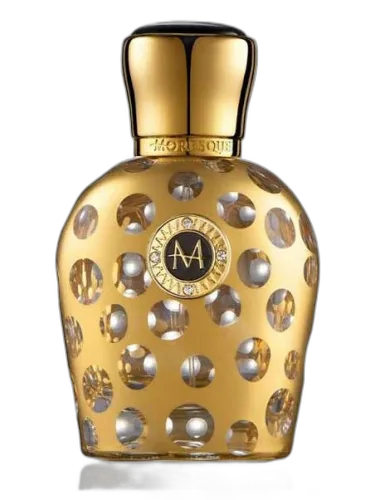
Moresque
Oroluna Moresque
Shared top notes: cardamom
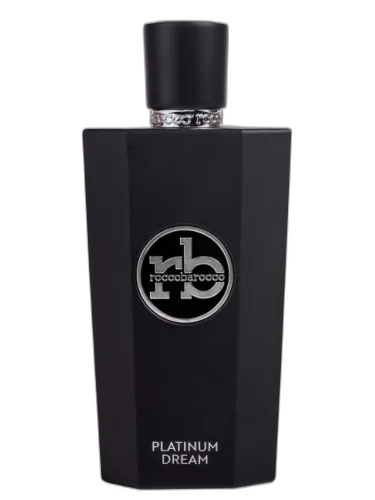
Roccobarocco
Platinum Dream Roccobarocco
Shared top notes: cardamom
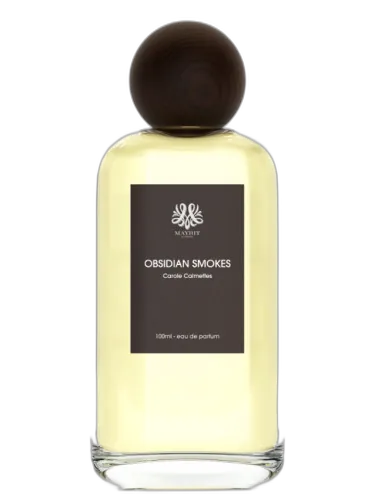
Mayrit
Obsidian Smokes Mayrit
Shared top notes: cardamom
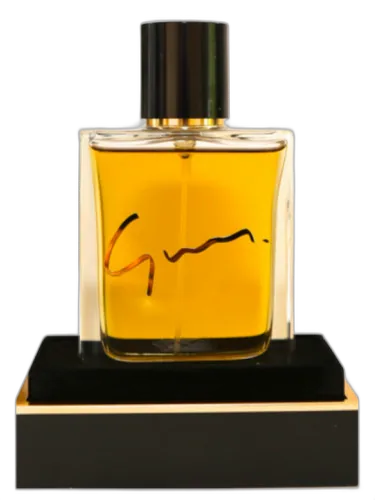
Glenn Bracke
The Scent Of Art Glenn Bracke
Shared top notes: black pepper
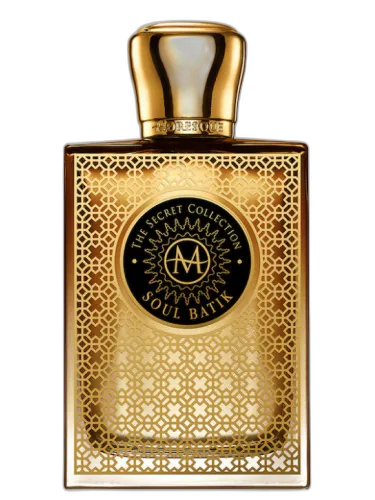
Moresque
Soul Batik Moresque
Shared top notes: cardamom