
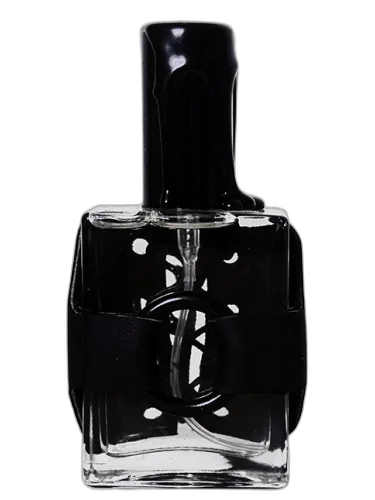
De Mauvais Augure Ikiryō
Fragrance Story
De Mauvais Augure by Ikiryō is a fragrance for women and men. De Mauvais Augure was launched in 2016. The nose behind this fragrance is Vincent of Dreamhouse.
Composition Profile
About the Perfumer

Vincent of Dreamhouse
Vincent of Dreamhouse is the creative force behind the Ikiryō line, crafting evocative scents such as Ame Torturée, Applerum And Jasmine, and Blood Cherry Cordial. His work explores a range of moods, from the playful Damn Hippie to the mysterious De Mauvais Augure. Each fragrance reflects a distinct narrative, blending unexpected notes into cohesive olfactory stories.
Fragrance Notes
All Notes
Complete scent profile
 Mahogany
 Juniper
 Smoke
Smoke
 Peru Balsam
 Almond
 Creme Brulee
 Teak Wood
Clove
Teak Wood
Clove
 Cashmeran
 Pink Pepper
 Neroli
De Mauvais Augure Ikiryō by Ikiryō offers a distinctive olfactory experience that stands out from other fragrances in its category.
Crafted with the finest ingredients and a blend of traditional and modern perfumery techniques, this fragrance represents the pinnacle of the perfumer's art.
De Mauvais Augure Ikiryō embodies the distinctive style of Ikiryō while adding a unique chapter to their fragrance portfolio.
Character Profile
The Archetype Archetype: Portrait of De Mauvais Augure Ikiryō
Essence
This person is most closely defined by the Mystic archetype-one who seeks the hidden, the esoteric, and the liminal. They are drawn to the spaces between worlds, where meaning is not given but discovered. The fragrance De Mauvais Augure Ikiryō (which evokes omens, spirits, and the uncanny) is not merely a scent to them but a sigil-an invocation of something deeper, something unseen.
The Mystic does not accept the surface of things. They are compelled to peel back layers, to question what others take for granted. Their life is a search for the ineffable, whether through art, philosophy, or personal ritual. Yet, like all archetypes, the Mystic has a shadow-one that can slip into obsession, isolation, or a refusal to engage with the mundane necessities of life.
Style & Aesthetic
Their tastes are deliberate, almost ceremonial. They favor textures that suggest age and mystery-worn leather, oxidized silver, velvet that has absorbed decades of candle smoke. Their wardrobe is a carefully curated archive of symbols: a coat lined with embroidered sigils, a ring that belonged to someone long dead, boots that have traversed both city streets and forgotten ruins.
In art, they are drawn to the surreal, the gothic, and the occult-not for shock value, but because these works speak in a language they understand. They might collect antique tarot decks, obscure grimoires, or fragments of religious iconography repurposed into personal altars. Music for them is not mere entertainment but an invocation-dark ambient soundscapes, neoclassical compositions, or folk songs that hum with ancestral memory.
They do not live conventionally. Their home is a sanctuary, filled with incense, old books, and artifacts that seem to hum with energy. They might work in a field that allows for introspection-writing, art, occult studies, or even a seemingly mundane job that they imbue with personal symbolism.
They are not afraid of darkness, either literal or metaphorical. They walk at night, not out of melancholy, but because the world feels more alive then. They listen to the silence between words, the spaces where meaning pools like ink.
Philosophy & Values
They reject dogma but are deeply spiritual in their own way. Their philosophy is a patchwork of influences-Eastern mysticism, Western esotericism, fragments of Nietzschean thought, and personal gnosis. They believe in the power of symbols, in the idea that reality is a palimpsest of deeper meanings waiting to be deciphered.
Their values are rooted in authenticity-not in the shallow modern sense of "being true to oneself," but in the older, more demanding sense of aligning one’s life with hidden laws. They despise hypocrisy, small talk, and the trivialities of consumer culture. Yet this very disdain can become a flaw-when they dismiss the ordinary as "beneath them," they risk losing touch with the human connections that sustain even the most enlightened souls.
Relationships
They do not have many friends, but the ones they do have are bound to them by unspoken pacts. Their relationships are intense, often marked by deep conversations at odd hours, shared rituals, or silent understanding. They attract those who sense something otherworldly in them-the seekers, the wounded, the poets.
Romantically, they are drawn to partners who mirror their depth, but this can lead to cycles of idealization and disillusionment. They crave a love that feels fated, but fate is a cruel muse-it often leaves them waiting for a sign that never comes. Their shadow here is a tendency to romanticize solitude, to mistake isolation for wisdom.
Shadow
For all their insight, they are not immune to self-deception. Their search for deeper meaning can become a labyrinth with no exit-a refusal to accept that some things simply are, without hidden significance. They may fall into the trap of seeing omens everywhere, mistaking coincidence for destiny.
Their greatest flaw is their occasional contempt for the mundane. Life cannot always be a grand ritual; sometimes, one must pay bills, make small talk, and exist in the daylight world. If they refuse this balance, they risk becoming a ghost in their own life-haunting the edges of reality but never fully inhabiting it.
Conclusion
They are neither saint nor madman, but something in between-a person who has chosen to walk with one foot in the unseen. De Mauvais Augure Ikiryō is their scent because it is a whisper of the unknown, a reminder that reality is stranger than it seems.
They will always be searching. The question is whether they will learn to find meaning not just in the hidden, but in the ordinary-the quiet miracle of existence itself.
Similar Fragrances
Fragrances with a comparable profile - shared accords, notes, and character.
Ikiryō
De Mauvais Augure Ikiryō
Shared accords: almond, amber, aromatic
Parfumeurs du Monde
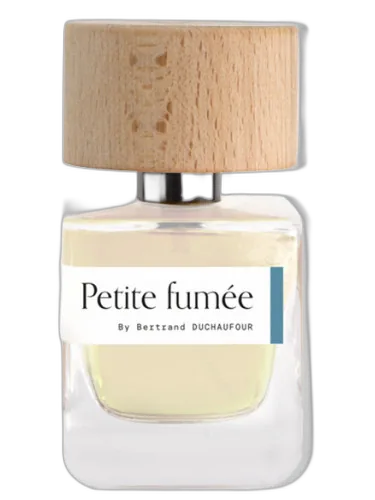
Petite Fumee Parfumeurs Du Monde
Shared accords: almond, amber, aromatic
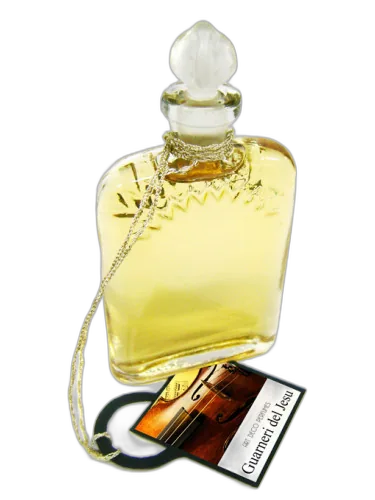
Art Deco Perfumes
Guarneri Del Jesu Art Deco Perfumes
Shared accords: amber, aromatic, balsamic
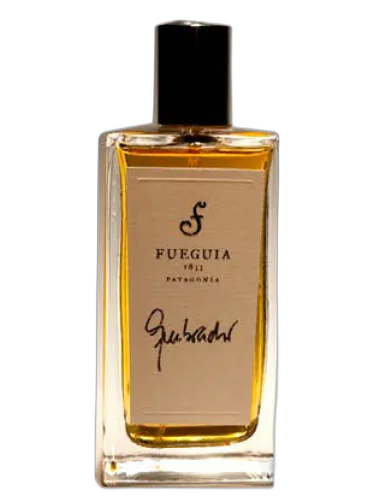
Fueguia 1833
Quebracho Fueguia 1833
Shared accords: amber, aromatic, balsamic

DS&Durga
Mississippi Medicine Ds&durga
Shared accords: amber, aromatic, balsamic