


Sad Cypress Ikiryō
Fragrance Story
Sad Cypress by Ikiryō is a fragrance for women and men. Sad Cypress was launched in 2016. The nose behind this fragrance is Vincent of Dreamhouse.
Composition Profile
About the Perfumer

Vincent of Dreamhouse
Vincent of Dreamhouse is the creative force behind the Ikiryō line, crafting evocative scents such as Ame Torturée, Applerum And Jasmine, and Blood Cherry Cordial. His work explores a range of moods, from the playful Damn Hippie to the mysterious De Mauvais Augure. Each fragrance reflects a distinct narrative, blending unexpected notes into cohesive olfactory stories.
Fragrance Notes
All Notes
Complete scent profile
 Honey
Honey
.jpg) Agarwood (Oud)
Agarwood (Oud)
 Neroli
 Cypress
 Peru Balsam
 Mahogany
 Iso E Super
 Magnolia
 Creme Brulee
 Castoreum
 Artemisia
 Martini
Sad Cypress Ikiryō by Ikiryō offers a distinctive olfactory experience that stands out from other fragrances in its category.
Crafted with the finest ingredients and a blend of traditional and modern perfumery techniques, this fragrance represents the pinnacle of the perfumer's art.
Sad Cypress Ikiryō embodies the distinctive style of Ikiryō while adding a unique chapter to their fragrance portfolio.
Character Profile
The Wounded Healer Archetype: Portrait of Sad Cypress Ikiryō
Essence
To wear Sad Cypress Ikiryō is to embrace the scent of quiet melancholy, of ancient forests and whispered secrets. This fragrance-dark, resinous, with hints of smoke and damp earth-speaks to a soul who dwells in the liminal spaces between life and memory. They are not merely drawn to the perfume’s notes but to its essence: the ghostly presence of something lost yet lingering.
This person is most closely aligned with the Wounded Healer, an archetype embodied by Chiron, the immortal centaur who could heal others but never himself. They carry an innate understanding of suffering, not as something to flee from but as a wellspring of wisdom. Their wounds-whether emotional, existential, or spiritual-have shaped them into a guide for others, though they often struggle to apply their own medicine to themselves.
Style & Aesthetic
Their wardrobe is a study in muted elegance-dark greens, deep browns, blacks softened by texture rather than starkness. They favor natural fabrics: linen that wrinkles with time, wool that carries the scent of rain. Their jewelry, if they wear any, is understated, often antique, as if carrying the weight of past lives.
Their living space reflects the same ethos: dim lighting, aged wood, books with cracked spines. There is an intentional imperfection to their surroundings, as though they reject the sterile polish of modernity in favor of something more organic, more human.
They thrive in environments that allow for introspection-a cabin in the woods, a dimly lit café at midnight, a library where time moves differently. Their work often involves caregiving, art, or philosophy-anything that bridges the seen and unseen.
They are not ascetics, but they are selective in their pleasures. A glass of bitter red wine, the slow unfurling of a vinyl record, the scent of old paper-these are their luxuries. They do not chase euphoria but savor the bittersweet.
Philosophy & Values
They believe in the necessity of pain. Not in a masochistic sense, but as an inevitable teacher. Their philosophy is one of resilient acceptance-life is neither fair nor cruel, but it is profound in its capacity to transform. They value depth over surface, silence over noise, and authenticity over performance.
Yet, this wisdom comes at a cost. They sometimes mistake suffering for nobility, believing that only through enduring hardship can one truly understand life. This can lead to a quiet fatalism, a reluctance to seek joy for fear it might dilute their hard-earned insight.
Relationships
They attract those in need of solace. Friends come to them with confessions, lovers with unspoken fears. They listen without judgment, offering not solutions but presence. Yet, their own vulnerability is carefully rationed-they fear that revealing too much might shatter the image others have of them as the steady one.
Romantically, they are drawn to intensity, but not chaos. They seek partners who understand the language of silence, who do not mistake their quietude for indifference. Their love is deep but guarded, a flame that burns low but long.
Shadow
Their greatest flaw is their self-sacrificial instinct. They can become so accustomed to being the healer that they forget to be healed. Their shadow is the martyr who derives identity from suffering, who resists happiness not out of humility but out of fear-fear that without pain, they might lose their purpose.
At their worst, they withdraw into melancholy, romanticizing isolation. They may resent those who seem untouched by sorrow, seeing them as shallow, while secretly envying their lightness.
Similar Fragrances
Fragrances with a comparable profile - shared accords, notes, and character.
Ikiryō
Sad Cypress Ikiryō
Shared accords: amber, aromatic, citrus
Areej Le Doré
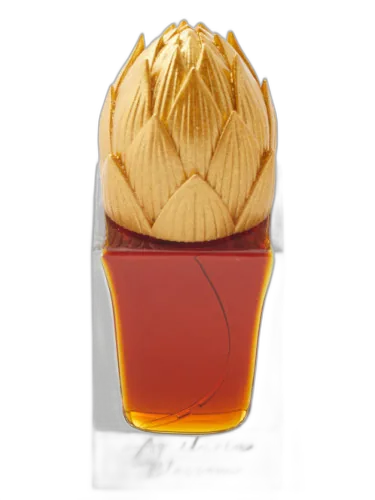
Aquilaria Blossom Areej Le Doré
Shared accords: amber, aromatic, citrus

Pink MahogHany Fragrances
Le Minimaliste (version Ii) Pink Mahoghany Fragrances
Shared accords: amber, aromatic, citrus

Alkemia Perfumes
The Love Song Of Shu-sin Alkemia Perfumes
Shared accords: amber, aromatic, fresh spicy

Aurora Scents
Roadster Aurora Scents
Shared accords: amber, aromatic, citrus