
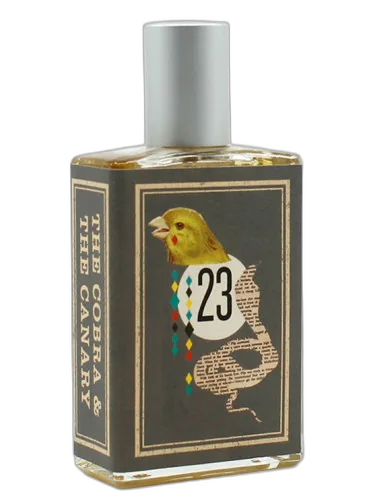

The Cobra And The Canary Imaginary Authors
At a glance
Is The Cobra And The Canary Imaginary Authors worth trying?
The Cobra and The Canary by Imaginary Authors is a Woody Spicy fragrance for women and men.
- Best match
- Evening wear in Fall, Winter
- Performance feel
- Good longevity with Moderate sillage
- Signature profile
- leather, green, iris with Leather, Hay, Iris
The first impression
The Cobra and The Canary by Imaginary Authors is a Woody Spicy fragrance for women and men. The Cobra and The Canary was launched in 2012. The nose behind this fragrance is Josh Meyer.
What shapes the scent
The perfumer behind it

Josh Meyer
Josh Meyer founded Imaginary Authors and Dasein, creating fragrances such as A City On Fire, Winter Green, and A Whiff Of Waffle Cone. He also composed L.A. She Called But He Was Unreachable for Anthropologie. Meyer is known for his narrative-driven, evocative scents.
Notes pyramid
All Notes
Complete scent profile
 Leather
 Hay
Hay
 Iris
Iris
 Lemon
Lemon
The mood it creates
The Alchemist Archetype: Portrait of The Cobra And The Canary Imaginary Authors
Essence
The person who cherishes The Cobra and the Canary by Imaginary Authors is an Alchemist-a seeker who transforms the mundane into the extraordinary. This fragrance, with its dissonant blend of leather, gasoline, and citrus, is not for the timid. It is for those who embrace contradiction, who find beauty in the collision of danger and delicacy. The Alchemist does not merely wear a scent; they embody a philosophy-one that thrives on reinvention, curiosity, and a touch of rebellion.
Relationships
In relationships, they are magnetic but not always constant. They inspire fascination, drawing others into their orbit with wit, charm, and an air of mystery. Yet their love is like their fragrance-intoxicating but fleeting. They resist confinement, fearing that commitment might dull their edge. Their closest bonds are with those who understand their need for space, who do not mistake independence for indifference.
They are not cruel, but they are not always kind. Their shadow emerges when their relentless pursuit of novelty leaves others feeling discarded. They may rationalize detachment as intellectual honesty, but beneath it lies a fear-that stillness might reveal something they are not ready to face.
Shadow
The Alchemist’s greatest flaw is their tendency to outrun themselves. In their quest for transformation, they risk becoming untethered, a perpetual wanderer who never settles long enough to integrate their discoveries. Their brilliance can curdle into restlessness, their curiosity into a refusal to commit-to people, to ideas, even to their own potential.
At their worst, they may romanticize chaos, mistaking destruction for creation. They might sabotage stability, not because it is wrong, but because it is unfamiliar. The true alchemical work is not just in breaking things apart, but in forging something new from the pieces.
Conclusion
Their tastes are eclectic, drawn to the unconventional. In music, they might favor the raw energy of garage rock or the haunting complexity of avant-garde jazz. In literature, they gravitate toward works that challenge perception-Borges, Pynchon, or Burroughs-where reality bends and meaning is fluid. Their style is a carefully curated paradox: vintage leather jackets paired with crisp linen, or sleek modern tailoring disrupted by a single unexpected accessory.
Philosophy is not an abstract exercise for them-it is lived. They reject rigid dogma, instead embracing a worldview where truth is mutable, shaped by experience. They value freedom above all, but not the hollow kind; theirs is the freedom to question, to dismantle, to rebuild. They are drawn to those who think differently, who can spar with ideas without retreating into dogma.
If you like this, try these
Fragrances with a comparable profile - shared accords, notes, and character.
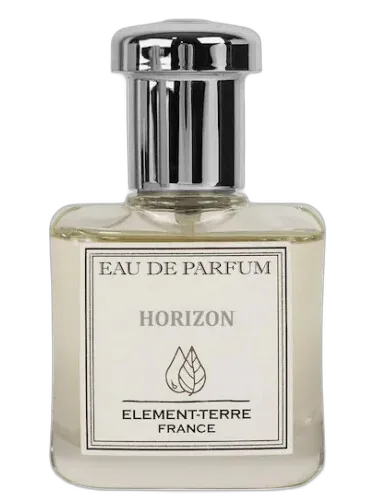
Element Terre
Horizon Element Terre
Shared top notes: iris, leather
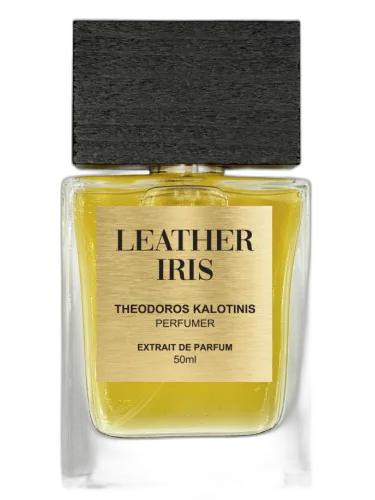
Theodoros Kalotinis
Leather Iris Theodoros Kalotinis
Shared top notes: iris, leather
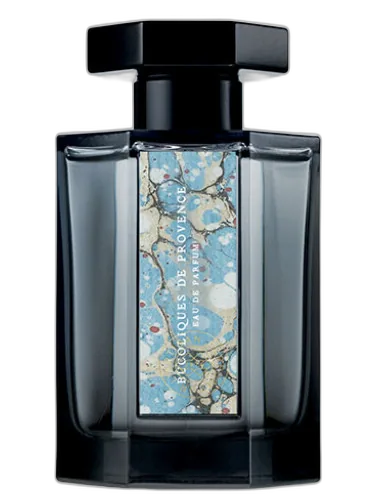
L'Artisan Parfumeur
Bucoliques De Provence L'artisan Parfumeur
Shared top notes: iris, leather
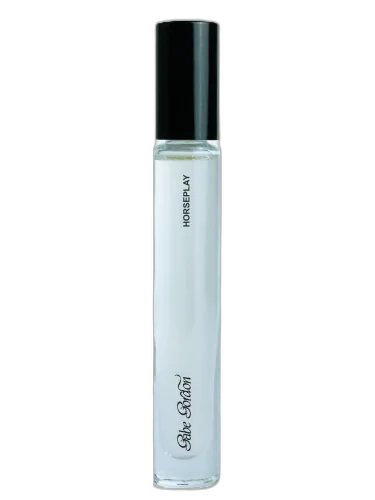
Gabe Gordon
Horseplay Gabe Gordon
Shared top notes: hay, leather
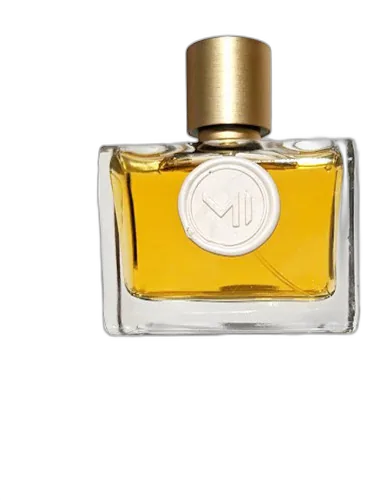
Maison Incens
Musc Dahabii Maison Incens
Shared top notes: lemon