
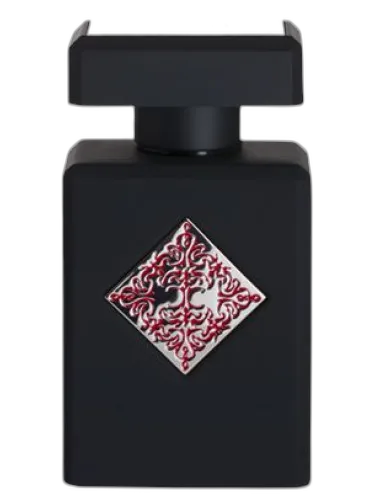

Blessed Baraka Initio Parfums Prives
At a glance
Is Blessed Baraka Initio Parfums Prives worth trying?
Blessed Baraka by Initio Parfums Prives is a Oriental fragrance for women and men.
- Best match
- Evening wear in Winter
- Performance feel
- Excellent longevity with Strong sillage
- Signature profile
- powdery, amber, woody with Amber, Sandalwood, Musk
The first impression
Blessed Baraka by Initio Parfums Prives is a Oriental fragrance for women and men. Blessed Baraka was launched in 2015. The nose behind this fragrance is Alberto Morillas.
What shapes the scent
The perfumer behind it

Alberto Morillas
Alberto Morillas is a master perfumer based in Geneva, Switzerland, and a longtime collaborator with Firmenich. His style is known for refined, luminous compositions that balance natural elegance with modern clarity. He created the bold leather and spice of Amouage Opus VII - Reckless Leather, the fresh citrus depth of Acqua di Parma Colonia Intensa, and the woody warmth of Aedes de Venustas Palissandre D'or. His work has shaped contemporary perfumery across both niche and luxury houses.
Notes pyramid
All Notes
Complete scent profile
 Amber
Amber
 Sandalwood
 Musk
Musk
 Vanilla
 White Flowers
The mood it creates
The Alchemist Archetype: Portrait of Blessed Baraka Initio Parfums Prives
Essence
The person who chooses Blessed Baraka by Initio Parfums Prives is an Alchemist-one who seeks transformation, depth, and the sacred within the mundane. This fragrance, with its rich blend of amber, vanilla, and incense, evokes a sense of ritual, warmth, and hidden knowledge. The Alchemist is not merely a dreamer but a seeker, one who believes in the transmutation of experience into wisdom, of pain into power. They are drawn to the mystical, the sensual, and the profound, yet they are grounded in a quiet confidence that does not need to announce itself.
Style & Aesthetic
The Alchemist dresses in layers-both literal and metaphorical. Their wardrobe is a curated blend of timeless elegance and subtle eccentricity: tailored wool coats, worn-in leather boots, perhaps a single piece of antique jewelry with an untold history. They favor textures that tell a story-cashmere that softens with time, linen that wrinkles just so.
Their home is a sanctuary, filled with objects of resonance: rare books, handcrafted ceramics, incense burners that have darkened with use. They do not decorate for trends but for atmosphere, creating spaces that feel lived-in yet intentional, like a temple where every item has been placed with purpose.
Their days are structured yet fluid, balancing ritual with spontaneity. They may begin mornings with meditation or a slow, deliberate coffee ritual, savoring each sip as if it were a sacrament. They are drawn to craftsmanship-whether in writing, cooking, or music-preferring the weight of a fountain pen to the sterility of a keyboard, the crackle of a vinyl record to the flatness of digital sound.
But their reverence for depth can become a form of escapism. They may romanticize solitude to the point of self-exile, mistaking isolation for enlightenment. Their pursuit of the extraordinary can blind them to the beauty in the ordinary-the laughter of a child, the simplicity of a shared meal.
Philosophy & Values
To the Alchemist, life is an experiment-an ongoing refinement of self and perception. They do not accept surface truths; they dig, question, and synthesize. Their philosophy is one of sacred materialism-finding the divine in the tangible, whether in the texture of aged leather, the flicker of candlelight, or the slow burn of a well-aged whiskey. They value authenticity above all, despising pretense and empty gestures.
Yet, their search for meaning can sometimes become a form of spiritual materialism-a trap where the pursuit of wisdom becomes its own vanity. They may disdain those who do not share their depth, forgetting that not all truths need to be unearthed with the same fervor.
Relationships
The Alchemist does not collect friends; they cultivate kindred spirits. Their relationships are deep but few, built on mutual understanding rather than convenience. They are drawn to those who challenge them intellectually or emotionally, who can match their intensity without being consumed by it.
Yet, their shadow emerges in their impatience with superficiality. They may withdraw from those they deem "unawakened," isolating themselves in their own wisdom. Their love is fierce but demanding-they expect their partners to evolve alongside them, sometimes forgetting that growth is not always linear.
Shadow
The Alchemist’s greatest strength-their relentless pursuit of transformation-is also their greatest peril. When unbalanced, they may become the Hermit, retreating too far into their own world, or the Charlatan, using esoteric knowledge as a shield against vulnerability. Their disdain for the superficial can harden into elitism, and their quest for meaning can devolve into existential restlessness-never satisfied, always searching.
Yet, when integrated, their shadow teaches them humility. They learn that wisdom is not hoarded but shared, that the sacred exists not only in rare moments but in the breath between words.
Conclusion
To wear Blessed Baraka is to embrace the paradox of fire and stillness, of seeking and surrender. The Alchemist is neither saint nor cynic-they are a living crucible, turning experience into gold, yet always aware that even gold must sometimes be melted down again. Their life is not one of answers but of better questions, and in that endless inquiry, they find their truest self.
If you like this, try these
Fragrances with a comparable profile - shared accords, notes, and character.
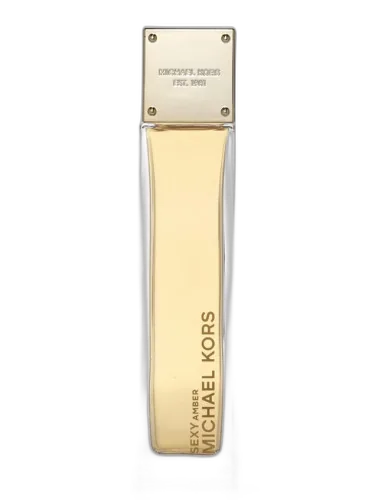
Michael Kors
Sexy Amber Michael Kors
Shared top notes: amber, sandalwood, white flowers
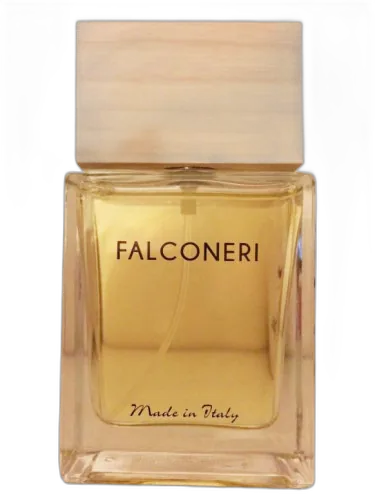
Falconeri
Ambra Falconeri
Shared top notes: amber, musk, sandalwood
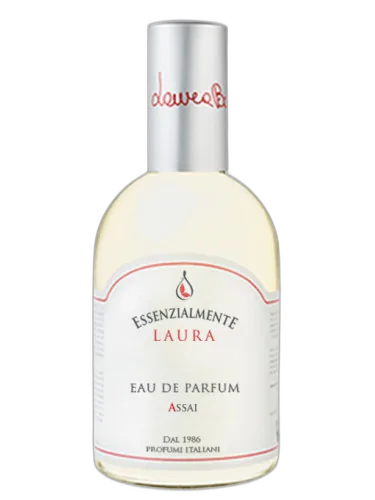
Essenzialmente Laura
Assai Essenzialmente Laura
Shared top notes: amber, musk

Scent by Alexis
White Sable Scent By Alexis
Shared top notes: amber, musk, vanilla
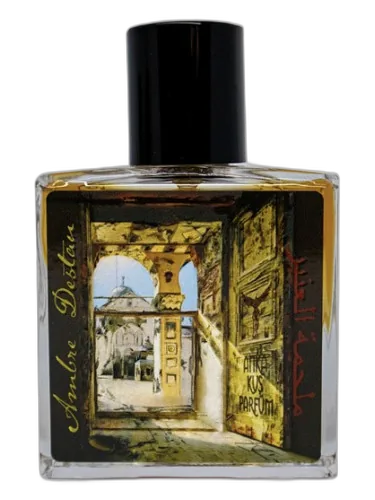
Anka Kuş Parfüm
Ambre Destan Anka Kuş Parfüm
Shared top notes: amber, sandalwood, vanilla