
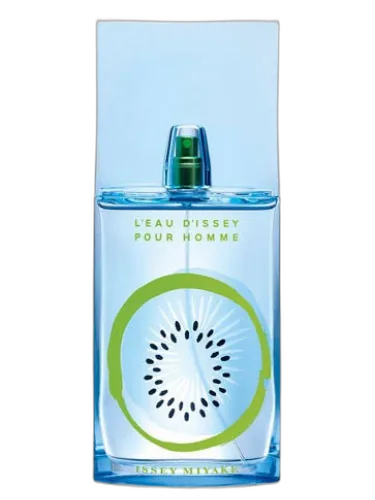

L'eau D'issey Pour Homme Summer 2013 Issey Miyake
At a glance
Is L'eau D'issey Pour Homme Summer 2013 Issey Miyake worth trying?
L'Eau d'Issey Pour Homme Summer 2013 by Issey Miyake is a Aromatic Fruity fragrance for men.
- Best match
- Casual wear in Summer
- Performance feel
- Moderate longevity with Moderate sillage
- Signature profile
- fruity, aromatic, citrus with Grapefruit, Kiwi, Coriander
The first impression
L'Eau d'Issey Pour Homme Summer 2013 by Issey Miyake is a Aromatic Fruity fragrance for men. L'Eau d'Issey Pour Homme Summer 2013 was launched in 2013. The nose behind this fragrance is Alberto Morillas. Top notes are Grapefruit, Kiwi and Coriander; middle notes are Pineapple and Nutmeg; base notes are Cypress and Vetiver.
What shapes the scent
The perfumer behind it

Alberto Morillas
Alberto Morillas is a master perfumer based in Geneva, Switzerland, and a longtime collaborator with Firmenich. His style is known for refined, luminous compositions that balance natural elegance with modern clarity. He created the bold leather and spice of Amouage Opus VII - Reckless Leather, the fresh citrus depth of Acqua di Parma Colonia Intensa, and the woody warmth of Aedes de Venustas Palissandre D'or. His work has shaped contemporary perfumery across both niche and luxury houses.
Notes pyramid
Top Notes
First impression · 15-30 min
 Grapefruit
 Kiwi
Kiwi
 Coriander
Heart Notes
Core character · 2-4 hours
 Pineapple
 Nutmeg
Base Notes
Lasting impression · 4+ hours
 Cypress
 Vetiver
The mood it creates
The Lover Archetype: Portrait of L'eau D'issey Pour Homme Summer 2013 Issey Miyake
Essence
This man is defined by the Explorer archetype-a seeker of freshness, clarity, and the sublime. The scent of L’eau D’issey Pour Homme Summer 2013-crisp citrus, aquatic notes, and a whisper of spice-mirrors his essence. He is drawn to the horizon, to the spaces where air meets water, where light refracts into something new. The Explorer is not a conqueror but a wanderer, one who values discovery over possession, sensation over dogma.
Yet, like all archetypes, the Explorer has a shadow. His pursuit of the new can become restless evasion; his love of freedom may drift into rootlessness. He is not immune to the melancholy of transience, the quiet ache of always being on the way rather than arrived.
Relationships
In love, he is passionate but elusive. He seeks partners who understand his need for space, who do not mistake his silences for indifference. He is not cold-far from it-but he fears stagnation, the slow death of routine. His relationships thrive on spontaneity: unexpected trips, late-night conversations, the thrill of mutual discovery.
Yet his shadow emerges here. His fear of confinement can make him withdraw just as intimacy deepens. He may leave lovers wondering if they ever truly knew him, if he was ever fully present.
Shadow
His greatest strength-his love of freedom-is also his flaw. He risks becoming a man who experiences much but commits to little. The world is his to taste, but he may forget to digest. There are times when he tires of his own restlessness, when he longs for something solid, something that lasts. But the horizon always calls, and he answers.
Conclusion
His tastes are refined but never heavy. He prefers minimalist design-clean lines, uncluttered spaces, the elegance of restraint. His wardrobe is a study in understatement: linen shirts, well-cut trousers, shoes that suggest movement rather than stasis. He admires Japanese aesthetics-wabi-sabi, the beauty of impermanence-and finds poetry in the way light filters through leaves or ripples across water.
Philosophically, he rejects rigid systems. He is drawn to thinkers like Camus, who embraced the absurd without despair, or Bashō, who wandered and wrote of fleeting moments. He believes life is best lived as an open question, not a closed answer.
If you like this, try these
Fragrances with a comparable profile - shared accords, notes, and character.
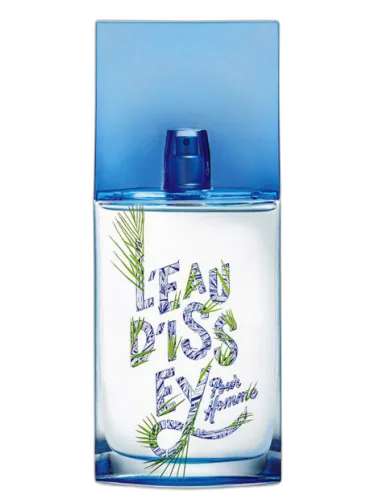
Issey Miyake
L'eau D'issey Pour Homme Summer 2018 Issey Miyake
Shared top notes: coriander, grapefruit, kiwi
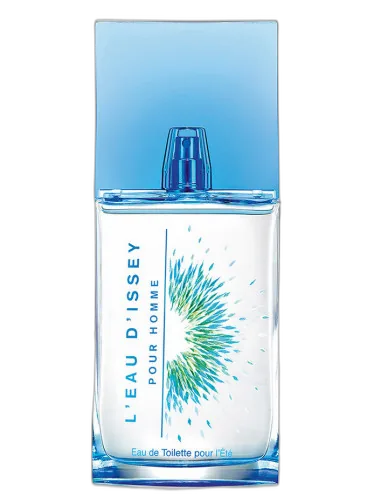
Issey Miyake
L'eau D'issey Pour Homme Summer 2016 Issey Miyake
Shared top notes: coriander, grapefruit, kiwi
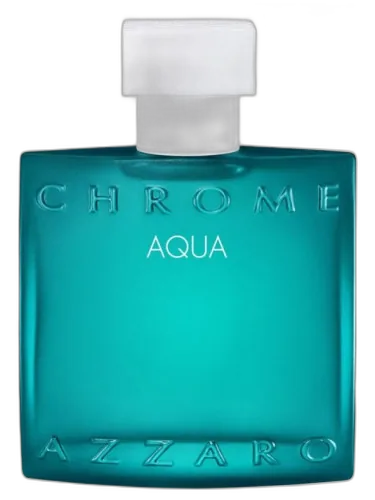
Azzaro
Azzaro Chrome Aqua Azzaro
Shared top notes: grapefruit

Lacoste Fragrances
Eau De Lacoste L.12.12 Yellow (jaune) Lacoste Fragrances
Shared top notes: grapefruit
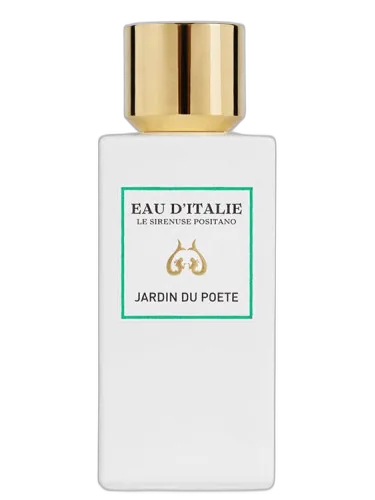
Eau D'Italie
Jardin Du Poete Eau D'italie
Shared top notes: grapefruit