


L'eau D'issey Pure Shade Of Flower Issey Miyake
Fragrance Story
L'Eau d'Issey Pure Shade of Flower by Issey Miyake is a Floral Fruity fragrance for women. L'Eau d'Issey Pure Shade of Flower was launched in 2019. The nose behind this fragrance is Aurélien Guichard. Top notes are Black Currant, Rose and Lemon; middle notes are Hibiscus, Raspberry Bloom and Freesia; base notes are White Musk and Sandalwood.
Composition Profile
About the Perfumer

Aurélien Guichard
Aurélien Guichard is a French perfumer and the creative director of Givaudan's prestigious Fragrance Division, known for his deep expertise in natural ingredients. His style balances modern minimalism with rich, textured accords, often highlighting woody, aromatic, or green notes with unexpected contrasts. He created the iconic Bond No 9 Chinatown, a bold floral gourmand, and the crisp, verdant Azzaro Aqua Verde, demonstrating his range from opulent to fresh. Guichard's work has helped define contemporary luxury perfumery through its refined yet accessible character.
Fragrance Notes
Top Notes
First impression · 15-30 min
 Black Currant
 Rose
Rose
 Lemon
Lemon
Heart Notes
Core character · 2-4 hours
 Hibiscus
 Raspberry Bloom
 Freesia
Base Notes
Lasting impression · 4+ hours
White Musk
 Sandalwood
L'eau D'issey Pure Shade Of Flower Issey Miyake by Issey Miyake offers a distinctive olfactory experience that stands out from other fragrances in its category.
Crafted with the finest ingredients and a blend of traditional and modern perfumery techniques, this fragrance represents the pinnacle of the perfumer's art.
L'eau D'issey Pure Shade Of Flower Issey Miyake embodies the distinctive style of Issey Miyake while adding a unique chapter to their fragrance portfolio.
Character Profile
The Archetype Archetype: Portrait of L'eau D'issey Pure Shade Of Flower Issey Miyake
Essence
The person who gravitates toward L’Eau d’Issey Pure Shade of Flower is, at their core, an embodiment of The Innocent-an archetype that seeks purity, harmony, and an unspoiled vision of life. Like the fragrance itself-a delicate interplay of white flowers, green leaves, and a whisper of citrus-they are drawn to lightness, simplicity, and the quiet beauty of the natural world. Yet beneath this seemingly untroubled surface lies a tension: the fragility of idealism when confronted with reality.
Shadow
Yet the Innocent’s purity is also their vulnerability. Their avoidance of darkness-both in themselves and in the world-can make them naive. They may refuse to acknowledge conflict, smoothing over problems with optimism rather than confronting them. This can lead to repressed resentment, a quiet martyrdom where they suffer in silence rather than admit imperfection.
Their idealism can also make them passive. They may wait for life to unfold naturally, avoiding decisive action, hoping that things will simply "work out." When reality inevitably disappoints-when love fades, when friends betray, when the world proves cruel-they may retreat further into their dreamlike state, refusing to adapt.
They are not unaware of their own fragility. At times, they may catch their reflection and see not the serene idealist but someone afraid of life’s messiness. This self-awareness, when embraced, can be their redemption. If they learn to accept that purity does not mean absence of darkness but balance, they become not just dreamers but wise custodians of beauty.
They will always prefer the soft glow of morning to the harsh noon sun. But perhaps, in time, they will learn that even shadows have their place in the garden.
Conclusion
Their world is one of curated serenity. They prefer muted colors-soft whites, pale greens, the faint blush of dawn-and their surroundings reflect an almost monastic devotion to simplicity. Their home is airy, uncluttered, with fresh flowers always in a vase, as if they are trying to preserve a moment of fleeting beauty. They move through life with a quiet grace, avoiding harshness, preferring the gentle over the grandiose.
Their taste in art, music, and literature leans toward the impressionistic-works that evoke rather than declare, that leave room for interpretation. They might admire the watercolors of Monet, the ambient compositions of Erik Satie, or the poetry of Rilke-anything that captures the ephemeral.
Philosophically, they are drawn to ideas of harmony and unity. They may find solace in Zen Buddhism, in the Stoic acceptance of nature’s flow, or in the Romantic notion that beauty is truth. They do not seek to dominate life but to merge with it, to become part of its quiet rhythm.
Similar Fragrances
Fragrances with a comparable profile - shared accords, notes, and character.

Maison Alhambra
Coastal Pour Femme Maison Alhambra
Shared accords: floral, fresh spicy, musky
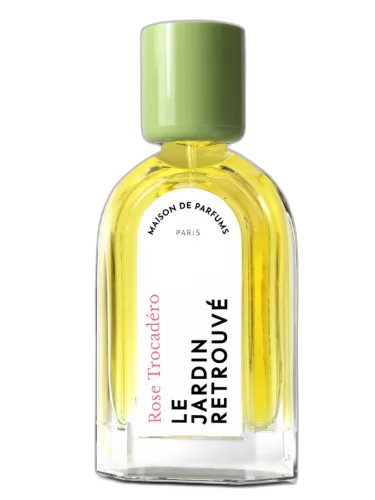
Le Jardin Retrouve
Rose Trocadéro Le Jardin Retrouve
Shared accords: floral, fresh spicy, musky

Cuarzo The Circle
Emerald Cuarzo The Circle
Shared accords: floral, fresh spicy, musky
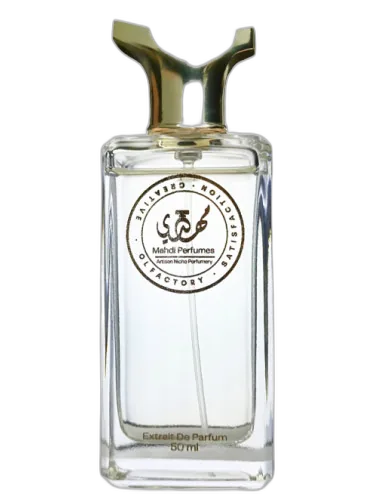
Mahdi Perfumes
Musk E Zahrah Mahdi Perfumes
Shared accords: floral, fruity, musky
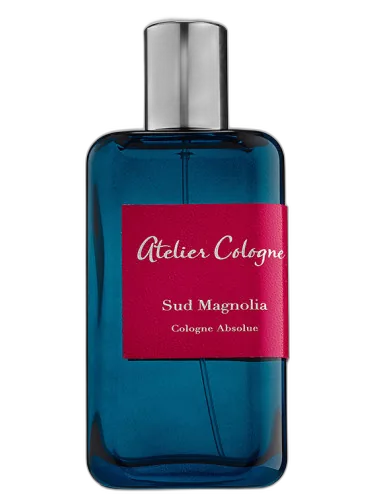
Atelier Cologne
Sud Magnolia Atelier Cologne
Shared accords: floral, fruity, musky