
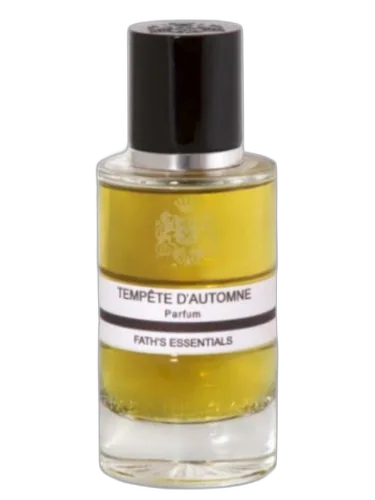

Tempête D’automne Jacques Fath
Fragrance Story
Tempête d’Automne by Jacques Fath is a fragrance for women and men. Tempête d’Automne was launched in 2018. The nose behind this fragrance is Cécile Zarokian. Top notes are Orange, Mandarin Orange, Pink Pepper and Bergamot; middle notes are Cinnamon, Coriander, Lavender, Ylang-Ylang and White Flowers; base notes are Sandalwood, Milk, Tonka Bean, Leather and Musk.
Composition Profile
About the Perfumer

Cécile Zarokian
Cécile Zarokian is a perfumer who has created numerous fragrances for Amouage. Her works include Epic 56 Woman Amouage, Leather Sadah Amouage, Material Amouage, and Opus Xiii - Silver Oud Amouage. She also crafted Opus Xiv - Royal Tobacco Amouage, Oud Ulya Amouage, Outlands Amouage, and Rose Aqor Amouage. Her portfolio showcases a range of luxurious and complex compositions.
Fragrance Notes
Top Notes
First impression · 15-30 min
 Orange
 Mandarin Orange
 Pink Pepper
 Bergamot
Heart Notes
Core character · 2-4 hours
 Cinnamon
 Coriander
 Lavender
 Ylang-Ylang
 White Flowers
Base Notes
Lasting impression · 4+ hours
 Sandalwood
 Milk
Milk
 Tonka Bean
 Leather
 Musk
Musk
Character Profile
The Jacques Fath Devotee Archetype: Portrait of Tempête D’automne Jacques Fath
Essence
The one who wears Tempête D’automne is ruled by the Romantic archetype, though not in the trivial sense of mere sentimentality. Their romance is of the soul-an insatiable longing for beauty, depth, and transformation. Like the fragrance itself-a storm of autumn leaves, damp earth, and smoky warmth-they embody the tension between melancholy and passion, decay and renewal. They are drawn to the fleeting, the poetic, the moments that shimmer just before vanishing.
This archetype is not passive; it is a force. The Romantic does not merely observe beauty-they seek to live within it, to be consumed by it. Their life is an aesthetic pursuit, a refusal to accept the mundane as inevitable.
Philosophy & Values
They do not fear endings; they are fascinated by them. Autumn is their season-not for its coziness, but for its raw honesty. They understand that decay is part of beauty, that love is most intense when it is haunted by the knowledge of loss.
Their philosophy is one of aesthetic fatalism-they believe life must be felt deeply, even if it wounds them. They reject the modern obsession with relentless optimism, finding more truth in Rilke’s "Beauty is nothing but the beginning of terror." They are drawn to thinkers who embrace contradiction-Nietzsche’s Dionysian ecstasy, Camus’s absurd heroism, the quiet despair of Virginia Woolf.
Relationships
They do not love lightly. Their relationships are intense, poetic, sometimes turbulent. They crave connection that feels like a shared secret, a bond woven from whispered confessions and midnight conversations. They are drawn to people who carry their own storms-the brooding artist, the melancholic musician, the philosopher who stares too long into the abyss.
But their shadow emerges here. Their idealism can turn love into a performance, an expectation of grand gestures and eternal passion. When reality fails to match their vision, they may withdraw, becoming cold or distant. Their partners may feel like characters in a story they did not consent to star in.
Shadow
Every Romantic risks becoming a prisoner of their own intensity. When their hunger for beauty curdles into disdain for the ordinary, they grow bitter. They may scorn those who live simply, dismissing them as shallow. Their sensitivity, once a gift, can become a weapon-they wield their emotions like a blade, cutting others for failing to meet their standards.
Worse, they may romanticize their own suffering, mistaking drama for depth. They might linger in unhealthy relationships, addicted to the poetry of heartbreak. Or they may isolate themselves, believing no one could possibly understand them.
Conclusion
Their tastes are deliberate, almost ritualistic. They prefer the richness of textures-wool that carries the scent of rain, leather-bound books with yellowed pages, the weight of silver jewelry against skin. Their home is a sanctuary of shadows and candlelight, where every object holds meaning. They collect things not for their utility, but for their aura-antique perfume bottles, handwritten letters, dried flowers pressed between the pages of novels.
Music is never background noise; it is an experience. They lose themselves in Chopin’s nocturnes, the mournful wail of a cello, or the whispered poetry of Leonard Cohen. Their wardrobe leans toward the dramatic-deep burgundies, charcoal grays, the occasional flourish of velvet. They dress not for others, but for the private theater of their own soul.
Similar Fragrances
Fragrances with a comparable profile - shared accords, notes, and character.

House of Dastan
You? House Of Dastan
Shared accords: aromatic, cinnamon, citrus

Bath & Body Works
Gingerbread Latte Bath & Body Works
Shared accords: cinnamon, citrus, lactonic
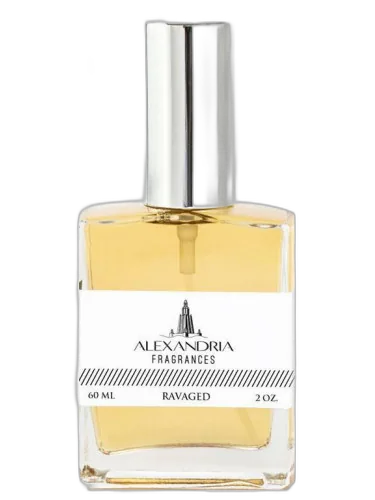
Alexandria Fragrances
Ravaged Alexandria Fragrances
Shared accords: aromatic, cinnamon, citrus
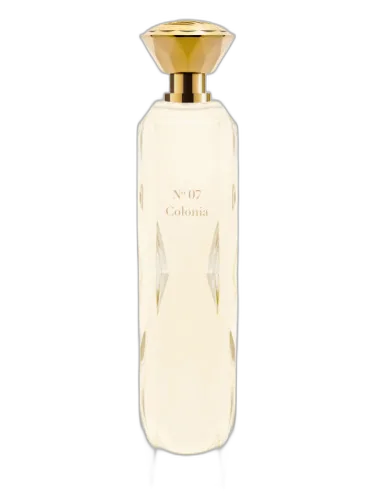
Mauzan
Colonia No07 Mauzan
Shared accords: aromatic, cinnamon, citrus
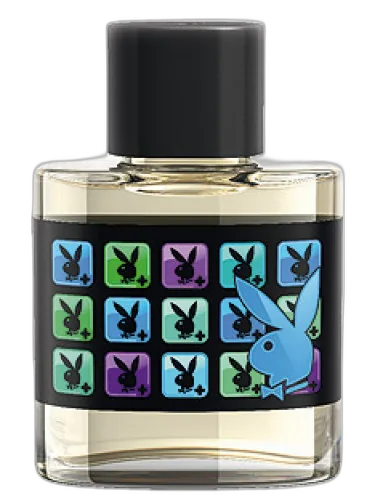
Playboy
Playboy #generation For Him Playboy
Shared accords: aromatic, cinnamon, leather