

Vers Le Sud Jacques Fath
At a glance
Is Vers Le Sud Jacques Fath worth trying?
Vers Le Sud by Jacques Fath is a fragrance for women and men.
- Best match
- Casual wear in Spring, Summer
- Performance feel
- Moderate longevity with Moderate sillage
- Signature profile
- green, aromatic, marine with Argentinian Lemon, Green Notes, Lavender
The first impression
Vers Le Sud by Jacques Fath is a fragrance for women and men. Vers Le Sud was launched in 2015. The nose behind this fragrance is Cécile Zarokian. Top notes are Argentinian Lemon, Green Notes and Lavender; middle notes are Sea Notes, Fig Leaf, Violet and Flowers; base notes are Oakmoss, Woody Notes and Musk.
What shapes the scent
The perfumer behind it

Cécile Zarokian
Cécile Zarokian is a perfumer who has created numerous fragrances for Amouage. Her works include Epic 56 Woman Amouage, Leather Sadah Amouage, Material Amouage, and Opus Xiii - Silver Oud Amouage. She also crafted Opus Xiv - Royal Tobacco Amouage, Oud Ulya Amouage, Outlands Amouage, and Rose Aqor Amouage. Her portfolio showcases a range of luxurious and complex compositions.
Notes pyramid
Top Notes
First impression · 15-30 min
Argentinian Lemon
 Green Notes
 Lavender
Heart Notes
Core character · 2-4 hours
Sea Notes
 Fig Leaf
 Violet
Flowers
Violet
Flowers
Base Notes
Lasting impression · 4+ hours
 Oakmoss
 Woody Notes
 Musk
Musk
The mood it creates
The Wanderer Archetype: Portrait of Vers Le Sud Jacques Fath
Essence
To wear Vers Le Sud by Jacques Fath is to embrace the warmth of distant shores, the salt-kissed breeze of the Mediterranean, and the quiet thrill of uncharted paths. This fragrance-luminous, citrus-laden, yet anchored in woody depth-belongs to one who is not merely a traveler in body, but in spirit. Their archetype is unmistakable: The Explorer.
Shadow
Yet, like all archetypes, the Explorer has a shadow. Their relentless pursuit of the new can become rootlessness, a refusal to commit-to places, to people, to anything that might tether them. They mistake movement for growth, and in their avoidance of stillness, they may never truly know themselves.
Their independence can curdle into emotional detachment. They love deeply, but fleetingly, always with one eye on the horizon. They may leave behind wounded hearts, not out of malice, but because they cannot bear the weight of expectation.
Conclusion
This person is drawn to the horizon not out of restlessness, but out of a conviction that life’s meaning is found in motion. They are the one who plans trips on a whim, who lingers in foreign cafés with a notebook, who collects experiences like others collect possessions. Their philosophy is simple: To stand still is to stagnate. They believe in the transformative power of new landscapes, new faces, new ideas.
Their style is effortless-linen shirts, sun-bleached fabrics, leather sandals worn from wandering. They prefer the patina of use over the sterility of the untouched. Their home, if they have one at all, is filled with artifacts of their journeys: a seashell from Crete, a faded map of Provence, a bottle of wine from a vineyard they stumbled upon. They are not materialistic, but they are deeply sensual-every object carries a memory, a scent, a texture that ties them to a moment.
If you like this, try these
Fragrances with a comparable profile - shared accords, notes, and character.

Bahoma London
Ocean Spa Bahoma London
Shared top notes: green notes

Bruno Acampora
Mentuccia Romana – Eau De Parfum Bruno Acampora
Shared base notes: musk, oakmoss, woody notes
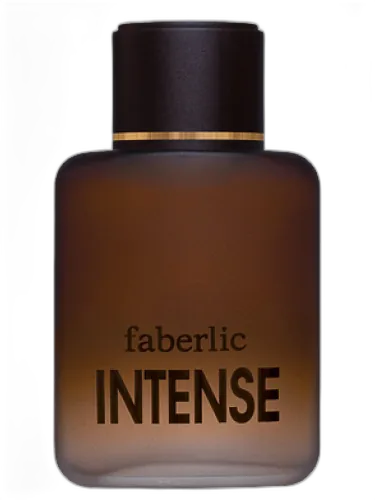
Faberlic
Intense Faberlic
Shared top notes: green notes

PerfumeCraft
Kaszebsczi Mech Perfumecraft
Shared base notes: musk, oakmoss, woody notes
Adopt Parfums
Wild Musk Adopt Parfums
Shared top notes: lavender