
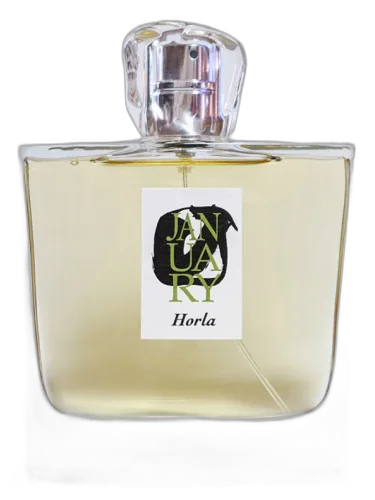

Horla January Scent Project
At a glance
Is Horla January Scent Project worth trying?
Horla by January Scent Project is a Oriental Spicy fragrance for women and men.
- Best match
- Evening wear in Winter
- Performance feel
- Very Good longevity with Moderate sillage
- Signature profile
- woody, fresh spicy, sweet with Aldehydes, Bergamot, Ylang-Ylang
The first impression
Horla by January Scent Project is a Oriental Spicy fragrance for women and men. Horla was launched in 2020. The nose behind this fragrance is John Biebel. Top notes are Aldehydes and Bergamot; middle notes are Ylang-Ylang, Milk, West Indian Bay, Almond, Indonesian Nutmeg, Viburnum and Ho Wood; base notes are Vanilla, Civet, Sandalwood, Coumarin, Vetiver, Styrax, Coffee and Patchouli.
What shapes the scent
The perfumer behind it

John Biebel
John Biebel is a perfumer known for his work with January Scent Project, creating fragrances such as Attaupe, Burvuvu, and Eiderantler, as well as Black Walnut for American Perfumer. His portfolio includes a wide range of experimental and nature-inspired scents. Biebel's compositions often feature unusual combinations and textural depth.
Notes pyramid
Top Notes
First impression · 15-30 min
 Aldehydes
 Bergamot
Heart Notes
Core character · 2-4 hours
 Ylang-Ylang
 Milk
Milk
 West Indian Bay
 Almond
 Indonesian Nutmeg
 Viburnum
 Ho Wood
Base Notes
Lasting impression · 4+ hours
 Vanilla
 Civet
Civet
 Sandalwood
 Coumarin
 Vetiver
 Styrax
 Coffee
 Patchouli
The mood it creates
The Horla January Enthusiast Archetype: Portrait of Horla January Scent Project
Essence
This person is most closely aligned with The Sage-a seeker of truth, a wanderer through the inner and outer landscapes of meaning. The Sage does not merely accumulate knowledge but distills it into wisdom, often through solitude and contemplation. The fragrance Horla January-cool, introspective, with its haunting blend of juniper, pine, and distant smoke-mirrors their essence. It is not a scent for those who crave warmth and comfort; it is for those who find beauty in the quiet, the unresolved, the spaces between thoughts.
Philosophy & Values
Their philosophy is one of relentless inquiry. They do not believe in easy answers, only better questions. They are drawn to writers like Nietzsche, Borges, and Clarice Lispector-thinkers who embrace paradox, who dance on the edge of meaning without falling into dogma. They value independence above all, seeing conformity as a kind of spiritual death.
Yet this very independence can become its own prison. Their refusal to settle on certainty can leave them adrift, mistaking skepticism for wisdom. They may disdain those who find solace in simple truths, forgetting that not all who seek warmth are weak.
Shadow
The Sage’s greatest strength-their love of solitude-is also their greatest flaw. They can become lost in their own mind, mistaking introspection for action. Their disdain for the mundane may blind them to the beauty of ordinary life. They may grow impatient with those who do not share their depth, dismissing emotion as sentimentality.
At their worst, they become the Recluse, withdrawing so far into their own world that they forget how to return. Their relationships suffer; their insights grow brittle without the friction of opposing views. They may even come to resent those who demand their presence, seeing love as a distraction rather than a necessity.
Conclusion
Their style is understated yet deliberate-layers of muted tones, textures that suggest depth rather than announce it. They favor wool over silk, matte over gloss, asymmetry over perfect symmetry. Their home is sparse but not sterile; every object has been chosen with care, as though each carries a silent story. Books line the shelves, but not as trophies-they are well-worn, annotated, companions in an ongoing dialogue with the unknown.
They move through the world with a quiet intensity, often mistaken for aloofness. Their relationships are few but profound, built on shared intellectual curiosity rather than mere affection. They are the confidant who listens deeply, offering not comfort but perspective. Yet their detachment can sometimes wound; their love of ideas can eclipse their love of people.
If you like this, try these
Fragrances with a comparable profile - shared accords, notes, and character.

Tauer Perfumes
14 Noontide Petals Tauer Perfumes
Shared top notes: aldehydes, bergamot
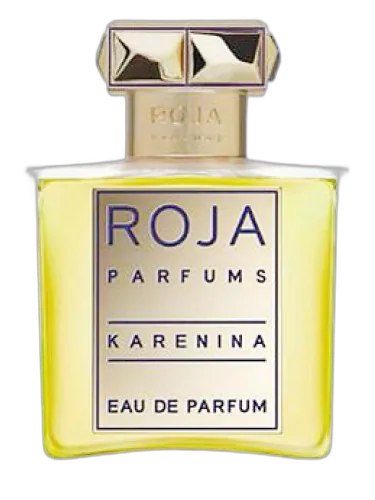
Roja Dove
Karenina Roja Dove
Shared top notes: aldehydes, bergamot
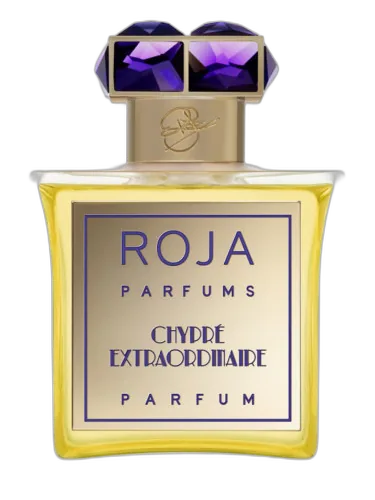
Roja Dove
Chypré Extraordinaire Roja Dove
Shared top notes: aldehydes, bergamot
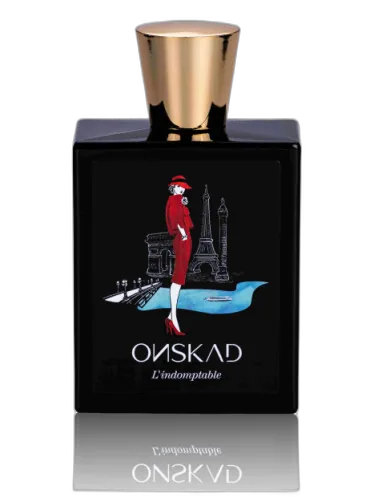
Onskad
L'indomptable Onskad
Shared top notes: aldehydes, bergamot
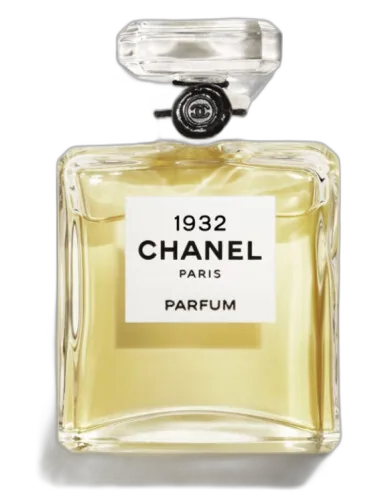
Chanel
Les Exclusifs De Chanel 1932 Parfum Chanel
Shared top notes: aldehydes, bergamot