
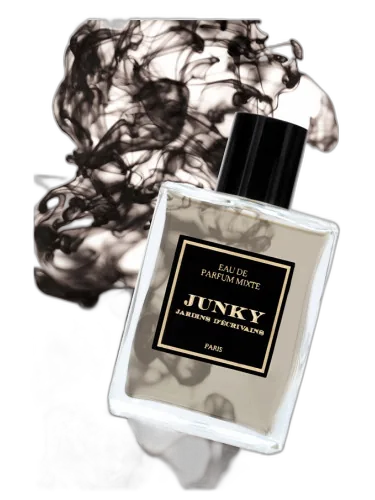

Junky Jardins D’ecrivains
At a glance
Is Junky Jardins D’ecrivains worth trying?
Junky by Jardins d’Ecrivains is a Oriental Woody fragrance for women and men.
- Best match
- Evening wear in Fall
- Zodiac
- Best for Libra
- Performance feel
- Good longevity with Moderate sillage
- Signature profile
- aromatic, woody, powdery with cannabis, Galbanum, Palisander Rosewood
The first impression
Junky by Jardins d’Ecrivains is a Oriental Woody fragrance for women and men. Junky was launched in 2014. The nose behind this fragrance is Anais Biguine. Top notes are cannabis, Galbanum and Palisander Rosewood; middle notes are Iris, Gardenia and Violet; base notes are Moss, Incense, Cashmeran, Juniper, Myrtle, Vetiver and Cedar.
What shapes the scent
The perfumer behind it

Anais Biguine
Anais Biguine is a French perfumer known for her work with independent niche houses such as Chapel Factory, Gri Gri Parfums, and Jardins d’Ecrivains. Her style often blends raw, smoky, or incense-like accords with unexpected gourmand or floral touches, as seen in creations like Chapel Factory’s Baptisma and Gri Gri Parfums’ Moko Maori. She is recognized for crafting evocative, narrative-driven scents that balance darkness with subtle sweetness.
Notes pyramid
Top Notes
First impression · 15-30 min
 cannabis
 Galbanum
 Palisander Rosewood
Heart Notes
Core character · 2-4 hours
 Iris
Iris
 Gardenia
 Violet
Base Notes
Lasting impression · 4+ hours
 Moss
Moss
 Incense
 Cashmeran
 Juniper
 Myrtle
 Vetiver
 Cedar
Cedar
The mood it creates
The Alchemist Archetype: Portrait of Junky Jardins D’ecrivains
Essence
To wear Junky Jardins by Jardins d’Écrivains is to embrace contradiction-a fragrance that mingles the lush with the decayed, the poetic with the profane. This is not a scent for those who seek harmony; it is for those who find beauty in the tension between opposites. The person who cherishes this fragrance is an Alchemist, one who transforms the base into the sublime, who sees the world not as it is but as it could be.
Shadow
Yet, the Alchemist is not without their darkness. Their fascination with decay can tip into self-destruction. They may romanticize suffering, mistaking pain for profundity. Their disdain for convention can harden into cynicism, isolating them from those who do not share their vision.
In relationships, their intensity can become possessive or erratic. They may demand too much of others, expecting them to match their own relentless depth. Their refusal to conform can sometimes be less a rebellion than a fear of ordinariness-a shadow of insecurity disguised as defiance.
Conclusion
Their mind is a crucible where ideas ferment. They are drawn to the unconventional, the esoteric, the things that others dismiss as too strange or too raw. Junky Jardins-with its interplay of green leaves, damp earth, and the faint metallic tang of something forgotten-resonates with them because it mirrors their inner landscape. They do not shy away from the grotesque; they find meaning in it.
Their tastes are eclectic but deliberate. They might collect vintage typewriters, obscure poetry, or dried botanicals pressed between the pages of secondhand books. Their wardrobe is a mix of textures-linen, wool, perhaps a hint of leather-always slightly disheveled, as if they have just returned from an expedition into the unknown. They prefer dimly lit cafés to bright, sterile spaces, places where the air hums with whispered conversations and the ghosts of old ideas.
Philosophically, they are drawn to thinkers who challenge norms-Nietzsche, Baudelaire, Bataille. They believe that truth is found in the margins, not the center. Their values are not rigid but fluid, shaped by experience rather than dogma. They prize authenticity above all else, though their definition of it is mutable.
If you like this, try these
Fragrances with a comparable profile - shared accords, notes, and character.
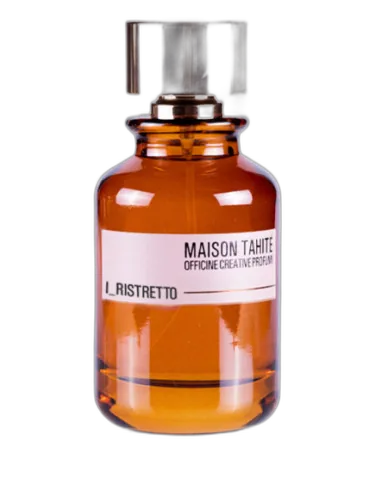
Maison Tahité – Officine Creative Profumi
I-ristretto Maison Tahité – Officine Creative Profumi
Shared heart notes: iris, violet
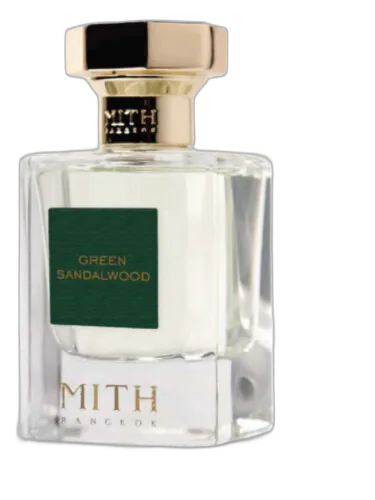
Mith
Green Sandalwood Mith
Shared heart notes: iris, violet

Nicolai Parfumeur Createur
Iris Medicis Intense Nicolai Parfumeur Createur
Shared top notes: galbanum
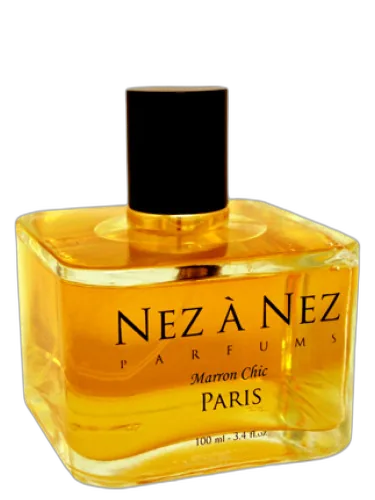
Nez a Nez
Marron Chic Nez A Nez
Shared heart notes: iris, violet
Catie's Bubbles
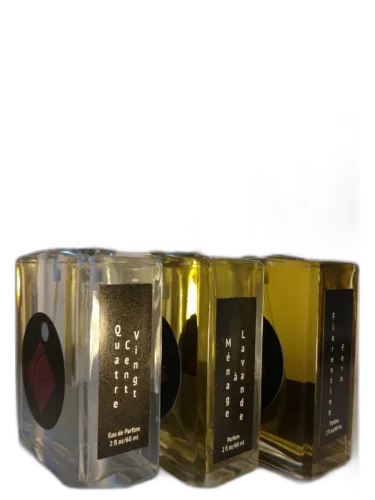
Quatre Cent Vingt Catie's Bubbles
Shared top notes: cannabis